.png)




Most ecommerce brands do not have a tool problem. They have a workflow problem. Ads live in one place, creative ideas in another, revenue data somewhere else and customer feedback gets buried in inboxes. The right agency tools solve that by turning growth into a repeatable operating system.
For entrepreneurs, especially in sports, fitness and wellness ecommerce, speed matters. Product trends move fast, paid media costs fluctuate and customers expect sharper storytelling than a generic discount code. Tools help, but only when each one supports a clear growth function: acquiring the right customer, converting more of the traffic you already pay for, increasing retention or improving decision-making.
If you are evaluating an agency partner, their tool stack can reveal how they think. A strong stack usually means structured testing, cleaner reporting and tighter collaboration between strategy, creative and media buying. A messy stack often leads to duplicated work and slow decisions. OPTYO has written more broadly about how an ecommerce agency helps brands scale efficiently, but this guide focuses on the practical agency tools behind that growth engine.
What makes an agency tool useful for ecommerce?
A useful tool does not just add another dashboard. It removes friction from a growth process that already matters.
For ecommerce teams, the best agency tools usually meet at least one of these criteria:
- They shorten the time between insight and action.
- They make performance easier to measure across channels.
- They help creative, media and lifecycle teams work from the same source of truth.
- They improve the quality of decisions without slowing execution.
- They create repeatable workflows that do not depend on one person remembering every detail.
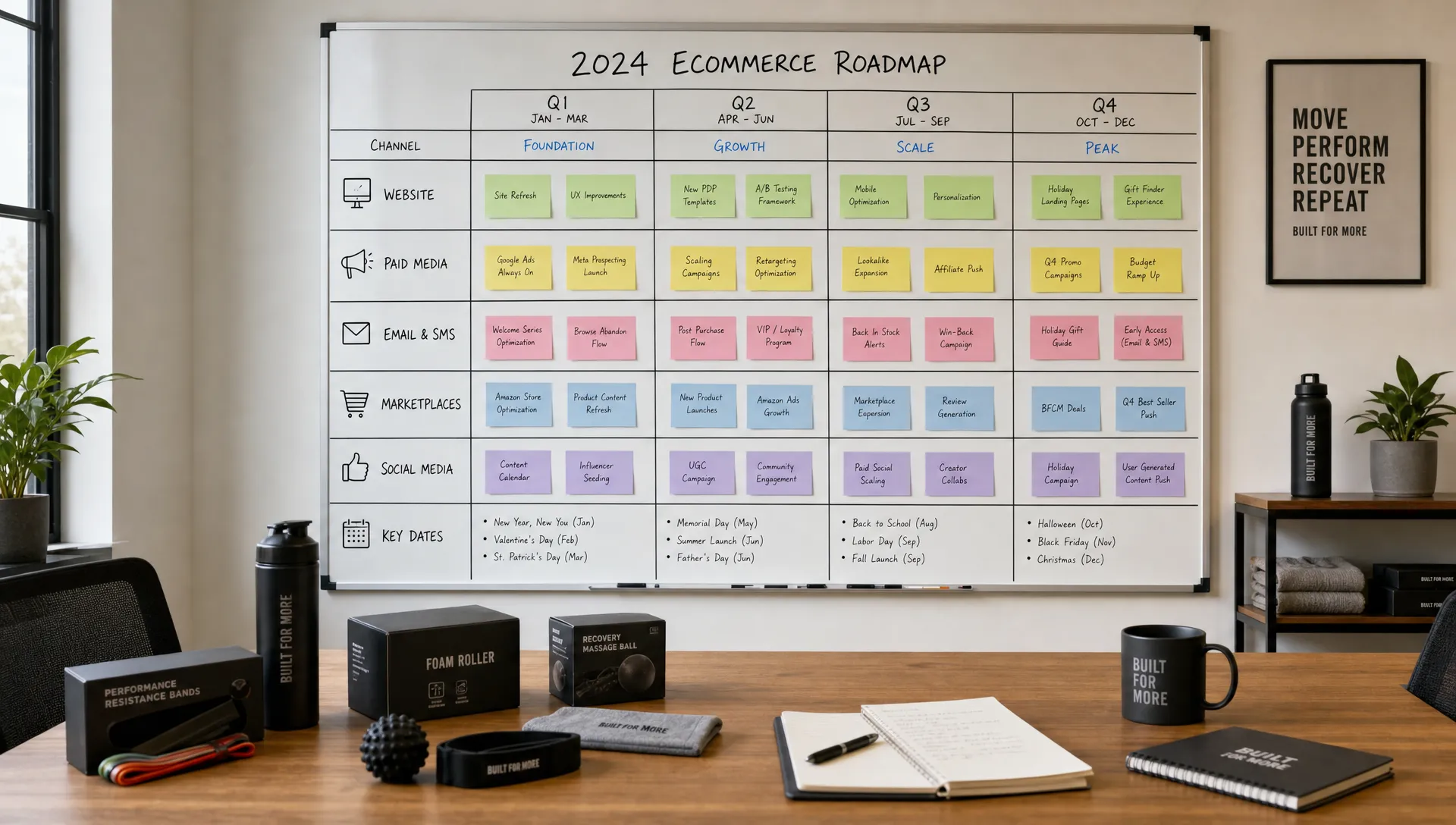
That last point matters more as you scale. A founder can manage early growth with a few spreadsheets and direct Slack messages. Once you are testing new offers, landing pages, ad angles, email flows and influencer assets at the same time, a system becomes necessary.
The goal is not to buy every popular platform. The goal is to build a lean stack where each tool has a clear role. Here are 10 categories worth understanding.
1. Project management tools for growth workflows
Project management software is the least glamorous part of the stack, but it is often the difference between consistent testing and scattered activity. Tools such as Asana, ClickUp, Monday.com or Notion help agencies map campaigns, assign ownership and track launch dates across creative, paid media, email and site updates.
For ecommerce growth, the project management system should not feel like a filing cabinet. It should show what is being tested, why it matters, what asset is needed, who owns the next step and when results will be reviewed.
This becomes critical when a brand is running multiple growth motions at once. A sports nutrition brand might be preparing a product launch, refreshing Meta creative, building an abandoned-cart test and negotiating athlete content in the same week. Without a clear workflow, teams spend too much time asking for status updates and not enough time improving performance.
The agency value is discipline. A good project management setup makes the testing calendar visible so entrepreneurs know what is moving, what is blocked and what will be learned next.
2. Analytics tools for a shared source of truth
Ecommerce teams need one place to understand what is actually happening. Shopify analytics, GA4, Triple Whale, Northbeam, Polar Analytics and similar tools help agencies connect revenue, traffic, conversion rate, average order value and channel performance.
The practical benefit is alignment. If the founder is looking at Shopify, the media buyer is looking at ad platform ROAS and the retention team is looking at email revenue, each person may come to a different conclusion. A shared analytics layer creates a common language.
This matters because ad platforms often over-credit themselves. A Meta dashboard might show strong return while blended revenue tells a less exciting story. A paid search campaign might look expensive until you notice it is capturing high-intent demand created by other channels. Analytics tools do not remove judgment, but they make the discussion more honest.
For entrepreneurs, the key is to look beyond surface metrics. A good agency tool setup should help answer questions like: Which products create first-purchase profitability? Which channels bring customers who buy again? Which landing pages are increasing conversion without hurting order value? Those answers guide budget decisions.
3. Customer research and feedback tools
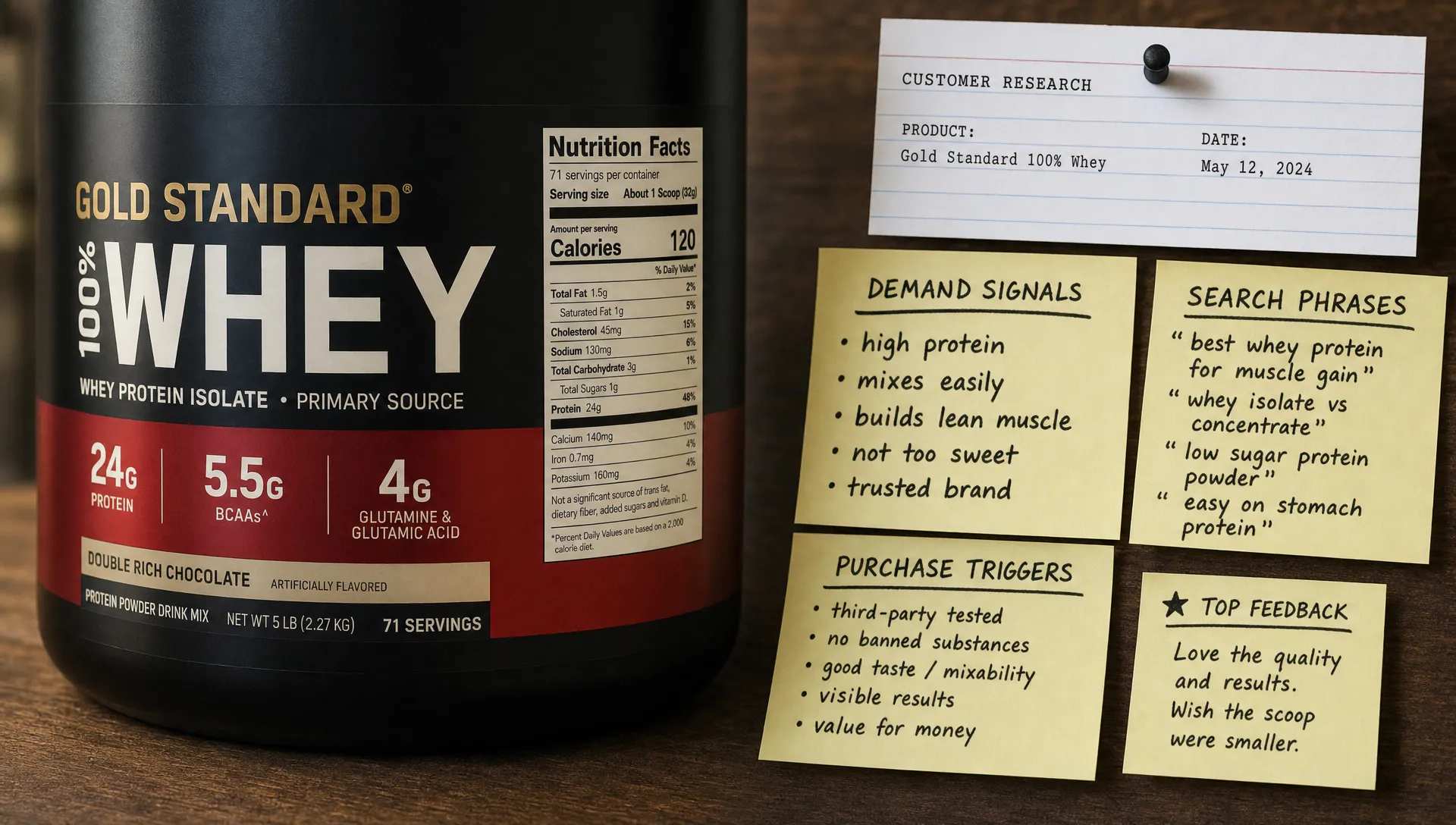
Growth does not come only from dashboards. Customer language is one of the strongest inputs for ad creative, email angles, product pages and offer strategy. Tools such as Typeform, KnoCommerce, Fairing, Hotjar surveys, post-purchase surveys and review mining workflows help agencies understand why people buy, hesitate or leave.
This is especially valuable for fitness and wellness brands, where the product often connects to identity, routine, confidence and performance. The difference between an average ad and a strong ad may be one customer phrase that captures the real motivation behind the purchase.
Customer research tools can help teams uncover:
- The problem customers were trying to solve before buying.
- The competing products or habits they considered.
- The trigger that made them purchase now.
- The objections that almost stopped them.
- The benefit they mention after using the product.
Those insights should feed directly into creative briefs and conversion tests. If customers keep saying the product helped them stay consistent during travel, that angle belongs in ads, product-page copy and retention messaging.
4. Creative research tools for ad angles and market context
Creative is one of the biggest levers in paid social, and agencies need a reliable way to study what is working in the market. Tools such as Foreplay, Motion, MagicBrief and platform ad libraries help teams save examples, tag patterns and turn raw inspiration into testable concepts.
The point is not to copy other brands. The point is to identify formats, hooks, proof points and storytelling structures that are resonating with buyers. A fitness apparel brand might notice that founder-led fit explanations outperform polished studio ads. A recovery product might find that problem-first demos create stronger thumb-stop rates than lifestyle clips.
Creative research tools also help reduce the blank-page problem. Instead of asking a designer or creator to come up with something from scratch, the agency can provide a brief with references, the intended audience, the angle, the offer and the success metric.
This makes creative production faster and more accountable. A winning creative system is not random inspiration. It is a loop: research, brief, produce, launch, measure, learn and repeat.
5. Digital asset management tools for creative production
As ecommerce brands grow, creative files become harder to manage. Product photos, UGC clips, raw creator footage, edited ads, logo files, packaging images and seasonal campaign assets can end up scattered across drives, inboxes and text threads. Digital asset management tools such as Google Drive, Dropbox, Air, Frame.io or Bynder help teams keep assets searchable and usable.
For agencies, organization has a direct performance impact. If the paid media team cannot quickly find the highest-performing product demo, it may recreate work that already exists. If the email team does not know a fresh bundle photo is available, campaigns can feel stale. If editors do not have access to raw creator footage, iteration slows down.
A useful asset system includes naming conventions, folders by product and campaign, performance notes and clear usage rights. This is particularly important for athlete, influencer and creator content, where usage windows can affect where and how assets can be used.
6. Paid media tools for campaign control and testing
Paid media platforms are tools by themselves, but agencies often add layers that make campaign management more efficient. Meta Ads Manager, Google Ads, TikTok Ads Manager, Pinterest Ads and Amazon Ads all require different structures, naming conventions and optimization habits. For larger accounts, tools such as AdRules, Revealbot or Smartly can help with automated rules, creative rotation and spend monitoring.
The real value is not automation for its own sake. It is control. Ecommerce ad accounts can waste money quickly when budgets rise before creative quality, landing page readiness or inventory planning catches up. Paid media tools should help agencies scale what is working, pause what is clearly inefficient and protect learning periods from emotional decision-making.
Strong agencies also use naming conventions that connect campaigns back to strategy. A campaign name should make it easy to identify the audience, offer, creative angle, placement and test date. That may sound small, but when a brand has tested hundreds of creative variations, clean naming becomes a performance advantage.
Paid media tools also help entrepreneurs see what is being learned. The best reporting is not just a list of winning ads. It explains why the winners worked and what the next test should be.

7. Landing page and CRO tools for better conversion
Traffic is expensive, so ecommerce brands need tools that improve the page experience after someone clicks. Landing page builders and CRO tools such as Replo, Shogun, Shopify theme tools, Convert, VWO, Optimizely, Hotjar and Microsoft Clarity help agencies test page structures, observe behavior and remove friction.
For D2C brands, this can include product detail page testing, bundle pages, quiz funnels, subscription landing pages, advertorials and launch pages. The best CRO work starts with a hypothesis. If customers are confused about sizing, test a clearer fit guide. If the supplement page has traffic but weak conversion, test stronger ingredient education, third-party proof or use-case specific sections.
CRO lessons apply beyond classic ecommerce carts. For higher-consideration purchases, buyers need more education, proof and guided next steps before they convert. A local manufactured home retailer such as Homes2Go in San Antonio shows how model selection, financing support, location information and buyer steps can all become conversion content, a useful reminder for brands selling products that require trust before purchase.
The mistake is treating CRO as button-color testing. Useful CRO tools help teams understand motivation and friction, then test page changes that match buyer intent.
8. Email and SMS tools for lifecycle growth
Acquisition gets attention, but retention often determines whether scaling is profitable. Email and SMS tools such as Klaviyo, Attentive, Postscript, Omnisend and customer.io help agencies build lifecycle journeys that convert first-time buyers into repeat customers.
For ecommerce brands, core flows usually include welcome, browse abandonment, cart abandonment, checkout abandonment, post-purchase education, replenishment, winback and VIP segments. Sports, fitness and wellness brands can go deeper by aligning messages to goals, routines and product usage timing.
The tool is only part of the equation. Strategy matters more. A protein brand should not send the same post-purchase education to a first-time sample-pack buyer and a customer who just purchased a 60-day supply. A fitness accessory brand may need different flows for runners, lifters and physical therapy buyers. Segmentation makes lifecycle marketing feel useful rather than noisy.
Email and SMS platforms also give agencies a testing environment outside paid media. Subject lines, offers, product bundles, education angles and customer stories can be tested with owned audiences before bigger paid campaigns use similar messaging.
9. SEO and content tools for durable demand
Paid media can create fast feedback, but organic search builds more durable demand over time. SEO tools such as Google Search Console, Ahrefs, Semrush, Screaming Frog and Surfer help agencies identify search opportunities, technical issues and content gaps.
For ecommerce brands, SEO is not only blog content. Category pages, product pages, comparison pages, buying guides, ingredient explainers, collection pages and FAQ sections can all capture intent. A wellness brand might target searches around product benefits, routines and ingredient education. A sports gear brand might build content around use cases, sizing, maintenance and comparisons.
SEO tools are most useful when connected to business priorities. Ranking for a high-volume topic is less valuable if the visitors have no purchase intent. A smaller keyword tied to a profitable product category may matter more. This is where agency judgment comes in.
A smart SEO workflow also supports paid media and CRO. Search data reveals the exact questions buyers ask before purchasing. Those questions can become product-page sections, ad hooks and email content, which makes SEO a strategic research tool rather than a standalone channel.
10. Reporting dashboards for decision-making
Reporting tools such as Looker Studio, Supermetrics, Databox, Triple Whale, Northbeam and custom spreadsheet models help agencies turn scattered data into useful decisions. A good dashboard is not overloaded. It gives the team a clear read on growth, profitability and test outcomes.
For ecommerce, the dashboard should connect marketing metrics with business metrics. That usually means blended ROAS or MER, customer acquisition cost, contribution margin, average order value, conversion rate, repeat purchase rate, revenue by product and inventory considerations when relevant.
Founders do not need more charts. They need to know what is happening, why it matters and what the team recommends next. Reporting tools should support that conversation, not replace it.
The strongest agency dashboards include narrative. If paid social efficiency dropped, was it because CPMs rose, creative fatigued, conversion rate fell or average order value changed? Each cause leads to a different action. Dashboards should make those decisions faster.
How to avoid tool bloat
Tool bloat happens when a brand adds software faster than it improves processes. The stack gets more expensive, reporting gets more complicated and no one is fully sure which platform is the source of truth.
Before adding another platform, ask whether the team has a clear use case, an owner and a measurable reason for adopting it. A tool that saves five hours a week or improves decision quality can be worth it. A tool that creates another dashboard no one reviews is just clutter.
A simple way to evaluate any new agency tool is to ask:
- What decision will this help us make?
- What workflow will this speed up?
- Who owns the tool weekly?
- What existing tool or spreadsheet does it replace?
- How will we know it is working within 90 days?
Entrepreneurs should also expect their agency to explain the stack in plain language. If you are paying for growth support, you should know which tools are used for strategy, execution and reporting. If you want a broader view of agency expectations, OPTYO’s guide on what a growth agency should deliver for emerging brands is a useful companion to this tool-focused article.
The best agency tools work together
The strongest ecommerce teams do not treat tools as isolated software. They connect them into a growth loop.
Customer research informs creative briefs. Creative assets become paid media tests. Paid media sends traffic to landing pages. CRO tools show where shoppers hesitate. Email and SMS turn buyers into repeat customers. Analytics and reporting tools show whether the whole system is improving.
That loop is what separates a tool stack from a growth system. Individual platforms can make work easier, but the real value comes from the process around them.
For sports, fitness and wellness entrepreneurs, this is especially important because the buyer journey is emotional and competitive. Customers want proof, identity, performance, convenience and trust. Agency tools help teams capture those signals and turn them into better marketing decisions.
Frequently Asked Questions
What are agency tools in ecommerce? Agency tools are software platforms and systems used to plan, execute, measure and improve ecommerce growth. They can include project management, analytics, creative research, CRO, paid media, SEO, email, SMS and reporting tools.
Which agency tools should a small ecommerce brand use first? Start with the basics: project management, ecommerce analytics, email marketing, customer feedback and clean reporting. Add specialized tools for CRO, SEO or creative testing once you have enough traffic, budget or operational complexity to justify them.
Do tools matter more than strategy? No. Tools only improve the speed and consistency of a good strategy. Without clear positioning, a strong offer and disciplined testing, even the best software stack will create noise instead of growth.
How can I tell if an agency has a strong tool stack? Ask how their tools connect strategy, execution and reporting. A strong agency should explain how ideas become tests, how results are measured and how learnings affect the next round of work.
Build an ecommerce growth system, not just a software stack
The right agency tools can help ecommerce brands move faster, test better creative, improve conversion and make cleaner decisions. But tools do not create growth on their own. They need a strategy, a cadence and a team that knows how to turn data into action.
If your sports, fitness or wellness brand is ready to improve paid media, creative production, CRO, lifecycle marketing and growth reporting, OPTYO can help you build a more disciplined growth system around the tools that matter.