.png)



Most D2C brands do not have a reach problem in the abstract. They have a trusted reach problem. Paid social can put your product in front of thousands of people quickly, but the message still arrives from a brand they may not know. Partner marketing changes the source of that introduction.
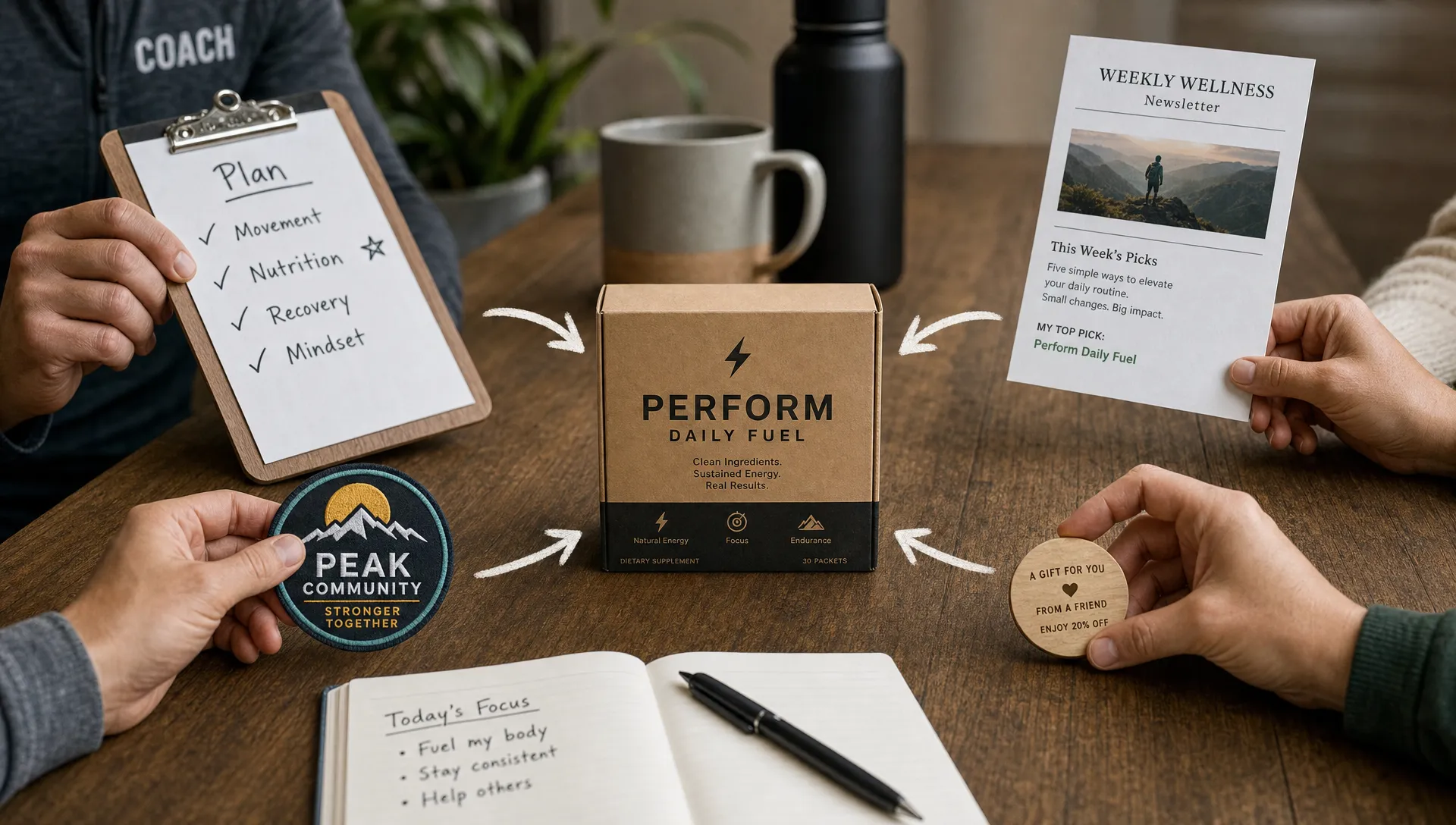
A strong partner marketing program lets another person, business or community introduce your product with context. For sports, fitness and wellness brands, that context matters. A running coach explaining why your recovery product fits marathon training is different from an ad interrupting someone between videos. A nutrition newsletter recommending your protein bar to readers who already trust its advice can shorten the path from curiosity to purchase.
The best programs are not random affiliate links or one-off influencer posts. They are structured growth systems with clear partner selection, offer economics, creative support, tracking and post-purchase experience. When built well, partner marketing can expand D2C reach while improving the quality of traffic coming into your funnel.
Why partner marketing belongs in a D2C growth system
In 2026, D2C acquisition is too competitive to rely on one channel. Ad costs fluctuate, organic reach is uneven and consumers often need several trusted touchpoints before buying. Partner marketing helps brands diversify demand creation without losing the measurement discipline that makes performance marketing work.
For a D2C founder, the advantage is not simply cheaper traffic. The real benefit is borrowed credibility. A relevant partner can translate your product into the language of a specific audience. That is especially useful in categories where buyers care about performance, health, training outcomes, ingredients, taste, style or identity.
Partner marketing also supports a more resilient funnel. A creator may drive awareness, an affiliate review may capture comparison shoppers, a coach may push high-intent referrals and a complementary brand may introduce you to customers who already buy in your category. That only works when the program connects to your positioning, paid media, email flows, landing pages and retention plan. If your brand is still defining the larger system, start by tightening your go-to-market strategy before recruiting dozens of partners.
What partner marketing can look like for D2C brands
Partner marketing is broader than affiliate marketing. Affiliate programs are one version, but D2C brands have more options than paying a publisher a commission on sales. The right model depends on your category, margins, average order value, sales cycle and audience behavior.
Common partner types include:
- Affiliate publishers and review sites: These partners are useful when shoppers search for best-of lists, product comparisons or discount-driven buying signals.
- Creators and ambassadors: These partners build reach through content, storytelling and personal credibility, often on TikTok, Instagram, YouTube, newsletters or podcasts.
- Professional partners: Coaches, trainers, dietitians, physical therapists, gym owners and wellness practitioners can drive high-trust referrals when the product fits their recommendations.
- Complementary brands: Two non-competing brands can bundle offers, share email campaigns, co-host events or create limited-edition collaborations.
- Communities and events: Run clubs, fitness challenges, tournaments, wellness retreats and local sports groups can introduce products in moments where the audience is already engaged.
A hydration brand might partner with run clubs and endurance coaches. A mobility tool brand might build relationships with physical therapists and strength coaches. A wellness CPG brand might collaborate with a sleep newsletter, meditation app or functional beverage company. Each version has different economics and different proof requirements, but the underlying discipline is the same.
Start with partner-customer fit, not a partner list
Many brands begin by asking who has the biggest audience. That is usually the wrong first question. A large audience with weak buying intent can waste product samples, commissions and internal time. A smaller partner with a precise audience can outperform a celebrity post because the recommendation lands in a relevant buying context.
Start with the customer. Who buys first, who influences that decision and what proof do they need before checkout? For a premium fitness product, the buyer may want performance validation. For a supplement, they may care about ingredients, habit fit and trust. For apparel, they may need style, sizing and social proof. Your partner program should match those buyer questions.
Then look for partners who already own moments of influence. A partner might influence discovery, comparison, purchase confidence or retention. The mistake is treating all partners as top-of-funnel reach. A review site, trainer and brand collaborator each play a different role. Your partner marketing program gets stronger when those roles are clear.
Your partner program should also sit inside a broader channel marketing strategy, not outside it. If paid social, SEO, email and wholesale are already pulling in different directions, partners will amplify the confusion.
Match partner type to the commercial objective
A partner marketing program should be designed around a specific growth problem. If the objective is vague, the partner list becomes bloated and hard to manage. Before you recruit, choose the job the program needs to do.
If you need awareness, use creators and communities
Creators, athletes, micro-influencers and community leaders can introduce a brand to new audiences in a more natural way than cold advertising. This works best when your product has a visual use case, a strong founder story, clear before-and-after context or a natural place in someone’s routine.
For D2C sports and fitness brands, micro-creators often have more useful influence than broad lifestyle accounts. A cycling creator with 18,000 highly engaged followers may be more valuable than a general wellness influencer with 400,000 followers and no clear performance niche. The smaller audience may buy because the creator’s use case feels specific.
If you need conversion, build affiliate and referral depth
Affiliate and referral partners are strongest when shoppers already know they have a problem and are comparing solutions. These programs need clear commissions, clean tracking, approved claims and conversion-focused landing pages.
The partner’s job is not just to send traffic. They should help answer buying objections. That could mean a detailed product review, a comparison guide, a tutorial, a challenge-based offer or a code tied to a specific customer segment. If every affiliate sends people to the same generic homepage, you are leaving conversion rate on the table.
If you need authority, recruit practitioners
In wellness, recovery, training and nutrition categories, authority partners can be more persuasive than pure media reach. Coaches, trainers, clinicians and category educators can validate a product’s practical use. They also tend to hear objections directly from customers, which can improve your messaging.
Authority partnerships need more care. Brands should be precise about claims, compliance and educational materials. Do not ask a practitioner to make claims your product cannot support. Instead, give them accurate product information, use cases and content they can adapt honestly.
If you need retention, collaborate with complementary brands
Partner marketing can also improve repeat purchase and customer lifetime value. Complementary brands can create bundles, shared challenges, loyalty perks or post-purchase education. A recovery drink brand might partner with a training app. A performance sock brand might collaborate with a running shoe retailer. A meditation brand might team up with a sleep supplement company.
These partnerships reach customers who already spend in adjacent categories. They also make your brand feel more useful because you become part of a larger routine, not just a single purchase.
Build an offer partners can actually sell
A partner program becomes easier to scale when the offer is simple to explain. Partners should know who the product is for, why it is different, what problem it solves and what action their audience should take next. If they need a 30-minute briefing to understand the pitch, the offer is not ready.
Good partner offers usually combine relevance, incentive and clarity. Relevance means the product fits the partner’s audience. Incentive means both the partner and the customer have a reason to act. Clarity means the path from recommendation to purchase is obvious.
For D2C brands, incentive design needs margin discipline. A 20 percent customer discount plus a 20 percent partner commission may look attractive, but it can destroy contribution margin if shipping, payment fees, returns and product costs are not included. Calculate the true cost of sale before setting commissions.
A simple formula helps: commission plus customer discount plus product cost plus fulfillment cost plus platform fees equals your real acquisition cost through that partner. Compare that number against paid acquisition cost, repeat purchase rate and expected lifetime value. Some partners may not look profitable on first order but become valuable when their customers repurchase at a higher rate.
Give partners the assets they need
Partners are not your internal creative team. If you want consistent output, make it easy for them to promote the product well. That does not mean scripting every word. It means giving them enough direction to stay accurate while preserving their voice.
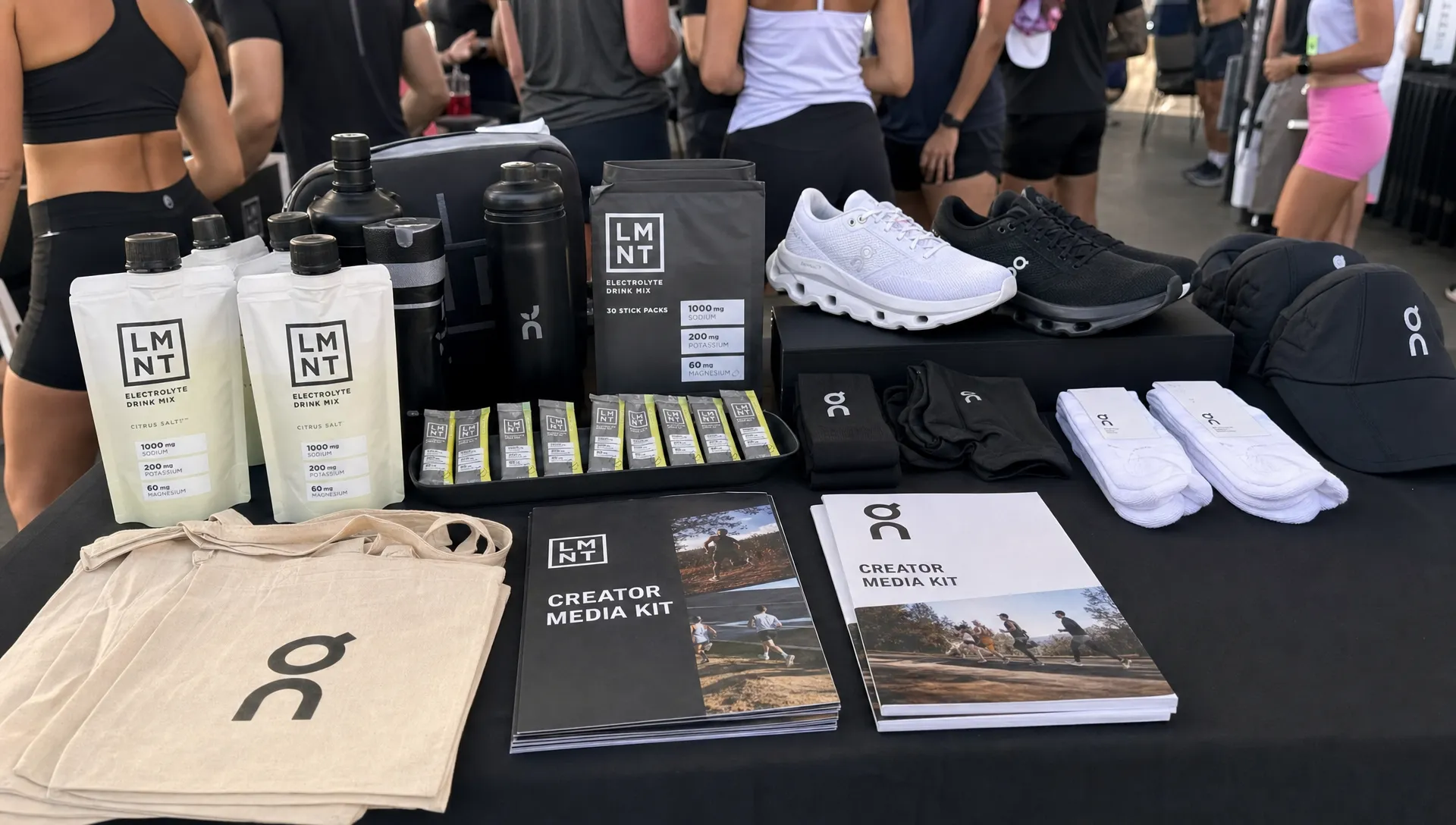
Useful partner enablement can include product education, audience-specific talking points, approved claims, lifestyle photography, usage examples, founder story notes, UGC prompts, landing page links and offer details. For creators, provide the key product truths but allow room for authentic content. For affiliates, provide structured product details and comparison points. For professional partners, provide educational materials they can trust.
Creative quality matters because partner traffic is rarely unlimited. When a partner finally introduces your brand, the message should match the landing page, the offer and the follow-up email sequence. If the partner talks about marathon recovery but the landing page leads with generic wellness language, you lose momentum.
This is where partner marketing overlaps with conversion rate optimization. The traffic source may be external, but the conversion work is still yours. Build landing pages around partner intent, not just brand identity. A trainer referral page should answer different questions than a holiday gift guide page.
Do not ignore customer experience after the referral
A partner can create trust before purchase, but your brand has to protect that trust after checkout. Slow responses, confusing returns, poor subscription management or unclear sizing support can damage both the customer relationship and the partner relationship.
This matters more as partner programs grow. A coach who sends customers to your product does not want to hear that those customers had a bad support experience. A creator who promotes your brand may hesitate to post again if their audience complains about shipping issues. Customer experience becomes part of partner retention.
If your internal team is stretched, it can be worth working with specialists in customer service teams and CX consulting so partner-driven growth does not create a support bottleneck. The smoother the post-purchase experience, the easier it is for partners to keep recommending you.
Track the metrics that show real partner value
Last-click revenue is useful, but it is not the full picture. Some partners create demand that converts later through paid search, email or direct traffic. Others capture bottom-of-funnel demand without creating much new reach. You need both types, but you should not evaluate them with the same lens.
Set up tracking with UTM parameters, partner links, discount codes and partner-specific landing pages where appropriate. Keep naming conventions clean from the beginning. Messy tracking becomes painful once you have 50 or 100 partners.
Watch these partner marketing KPIs:
- Activated partners: The percentage of recruited partners who actually publish, refer or campaign.
- Revenue by partner type: Sales segmented by creators, affiliates, professionals, communities and brand collaborations.
- New customer rate: The share of orders from customers who have not purchased before.
- Contribution margin: Revenue after discounts, commissions, product costs and fulfillment costs.
- Conversion rate by landing page: How well each partner audience converts once they arrive.
- Repeat purchase rate: Whether partner-referred customers come back after the first order.
- Content output: The volume and quality of partner content created over time.
You should also review qualitative feedback. Partners hear questions that do not always show up in analytics. If several partners say customers are confused about product usage, sizing, ingredients or subscription terms, that feedback should inform your creative, product page and email flows.
A practical 90-day launch plan
A partner marketing program does not need to launch with hundreds of partners. In most cases, a focused pilot is better. The first 90 days should prove partner-customer fit, identify which partner types convert and create repeatable operating habits.
- Days 1 to 15, define the program strategy: Clarify the customer segment, partner types, offer, commission logic, tracking setup, approved claims and target KPIs.
- Days 16 to 30, build the partner kit: Create landing pages, UTM templates, discount codes, product education, creative assets, outreach messaging and onboarding instructions.
- Days 31 to 45, recruit a focused pilot group: Target 20 to 50 high-fit partners instead of chasing volume. Prioritize relevance, audience trust and willingness to collaborate.
- Days 46 to 70, activate and support: Help partners publish, answer questions quickly, review early content and identify friction in tracking, creative or offer clarity.
- Days 71 to 90, analyze and scale selectively: Compare performance by partner type, cut weak fits, double down on promising segments and document the operating process before expanding.
The goal of the pilot is not only sales. It is learning. You want to know which partners understand the product fastest, which audiences respond and which objections appear before purchase. That intelligence can improve the rest of your growth engine.
Common mistakes that limit partner marketing growth
The first mistake is recruiting too broadly. A huge spreadsheet of potential partners is not a program. It is a distraction unless you have clear fit criteria and an activation process. Start narrow, learn quickly and expand from evidence.
The second mistake is over-discounting. Discounts can help partners create urgency, but they can also train customers to wait for codes. If your product has strong differentiation, do not let the offer become only about price. Consider bundles, gifts with purchase, early access, challenge participation or educational bonuses.
The third mistake is treating partners as media placements instead of relationships. The best partners often want feedback, product updates, performance visibility and a reason to keep engaging. If they only hear from you when you need a post, the relationship will weaken.
The fourth mistake is separating partner marketing from the rest of the funnel. Partner traffic should inform paid creative, SEO content, email segmentation and product page testing. A high-performing partner angle can become a paid ad concept. A recurring partner objection can become an FAQ on your product page. Strong D2C growth comes from connecting those learnings across channels.
When D2C brands should get outside help
Partner marketing can look simple from the outside, but scaling it requires strategy, creative, tracking, offer design and ongoing optimization. If your team is already managing paid social, email, site updates, product launches and fulfillment, partner programs may not get the attention they need.
Outside support makes sense when you need to connect partner marketing with the broader growth system. That includes positioning, performance marketing, creative production, conversion rate optimization, SEO, email and KPI reporting. A partner program should not sit in a silo. It should reinforce the same customer journey your other channels are building.
For sports, fitness and wellness brands, this alignment is especially important because credibility is part of the product experience. The partner, message, landing page and post-purchase experience all need to feel consistent.
Frequently Asked Questions
What is partner marketing for D2C brands? Partner marketing is a structured way to grow through third-party relationships such as affiliates, creators, ambassadors, coaches, communities, complementary brands and professional referrers. These partners introduce your product to relevant audiences and are usually compensated through commissions, fees, product, co-marketing value or a mix of incentives.
How is partner marketing different from influencer marketing? Influencer marketing is usually focused on creator content and audience reach. Partner marketing is broader. It can include influencers, but it also includes affiliates, referral partners, brand collaborations, newsletters, events, professional recommendations and community partnerships.
What should a D2C brand track in a partner marketing program? Track activated partners, partner-driven revenue, new customer rate, conversion rate, contribution margin, repeat purchase rate and content output. You should also review partner feedback because it often reveals messaging gaps and customer objections.
How many partners should a D2C brand recruit at launch? Most brands are better off starting with a focused pilot of 20 to 50 high-fit partners rather than hundreds of low-fit prospects. The goal is to prove which partner types can drive quality traffic, profitable sales and useful customer learning.
Build a partner program that supports profitable reach
Partner marketing can help D2C brands grow beyond paid media dependency, but only when it is built with focus. The right partners should expand trust, improve conversion quality and teach you more about your customers.
If your sports, fitness or wellness brand needs help connecting partner marketing with paid media, creative, CRO, email, SEO and reporting, OPTYO can help you build a more connected growth system around the channels that matter most.