.png)


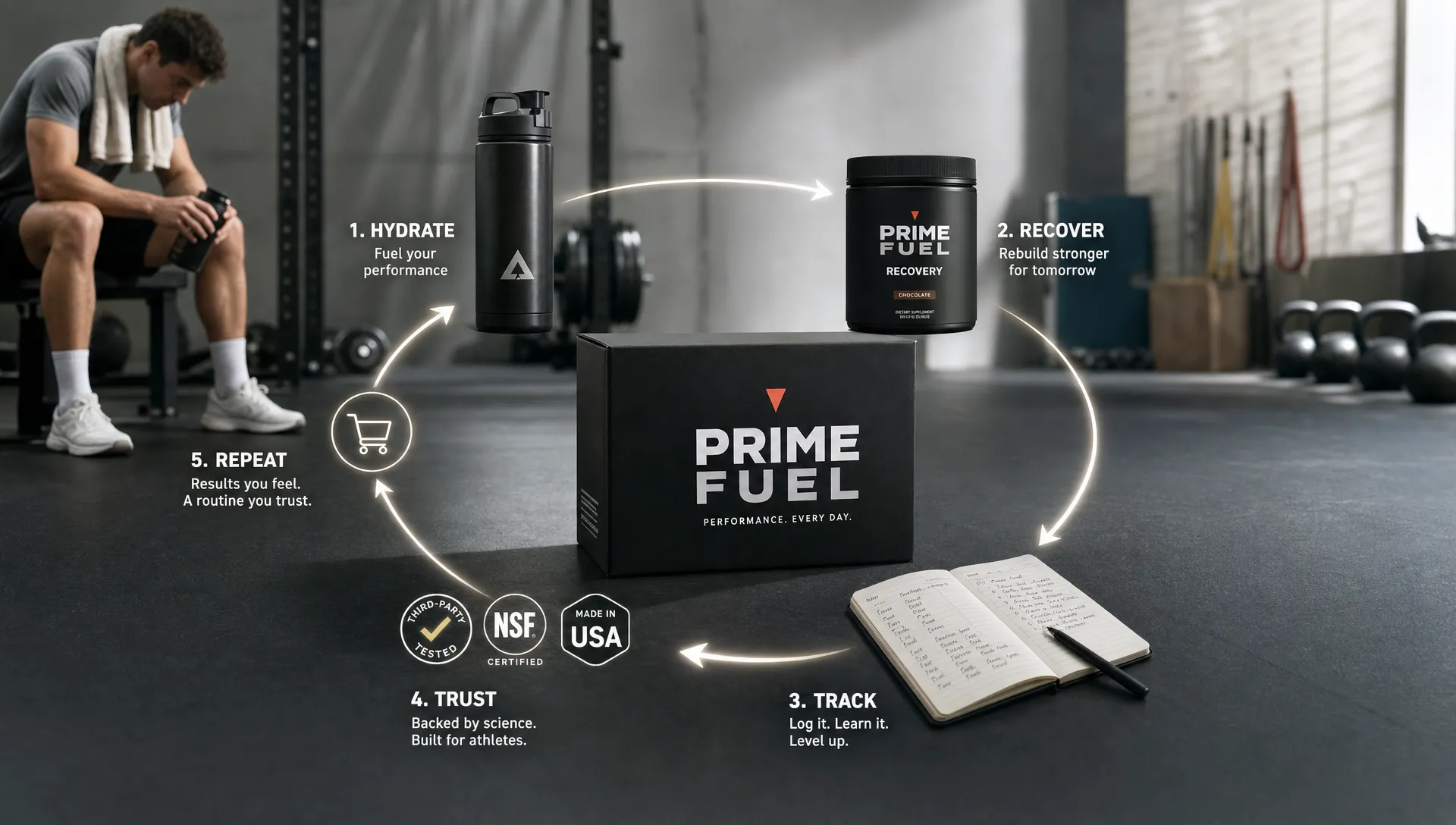

In ecommerce, trust is often treated like a nice-to-have brand benefit. In reality, it is one of the clearest drivers of conversion, retention, and customer lifetime value. If someone trusts your brand, they need less convincing, compare fewer alternatives, and feel more confident buying again.
That matters even more in sports, fitness, wellness, and CPG. Customers are not just buying a product. They are buying into a routine, an identity, a performance goal, or a better version of daily life. Your brand marketing has to make that belief feel credible before the first purchase and reinforce it after the product arrives.
The goal is not to make your brand louder. The goal is to make it easier to believe, remember, and choose again.
Why trust is the hidden lever in ecommerce growth
Most ecommerce teams are trained to optimize for the first order. They test hooks, landing pages, offers, and creative angles until acquisition costs start to move in the right direction. That work matters, but it only tells part of the story.
A first purchase happens when a customer believes the promise enough to take a chance. A repeat purchase happens when the entire experience confirms that belief.
Brand marketing sits between those two moments. It shapes what buyers expect, how much risk they feel, and whether the product feels worth returning to. In practical terms, trust reduces friction. A customer who trusts you does not need ten tabs open. They are less likely to wait for a discount. They are more likely to forgive small imperfections if the experience feels honest and consistent.
For entrepreneurs, that is powerful. When trust improves repeat purchases, growth becomes less dependent on constantly buying new attention. You can spend more confidently because every acquired customer has a better chance of becoming a long-term asset.
Brand marketing and performance marketing should work together
Brand marketing is not the opposite of performance marketing. It is the foundation that makes performance marketing more efficient.
Performance marketing captures demand and turns attention into measurable action. Brand marketing creates the memory, meaning, and credibility that make those actions easier. If your ads promise one thing, your website says another, and your post-purchase emails feel generic, customers experience the brand as fragmented. That fragmentation creates doubt.
A strong ecommerce growth system connects brand strategy, paid media, creative, landing pages, email, and customer experience around the same promise. If your team is working on conversion, it is worth understanding how brand strategy and marketing drive better conversion, because the clearest brands often have the easiest path to purchase.
Trust is built when every touchpoint answers the same core questions: Is this for me? Do I believe it will do what it says? Do I understand what happens after I buy? Do I feel good supporting this company?
Start with a promise customers can repeat
Many brands struggle with repeat purchases because the first promise is too vague. “Premium quality,” “built for performance,” and “wellness made simple” are not wrong, but they are too broad to create lasting memory on their own.
A stronger brand promise is specific enough for customers to repeat in their own words. It should name the customer, the problem, and the outcome clearly.
For example, a fitness apparel brand is not just selling leggings. It might be helping strength-training women feel supported through heavy lifts without constantly adjusting their gear. A hydration brand is not just selling electrolytes. It might be helping endurance athletes stay consistent during long sessions without heavy sugar or artificial flavors.
The more specific the promise, the easier it is to build trust. Customers know what the brand stands for, what it is not trying to be, and why it belongs in their routine.
To sharpen your promise, ask three questions:
- Who is the customer you are most committed to serving?
- What problem are they already trying to solve before they find you?
- What proof can you provide that makes your solution believable?
If the answer feels generic, your ads will likely depend too heavily on discounts, novelty, or urgency. If the answer is sharp, your brand can start becoming a preferred choice instead of one more option in the feed.
Show proof before the customer has to ask for it
Trust falls apart when the buyer has to hunt for reassurance. This is especially true in wellness, nutrition, supplements, performance products, recovery, skincare, and other categories where claims can feel risky or overhyped.
Good brand marketing brings proof into the buying journey early. It does not wait until the FAQ page or customer support thread. It puts credibility in the ad, the product page, the email sequence, and the post-purchase experience.
Strong proof can include:
- Clear ingredient, material, or sourcing information
- Specific customer reviews that describe use cases and outcomes
- Educational content that explains how to use the product properly
- Realistic claims that avoid exaggerated transformation language
- Founder, coach, expert, or team visibility where relevant
- Transparent shipping, returns, subscription, and guarantee details
The key is specificity. A review that says “great product” is helpful, but a review that says “I used this during marathon training and it was easy on my stomach” gives a future customer a reason to believe.
In high-trust wellness categories, process can be just as important as proof. Service brands provide a useful lesson here. Private care providers such as Montgó Lifestyle emphasize a clear, confidential process for care, which shows how trust grows when people understand what will happen next before they take action.
Ecommerce brands can apply the same principle. Explain what customers receive, how to use it, when to expect results, and how to get support if something feels unclear. Certainty creates confidence.
Make the first order feel like the beginning of a relationship
Repeat purchases are not created only by retention campaigns. They are created by the first experience after checkout.
A customer should never feel abandoned between purchase and delivery. The confirmation email, shipping update, packaging, insert card, usage instructions, and first follow-up all shape whether the buyer feels smart for choosing you.
For sports and fitness products, this might mean sending a short onboarding sequence that explains how to use the product in a routine. For wellness products, it might mean setting realistic expectations and explaining what consistency looks like. For CPG brands, it might mean showing simple ways to integrate the product into meals, training, recovery, or daily habits.
This is where trust becomes behavioral. A customer who understands how to use the product is more likely to experience value. A customer who experiences value is more likely to buy again.
For wellness brands in particular, responsible communication matters. If your category touches health, stress, recovery, sleep, nutrition, or emotional well-being, your brand needs to build belief without overpromising. OPTYO has explored this further in its guide on how a health and wellness marketing agency wins trust.
Create repeat-purchase loops, not just retention blasts
A repeat purchase loop is a planned sequence that helps the customer return at the right time for the right reason. It is not the same as sending a discount code whenever revenue feels soft.
The best loops are built around product usage. If a customer buys a 30-day supplement, your reorder communication should match the likely consumption window. If they buy running gear, your follow-up can connect to training cycles, weather changes, or event preparation. If they buy wellness products, the loop should support consistency and habit formation.
Discounts can play a role, but they should not be the whole strategy. If customers only come back when the price drops, the brand has trained them to wait. A stronger repeat system gives people useful reasons to return: replenishment, education, new routines, complementary products, community, and progress.

Use creative that reinforces trust, not just attention
Many brands treat creative as a constant search for new hooks. That approach can generate short-term wins, but it can also weaken memory if every ad feels like it comes from a different company.
Trust-building creative should still be fresh, but it should repeat the same strategic assets: the same customer problem, the same product role, the same visual cues, the same tone, and the same core proof points. This is how people start recognizing you before they read the logo.
For ecommerce, the most effective creative often combines three elements. It shows the product in a real buying or usage context. It communicates a specific promise. It includes proof that makes the promise believable.
That might look like a short ad showing an athlete using a recovery product after training, paired with a clear benefit and a quote from a customer with a similar routine. It might look like a product page hero section that immediately explains who the product is for, what makes it different, and why buyers trust it.
The point is consistency. If you want a deeper view of the relationship between recall and conversion, OPTYO’s article on branding and advertising that make ecommerce more memorable breaks down how distinctive assets and repeated buying situations help customers remember a brand when it matters.
Measure trust like a growth metric
Trust can feel intangible, but the signals are measurable. You will not find one perfect number, so look for patterns across conversion, retention, sentiment, and customer behavior.
Useful trust and repeat purchase metrics include:
- Repeat purchase rate by product and cohort
- Time between first and second purchase
- Returning customer revenue share
- Subscription activation, pause, and cancellation reasons
- Review volume, rating quality, and review language
- Customer support themes before and after purchase
- Email engagement across onboarding and replenishment flows
- Branded search volume and direct traffic trends
Do not look at these metrics in isolation. A higher repeat purchase rate means more when it is paired with strong review sentiment and fewer support questions. A lower subscription churn rate means more when customers are staying because they value the product, not because cancellation is confusing.
Trustworthy brands make the customer feel in control. If retention depends on hiding terms, delaying cancellation, or exaggerating benefits, the numbers may look good briefly, but the brand is borrowing from future credibility.
Avoid the mistakes that break repeat purchase potential
The fastest way to lose trust is to overpromise in the first click. Aggressive claims can lift short-term conversion, but they raise expectations the product may not meet. When the experience falls short, the second purchase disappears.
Another common mistake is changing the message every month. Testing is important, but if every campaign uses a different promise, customers do not know what to remember. The strongest brands test inside a consistent strategy. They change execution without constantly changing identity.
Hiding friction is also risky. If shipping takes longer, explain it. If results require consistent use, say so. If a product is not right for every customer, make that clear. Honest boundaries can increase trust because they signal that the brand is not trying to win every sale at any cost.
Finally, do not treat retention as a separate department. Your paid media, product page, email, CX, packaging, and brand strategy all affect whether customers return. Repeat purchase is a whole-business outcome, not just a Klaviyo flow or a loyalty program.
A practical 90-day plan for stronger brand marketing
You do not need to rebuild your entire brand to improve trust and repeat purchases. Start with the highest-impact touchpoints.
In the first 30 days, audit your promise. Review ads, landing pages, product pages, email flows, packaging, and reviews. Look for inconsistencies. Identify where customers might feel confused, skeptical, or unsupported.
In days 31 to 60, strengthen proof. Add clearer product education, better review placement, more specific use cases, and more transparent policies. Improve your onboarding emails so customers know exactly how to get value from the product.
In days 61 to 90, build repeat loops. Segment customers based on what they bought, when they bought, and how the product fits into their routine. Create replenishment, cross-sell, and education sequences that feel useful rather than purely promotional.
This process turns brand marketing into an operating system. Your brand is not just what people see before they buy. It is the expectation you set, the experience you deliver, and the reason customers decide to come back.
Frequently Asked Questions
What is brand marketing in ecommerce? Brand marketing is the work of shaping how customers understand, remember, and trust your business. In ecommerce, it includes positioning, messaging, creative, product education, website experience, email, and every touchpoint that influences whether someone buys and returns.
How does brand marketing increase repeat purchases? It increases repeat purchases by setting clear expectations, reducing doubt, improving product understanding, and making the post-purchase experience feel consistent. When customers believe the promise and experience the value, they are more likely to buy again.
Should new ecommerce brands focus on brand marketing or performance marketing first? They should connect both early. Performance marketing helps generate data and sales, while brand marketing makes those sales more efficient and memorable. A clear promise, credible proof, and consistent creative can improve paid media results from the start.
What is the biggest trust killer for wellness and fitness brands? Overpromising is one of the biggest trust killers. Claims that feel exaggerated may win attention, but they often create disappointment after purchase. Responsible messaging, clear education, and specific proof are better for long-term retention.
Turn trust into a repeatable growth advantage
If your ecommerce brand is spending more to acquire customers but not seeing enough repeat purchases, the issue may not be your media buying alone. It may be the trust gap between what customers are promised and what they experience.
OPTYO helps sports, fitness, wellness, and CPG brands connect performance marketing with brand strategy, creative, CRO, email, SEO, reporting, and growth consulting. If you want a growth system that earns the first purchase and makes the second one more likely, explore how OPTYO can support your next stage of growth.