.png)




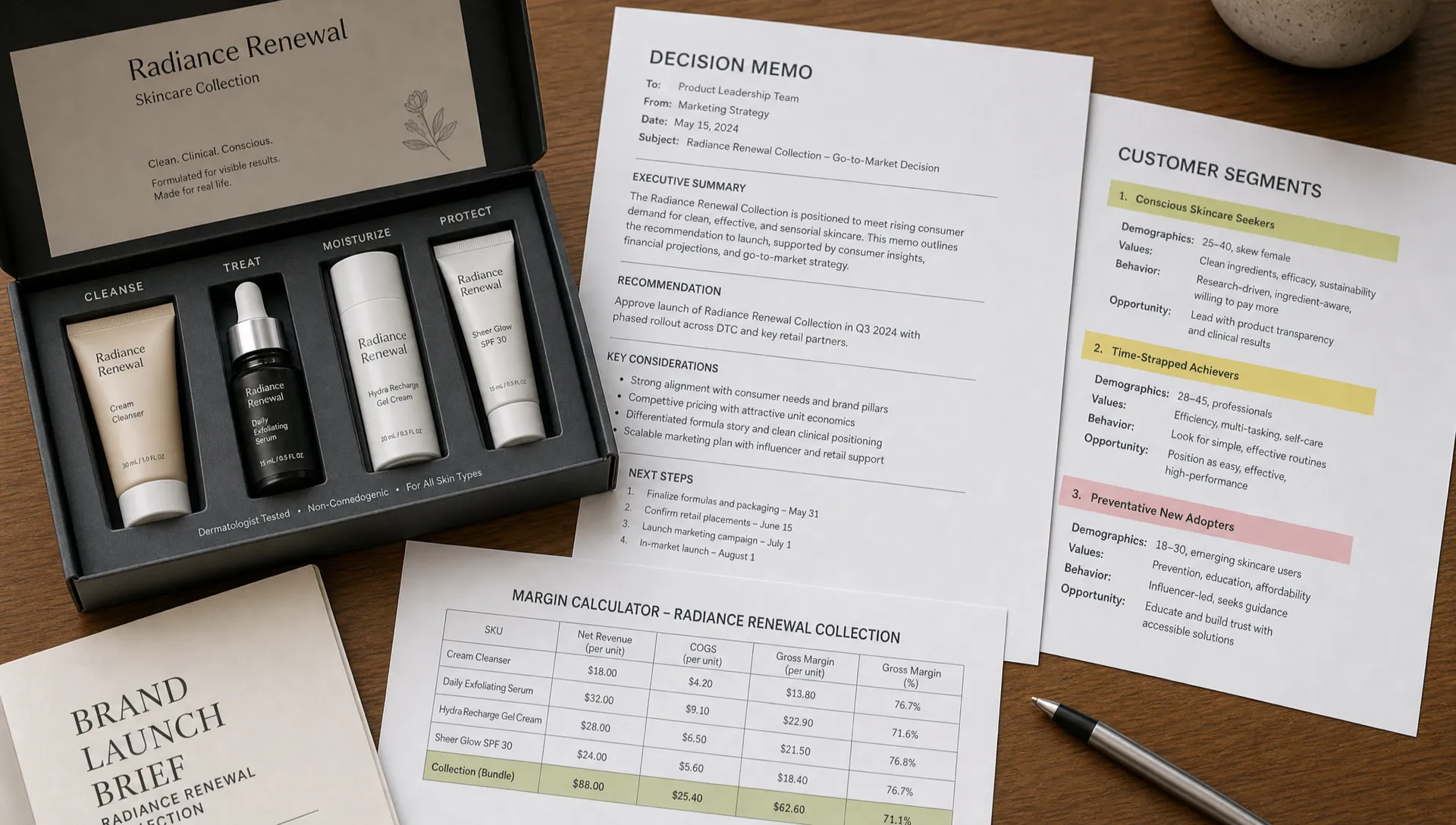
Traffic is more expensive than it used to be, and most ecommerce founders feel the pressure in the same place: margin. Conversion rate marketing is not just about squeezing a few more orders from the same visitors. Done well, it helps the right shoppers buy the right products at the right price, without turning every campaign into a discount race.
For sports, fitness and wellness brands, that distinction matters. A higher conversion rate can still hurt the business if it comes from low-margin bundles, free shipping abuse, high-return buyers or customers who only purchase during promotions. The goal is profitable conversion, not conversion at any cost.
What Conversion Rate Marketing Means When Margin Matters
At its simplest, conversion rate is the percentage of visitors who complete a desired action. In ecommerce, that usually means a purchase, but it can also include quiz completions, email signups, subscription starts or wholesale inquiries. Conversion rate marketing is the strategy of improving those actions through better positioning, offers, creative, user experience and follow-up.
The margin-aware version starts one level deeper. It asks whether more conversions improve contribution profit after product costs, shipping, payment fees, fulfillment, returns and ad spend. That makes it different from cosmetic CRO, where teams test button colors or popups without connecting the results to business economics.
| Conversion focus | What it optimizes | Risk if used alone |
|---|---|---|
| More orders | Purchase volume | Can increase unprofitable sales |
| Higher AOV | Cart value | Can reduce conversion if the offer feels forced |
| Lower CAC | Acquisition efficiency | Can limit growth if volume disappears |
| Better LTV | Repeat purchase and retention | Takes longer to measure |
| Higher contribution profit | Revenue quality after variable costs | Requires cleaner data and discipline |
A healthy program balances all five. If one metric improves while another collapses, the test is not finished.
Start With Unit Economics Before You Touch the Funnel
A good conversion rate marketing plan begins with the numbers behind the sale. Before changing a product page, launching a bundle or adding a discount ladder, founders should know which products can support paid acquisition and which ones need protection.
This does not require a complicated finance model. It requires a clear view of the few metrics that determine whether growth is worth pursuing. OPTYO breaks down many of those indicators in its guide to data-driven marketing metrics every D2C brand should track, especially for brands trying to connect marketing activity to profit.
Define the guardrails for every test
For each major product or category, establish guardrails before testing begins. These guardrails should tell your team how much incentive you can afford, which SKUs deserve more traffic and which customer segments are worth paying for.
| Metric | Why it matters | Margin-protective question |
|---|---|---|
| Gross margin | Shows product-level room to spend | Can this SKU support acquisition costs? |
| Contribution margin | Accounts for variable costs beyond COGS | Does the order remain profitable after fulfillment and fees? |
| Average order value | Affects payback on traffic | Are shoppers buying enough to justify the visit? |
| Return rate | Reveals hidden profit leakage | Do certain offers attract buyers who return more often? |
| Repeat purchase rate | Measures future value | Does this first order lead to a second one? |
| CAC by channel | Shows acquisition efficiency | Which channels bring buyers with profitable behavior? |
Once these guardrails are in place, the marketing team can test with more confidence. A 12 percent lift in conversion sounds good, but if it comes from a 25 percent discount on a low-margin product, it may be a loss disguised as a win.
Use Offers That Add Value Instead of Erasing Price
For sports, fitness and wellness brands, conversion rate marketing works best when the offer increases perceived value without making the core product feel overpriced. Heavy discounting trains customers to wait. Strong offer design helps them understand why buying now makes sense.
The right offer depends on the product lifecycle. A consumable supplement brand may benefit from subscribe-and-save messaging, replenishment reminders or multi-pack bundles. A premium fitness equipment brand may need financing clarity, comparison charts and proof of durability. An apparel or recovery brand may get more margin-friendly lift from bundles that raise AOV instead of blanket coupon codes.
Improve the offer hierarchy
Most ecommerce pages do not need more offers. They need better hierarchy. Shoppers should quickly understand the primary product, the reason it is worth the price, what risk is removed and what action to take next.
Margin-protective offer tactics include:
- Product bundles that increase AOV without discounting every item equally
- Free shipping thresholds set above current AOV, not below it
- Gifts with purchase using products that have healthy margin or sampling value
- Subscription incentives tied to retention, not one-time coupon chasing
- Loyalty points that encourage repeat purchase instead of immediate margin loss
The key is to compare each incentive against contribution margin. A free accessory may be cheaper than a 20 percent discount and still feel more valuable to the customer.
Build Product Pages That Reduce Risk Without Cutting Price
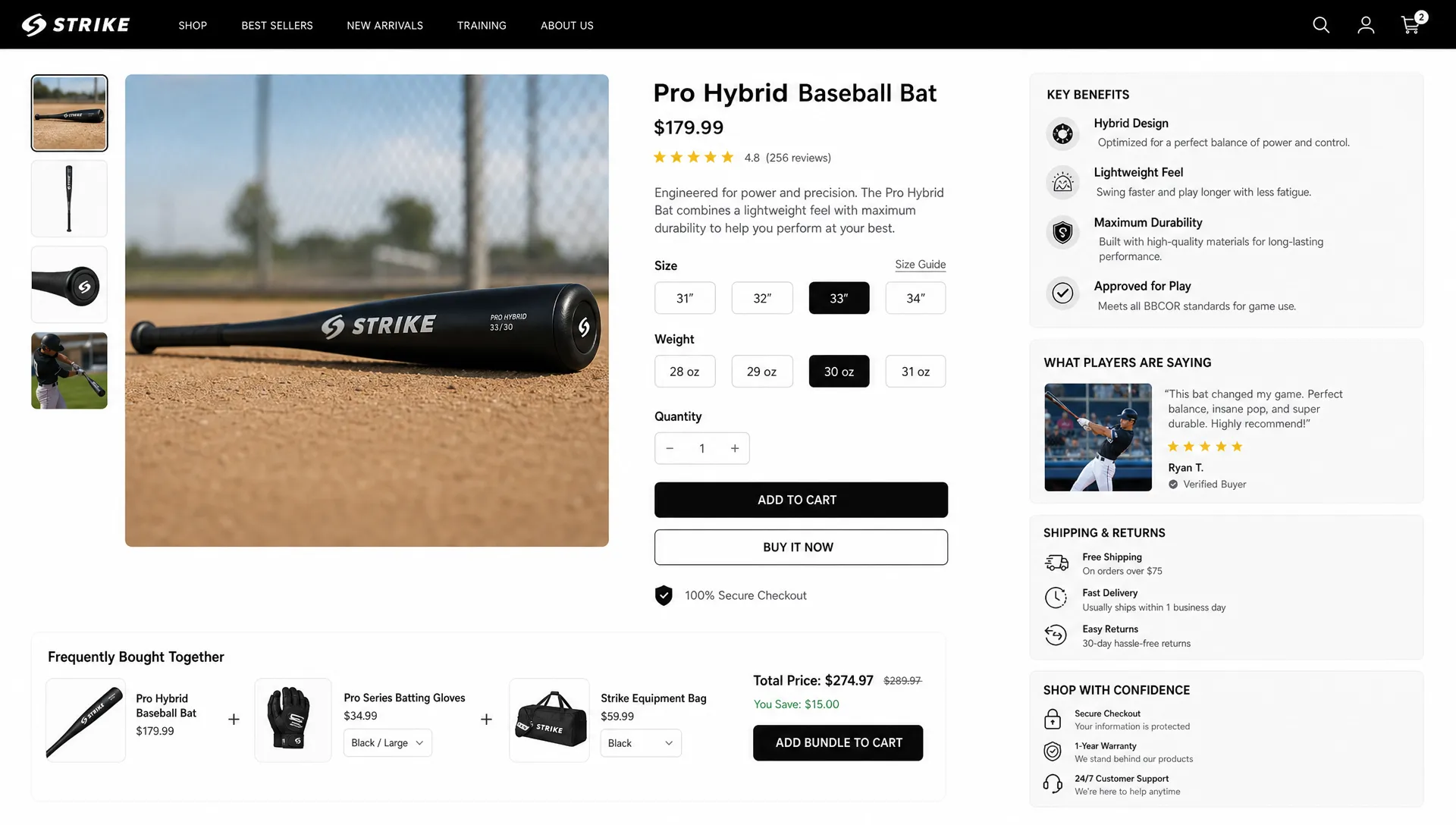
Product pages carry a heavy burden. They must answer the shopper's objections, explain value and create confidence before checkout. This is where conversion rate marketing becomes more than a layout exercise. It becomes a trust-building system.
For performance products, trust often comes from specificity. A vague claim like “built for athletes” is weaker than a clear explanation of materials, fit, use case, testing context or recovery benefit. For wellness products, ingredient transparency, usage instructions, certifications where applicable and realistic expectations can reduce hesitation without cheapening the brand.
The same clarity principle applies outside ecommerce. A local service brand such as a trusted Brisbane dental practice can reduce decision friction by making locations, services, emergency options and booking paths easy to understand before asking a patient to act. Ecommerce pages should do the same for product selection, delivery, guarantees and support.
Add proof where doubt appears
Do not place every trust signal at the bottom of the page. Put proof near the point of doubt. If shoppers hesitate on sizing, show fit guidance and exchanges near size selection. If they question quality, show materials, warranty language or customer reviews near the product description. If they worry about delivery, show shipping thresholds and estimated timing before checkout.
This approach protects margin because it improves confidence without defaulting to a coupon. It also improves the quality of the order, since shoppers are less likely to buy the wrong size, wrong product or wrong bundle.
Align Ads, Landing Pages and Product Pages
In practice, conversion rate marketing often fails because the ad promise and the landing experience do not match. A paid social ad may sell speed, while the page leads with ingredients. A search ad may mention a specific sport, while the page uses generic lifestyle imagery. The shopper feels a gap, even if they cannot name it.
That gap is expensive. Every click already cost money, and every confused visitor raises CAC. For paid campaigns, margin protection starts with matching intent to the page experience. A cold prospect from Meta may need education and proof. A high-intent Google searcher may need comparison details and a faster path to checkout. OPTYO covers this profit lens in its article on pay-per-click advertising services that protect margin.
| Traffic source | Common mismatch | Margin-safe fix |
|---|---|---|
| Paid social | Creative sells a lifestyle, page sells specs only | Lead with the same use case, then support it with details |
| Branded search | Shopper wants fast purchase, page over-explains | Shorten path to bestsellers and checkout |
| Non-branded search | Shopper compares options, page lacks differentiation | Add comparison, proof and FAQs |
| Returning buyer sees first-time education | Personalize toward replenishment, bundles or new arrivals |
The stronger the message match, the less pressure there is to buy the conversion with discounts.
Use Checkout Friction Carefully
Not all friction is bad. Conversion rate marketing should remove confusion, surprise costs and unnecessary steps, but it should not remove every decision point that protects profit. A checkout that hides shipping costs until the final step may create abandoned carts. A checkout that makes returns too vague may create support tickets. A checkout that pushes the wrong payment option may increase fees or failed payments.
The best checkout changes are usually practical. Show shipping thresholds early. Make payment options clear. Keep discount code fields from becoming the visual center of the page. Explain returns in plain language. Allow guest checkout, but capture email or SMS in a way that supports abandoned cart recovery.
If your brand has been relying on coupons to close sales, review OPTYO's article on how to improve ecommerce conversion rate without more discounts. Many checkout problems look like price sensitivity from a distance, but the real issue is uncertainty.
Watch for low-quality conversion lifts
A checkout test can raise completed orders while lowering order quality. For example, a more aggressive coupon prompt may increase conversion but lower AOV. A very generous return message may reduce hesitation but attract more trial behavior. A free shipping threshold set too low may lift conversion while eroding contribution margin.
The solution is to judge checkout tests with post-purchase metrics, not just completed orders. Look at AOV, discount rate, shipping cost per order, refund rate and customer support volume after each meaningful change.
Test With a Profit Scorecard, Not a Guess
A margin-aware conversion rate marketing program needs a testing scorecard. Without one, teams often declare victory too early. A page variant may win on conversion rate for one week, then underperform once returns, subscription churn or paid traffic quality are considered.
Your scorecard should include leading and lagging indicators. Leading indicators help you move quickly. Lagging indicators protect the business from short-term wins that damage long-term economics.
| Test area | Leading metric | Margin check |
|---|---|---|
| Product page messaging | Add-to-cart rate | Does the variant improve purchases on profitable SKUs? |
| Bundle offer | Bundle attach rate | Does contribution margin per order improve? |
| Free shipping threshold | Checkout completion | Does shipping cost as a percent of revenue stay controlled? |
| Subscription prompt | Subscription starts | Do subscribers stay beyond the first order? |
| Review placement | Conversion rate | Does return rate stay flat or improve? |
A useful test is not always the one with the biggest lift. It is the one that improves the relationship between traffic cost, order value and retained customers.
Make Retention Part of the Conversion Plan
Many ecommerce teams treat retention as something that happens after conversion. That separation is costly. The first purchase sets expectations for product usage, replenishment, support and the next offer. If the conversion path overpromises, retention suffers.
Strong post-purchase communication can protect margin by reducing refunds, increasing product satisfaction and creating a path to the second order. For sports and wellness brands, that might mean usage education, training content, replenishment timing, community prompts or product pairing recommendations. The goal is not to bombard the customer. It is to help them get the result they bought the product for.
This is why conversion rate marketing should include email and lifecycle strategy. If a brand can improve repeat purchase rate, it can afford to be more selective with acquisition, less dependent on first-order discounts and more patient with testing.
Frequently Asked Questions
What is conversion rate marketing? Conversion rate marketing is the process of improving the percentage of visitors who take valuable actions, such as buying, subscribing or requesting more information. For ecommerce brands, the best version connects those actions to margin, AOV, CAC and retention.
How is it different from conversion rate optimization? CRO often focuses on testing page elements and user experience. Conversion rate marketing is broader because it includes offer strategy, paid traffic alignment, creative, merchandising, email follow-up and profit measurement.
Can a higher conversion rate hurt profit? Yes. If the lift comes from deep discounts, low-margin products, costly shipping promises or high-return customers, the brand may generate more orders but less contribution profit.
What should ecommerce brands test first? Start with the highest-friction pages and the clearest margin opportunities. Product page messaging, offer structure, shipping thresholds, checkout clarity and ad-to-page alignment are often better first tests than cosmetic design changes.
Do small brands need advanced tools to do this well? Not at the start. Clean analytics, SKU-level margin awareness and disciplined test tracking are enough to make better decisions. More advanced tools help once traffic volume and testing cadence increase.
Protect Margin While You Improve Conversion
A better conversion rate is only valuable if it helps the business grow profitably. That means every tactic should be judged by the quality of the order, not just the quantity of orders.
OPTYO helps sports, fitness and wellness brands connect performance marketing, creative, ecommerce development, CRO, email and growth strategy around the same goal: profitable scale. If your brand is ready to improve conversion without sacrificing margin, start by auditing where shoppers hesitate, where profit leaks and where the offer can become clearer instead of cheaper.