.png)


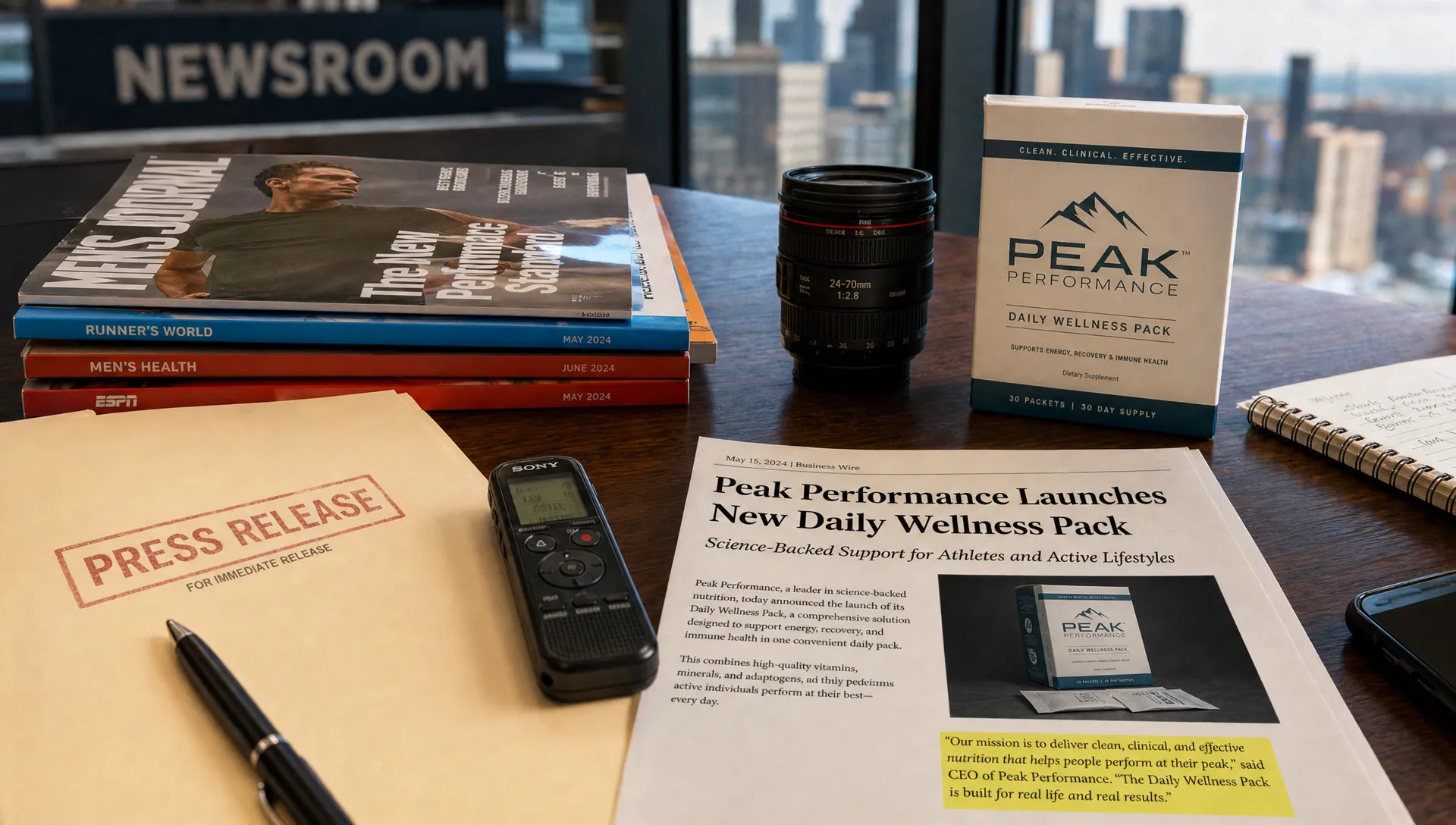

Public relations can be powerful for a growing brand, but it is not always the fastest path to growth. A great PR agency can help a sports drink, fitness apparel line, wellness supplement, or CPG startup earn credibility that paid ads alone cannot buy. The wrong PR investment, or the right PR investment at the wrong time, can also absorb budget, slow decision-making, and create the illusion of traction without improving revenue.
For ecommerce founders, the key question is not whether PR is “good.” The better question is whether PR fits your current growth stage, business model, and marketing infrastructure.
A PR agency helps most when your brand has a story worth amplifying and the operational foundation to turn attention into demand. It slows growth when founders use press as a substitute for product-market fit, conversion strategy, customer retention, or disciplined performance marketing.
What a PR Agency Actually Does
A PR agency helps a company earn visibility through third-party credibility. That can include media outreach, founder interviews, product placement, launch announcements, event publicity, podcast booking, thought leadership, crisis communications, and reputation management.
Unlike paid media, PR does not usually guarantee impressions, placements, traffic, or sales. The value comes from credibility. A mention in a respected publication, a founder feature, or a product review can make your brand feel more legitimate to customers, investors, retail buyers, partners, and influencers.
That is why PR often sits closer to brand-building than direct-response acquisition. It can support growth, but it rarely replaces the systems that convert demand into revenue.
A performance marketing campaign can be measured against CAC, ROAS, conversion rate, and contribution margin. PR is usually measured through a mix of media quality, referral traffic, branded search lift, social proof, backlinks, share of voice, and downstream impact on conversion. Those are valuable signals, but they require patience and context.
When a PR Agency Helps Growth
A PR agency can be a growth accelerator when timing, positioning, and execution are aligned. This is especially true for sports, fitness, wellness, and lifestyle brands where trust, aspiration, and cultural relevance matter.
You Have a Clear Story Beyond “We Launched”
Journalists and editors are not looking for another generic product announcement. They want a reason their audience should care. PR works best when your brand has a story with tension, novelty, proof, or cultural relevance.
For example, a fitness brand may have a compelling founder story rooted in athletic performance. A wellness brand may have clinical, ingredient, or category innovation. A sports nutrition company may be tied to a larger behavioral shift, such as everyday consumers training like athletes.
A PR agency can shape that story, identify the right media angles, and pitch it to outlets where the audience already cares. Without a strong narrative, however, even a skilled PR team is left trying to manufacture news.
You Need Credibility in a Trust-Heavy Category
Some categories require more trust than others. Supplements, recovery tools, health-adjacent products, performance gear, and premium fitness products often face skepticism. Consumers want proof before they buy.
In these markets, a quality press mention, expert quote, founder interview, or third-party review can reduce perceived risk. It gives shoppers a reason to believe your claims, especially when combined with customer reviews, strong product pages, transparent sourcing, and clear education.
This is where PR supports conversion rather than simply creating awareness. It can give your paid traffic, email campaigns, landing pages, retail pitches, and investor decks more authority.
You Are Preparing for a Major Launch
PR can help when there is a real moment to amplify. Examples include a new product line, retail expansion, athlete partnership, funding announcement, event activation, collaboration, or category-defining campaign.
The best PR launches are not isolated announcements. They are coordinated across media, paid social, email, creator content, landing pages, SMS, retail support, and founder-led channels. When all parts of the launch point to the same message, PR becomes one part of a larger demand engine.
This is why operational alignment matters. Launches involve timelines, assets, samples, interviews, approvals, embargoes, tracking links, and follow-up. If your team runs on Google Workspace, a visual project system like Kanbanchi’s Google Workspace project management tool can help keep PR tasks, creative deadlines, and campaign timelines organized in one place.
You Are Entering Retail or Raising Capital
PR can be especially useful when your audience includes more than end consumers. Retail buyers, distributors, investors, strategic partners, and potential acquirers all look for signals that a brand has market relevance.
A strong media footprint will not compensate for weak sales data, but it can strengthen the story around your traction. For retail, PR can show category momentum and customer demand. For fundraising, it can support the broader narrative that your brand is becoming visible, differentiated, and culturally relevant.
This is particularly valuable for emerging CPG and sports-adjacent brands where perception can influence opportunity. The caveat is that press should support business fundamentals, not replace them.
You Already Have a Conversion System in Place
PR creates attention. Growth comes from what happens after that attention lands.
If a media placement sends visitors to a confusing website, weak product page, slow-loading store, unclear offer, or nonexistent email capture, the opportunity is wasted. PR performs better when your ecommerce foundation is already solid.
That means your product pages explain value clearly, your checkout is clean, your email flows are active, your creative communicates the same positioning, and your analytics can track what happens after earned attention arrives. For a deeper view of how acquisition, conversion, retention, and creative need to work together, OPTYO’s guide on how an ecommerce agency helps brands scale efficiently is a useful companion read.
When a PR Agency Slows Growth
PR can become a drag when it is used to solve the wrong problem. Founders often turn to PR because they want awareness, but awareness is not always the bottleneck.
You Do Not Have Product-Market Fit Yet
If customers are not buying, returning, reviewing, or recommending the product, PR will not fix the underlying issue. It may bring a temporary spike in attention, but weak demand will still show up in low conversion rates, poor repeat purchase, high refund rates, or slow sell-through.
At this stage, founders often need sharper positioning, product feedback, offer testing, creative iteration, and customer research before they need media coverage. PR can amplify a strong signal, but it cannot create one from nothing.
You Expect PR to Behave Like Paid Ads
A PR agency is not a performance marketing channel in the traditional sense. You cannot brief a PR team the same way you brief Meta ads, then expect predictable spend-to-revenue output in seven days.
PR timelines are slower. Editorial calendars vary. Journalists choose what to cover. Placements may not include links. Attribution can be indirect. A single press hit might drive little immediate traffic but still influence branded search, investor confidence, retail conversations, or future conversion.
If your company needs immediate, measurable revenue this month, PR may not be the highest-leverage use of budget. Paid social, search, CRO, retention, or offer optimization may create faster feedback loops.
Your Budget Is Too Tight for the Learning Curve
PR retainers can be meaningful investments. If hiring a PR agency forces you to reduce ad testing, creative production, email marketing, or site optimization below healthy levels, the tradeoff may hurt growth.
This is common for early-stage ecommerce brands. They invest in PR hoping a big placement will unlock demand, while neglecting the channels that can be tested and improved every week. When the press cycle underperforms, there is no performance engine strong enough to carry the business.
A helpful rule of thumb: do not fund PR with money you need for core revenue operations. PR should usually be layered onto a functioning growth system, not purchased instead of one.

Your Internal Team Cannot Move Fast
PR requires responsiveness. Journalists may need quotes, product samples, images, founder availability, fact checks, and approvals on short timelines. If every answer takes a week, opportunities disappear.
A PR agency slows growth when internal bottlenecks make execution painful. Common issues include unclear ownership, founder indecision, slow legal review, missing brand assets, inconsistent messaging, and no one responsible for turning press into marketing content.
The agency may still be doing its job, but the company is not built to capitalize on the work.
You Are Chasing Vanity Metrics
Not all press is equal. A small number of relevant placements can be more valuable than a large volume of low-quality mentions. A niche running publication may matter more for a performance sock brand than a broad lifestyle site with little purchase intent.
Vanity metrics can mislead founders into thinking PR is working because logos are accumulating. The better question is whether the coverage is influencing the audiences that matter.
Track signals such as branded search lift, referral quality, newsletter signups, assisted conversions, wholesale inquiries, retail buyer interest, creator inbound, backlink quality, and how press assets improve paid and owned channels.
How to Decide If PR Is Right for Your Brand Now
Before hiring a PR agency, founders should diagnose the current growth constraint. If your core issue is visibility and credibility, PR may help. If your core issue is conversion, retention, creative fatigue, margin pressure, or unclear positioning, PR might be premature.
Ask these questions before signing a retainer:
- Do we have a differentiated story that an editor would care about?
- Can we explain why our brand matters in one clear sentence?
- Do we have proof points, data, founder credibility, expert validation, or customer outcomes?
- Is our website ready to convert new attention?
- Do we have email, SMS, retargeting, and landing pages ready for a traffic spike?
- Can we respond quickly to media opportunities?
- Do we know how we will measure PR beyond impressions?
If the answer to most of these is “no,” PR may still be useful later, but it is probably not the next best move.
The Best PR Works With Performance Marketing
The strongest growth teams do not treat PR and performance marketing as rivals. They treat them as complementary parts of the same system.
PR creates credibility. Paid media distributes tested messages. Email and SMS nurture the audience. CRO turns attention into purchases. SEO compounds educational demand. Creative production transforms brand proof into assets that can be reused across ads, landing pages, founder content, and retail decks.
For example, a wellness brand might earn a founder interview in a respected fitness outlet. The performance team can then test ad creative referencing that credibility, the ecommerce team can add the feature to product pages, the email team can build a campaign around the story, and the sales team can include it in retail outreach.
That is when PR becomes more than a logo strip. It becomes fuel for the whole growth machine.
This is also why choosing the right partner matters. Some companies need a specialized PR agency. Others need a broader growth partner that can connect brand strategy, performance marketing, creative, CRO, retention, and reporting. If you are evaluating options, start with the criteria in OPTYO’s article on how to choose a marketing agency that can actually scale.
What to Look for in a PR Agency
If PR is the right next step, evaluate agencies with the same discipline you would apply to any growth investment. A polished pitch deck is not enough.
Look for category fluency. A PR agency that understands sports, fitness, wellness, or CPG will know which stories are credible, which outlets matter, and which claims need support. They should understand the difference between hype and durable positioning.
Look for strategic honesty. A strong agency will tell you when your story is not ready, when your expectations are unrealistic, or when another channel should come first. If every answer is “yes,” be cautious.
Look for integration. PR should not operate in a silo. The agency should be willing to coordinate with your internal team, performance marketers, creative partners, ecommerce leads, retail consultants, and founders.
Look for measurement discipline. PR cannot always be measured like paid ads, but it should still be accountable. Define what success means before work begins. That may include target outlet quality, message pull-through, backlinks, share of voice, branded search movement, launch support, retail conversations, or specific reputation goals.
Common PR Mistakes Ecommerce Founders Make
Many founders approach PR with the wrong expectations. They imagine one article will create a breakout moment. Sometimes that happens, but it is rare. More often, PR works through repeated credibility signals that compound over time.
Another mistake is waiting until the last minute. If your product launch is two weeks away, many editorial opportunities are already gone. Strong PR planning often starts months ahead of a major campaign, especially when samples, expert quotes, photography, founder interviews, or embargoed announcements are involved.
A third mistake is failing to reuse earned media. A press placement should not live in isolation. It can become ad creative, landing page proof, email content, social content, sales enablement, investor collateral, and brand storytelling. If you do not have a plan to repurpose coverage, you capture only a fraction of its value.
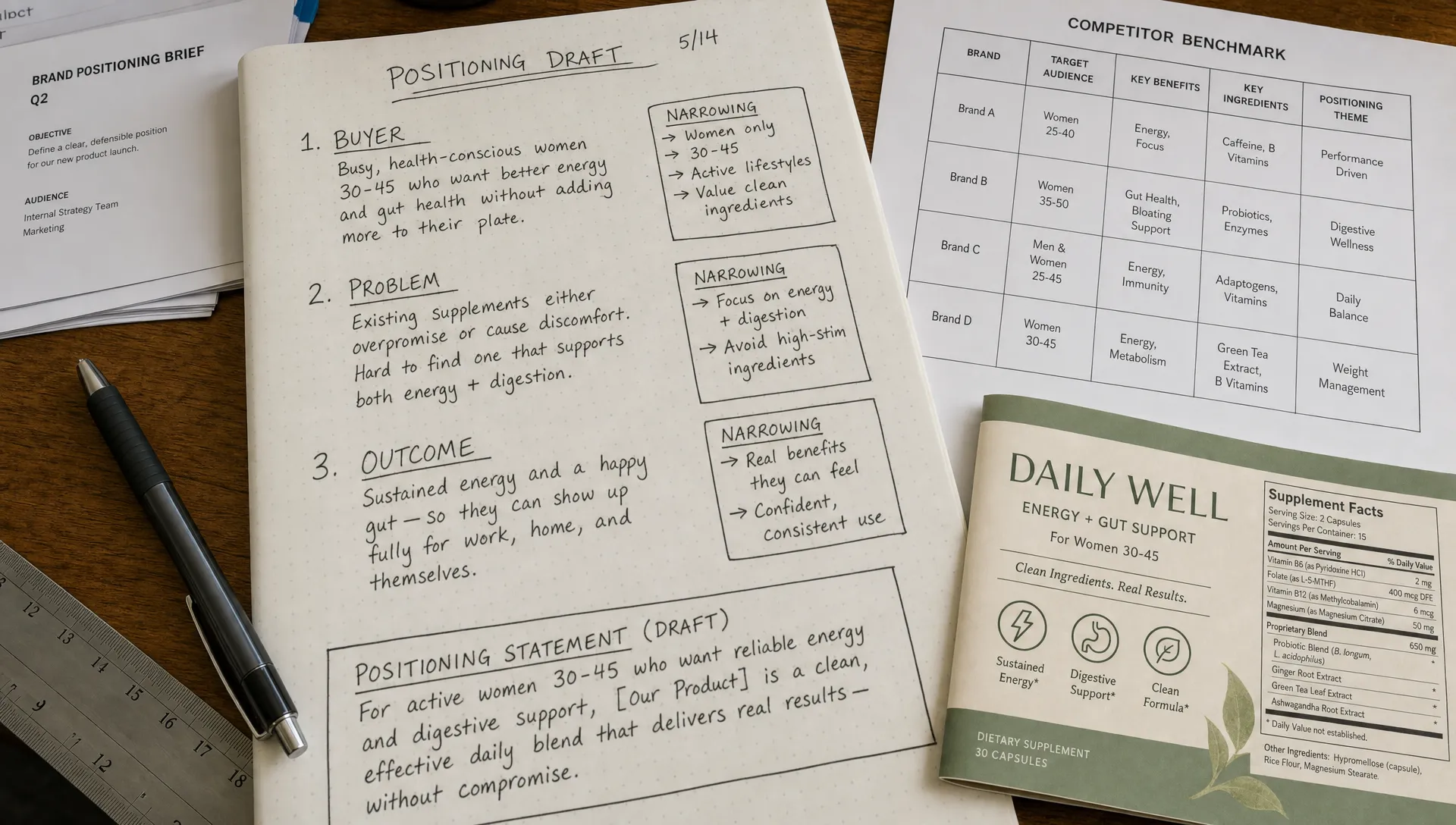
Finally, founders often confuse PR with positioning. A PR agency can sharpen your story, but it should not be the first time your brand strategy is defined. If the audience, offer, message, and category point of view are still unclear, a strategic growth process may need to come first. OPTYO’s breakdown of how a marketing strategy agency builds smarter growth explains why strategy has to connect business economics, audience, creative, and funnel execution.
A Practical Framework: PR Now, Later, or Not Yet
PR is likely a good move now if you have a differentiated story, strong product proof, a major launch or milestone, enough budget to support both PR and core growth channels, and a team ready to act on opportunities.
PR is likely better later if you are still refining positioning, improving conversion rate, building repeat purchase, developing creative, or stabilizing acquisition costs. In this case, prepare the foundation now so PR can work harder when the moment is right.
PR may not be necessary if your current growth path is driven mainly by performance marketing, retail execution, marketplace optimization, community, partnerships, or SEO, and you do not yet have a clear reason media coverage would change business outcomes.
The decision should come down to leverage. Where will the next dollar and the next hour create the most learning, demand, or revenue?
Frequently Asked Questions
Is a PR agency worth it for a startup? A PR agency can be worth it for a startup with a strong story, credible proof points, and a clear launch or reputation goal. It is usually less effective when the startup is still searching for product-market fit or needs immediate revenue from every marketing dollar.
How long does PR take to show results? PR often takes several months to build momentum. Some campaigns can generate quick wins around launches or timely news, but lasting impact usually comes from consistent outreach, strong storytelling, and coordinated use of earned media across other channels.
Can PR replace paid advertising? PR should not usually replace paid advertising for ecommerce brands. PR builds credibility and awareness, while paid advertising provides faster testing, targeting, and revenue feedback. The two are strongest when they work together.
What should I measure when working with a PR agency? Measure outlet relevance, message quality, referral traffic, backlinks, branded search lift, assisted conversions, retail or investor interest, and how press assets improve paid, owned, and sales channels. Avoid judging PR only by impressions.
When should an ecommerce brand avoid hiring a PR agency? An ecommerce brand should wait if its website does not convert, its positioning is unclear, its budget is too tight, or its team cannot respond quickly to opportunities. In those cases, foundational growth work should come first.
Build the Growth System Before You Amplify It
A PR agency can open doors, build credibility, and give your brand cultural relevance. But PR works best when there is already something strong to amplify.
For sports, fitness, wellness, and CPG brands, the real advantage comes from connecting story with performance. Press should support a larger system that includes positioning, creative testing, paid acquisition, ecommerce optimization, retention, and clear reporting.
If you are trying to decide whether PR, performance marketing, creative, CRO, or strategy should come next, OPTYO helps emerging brands identify the highest-leverage path to scale. Visit OPTYO to explore how a growth-focused sports marketing agency can help turn attention into measurable momentum.