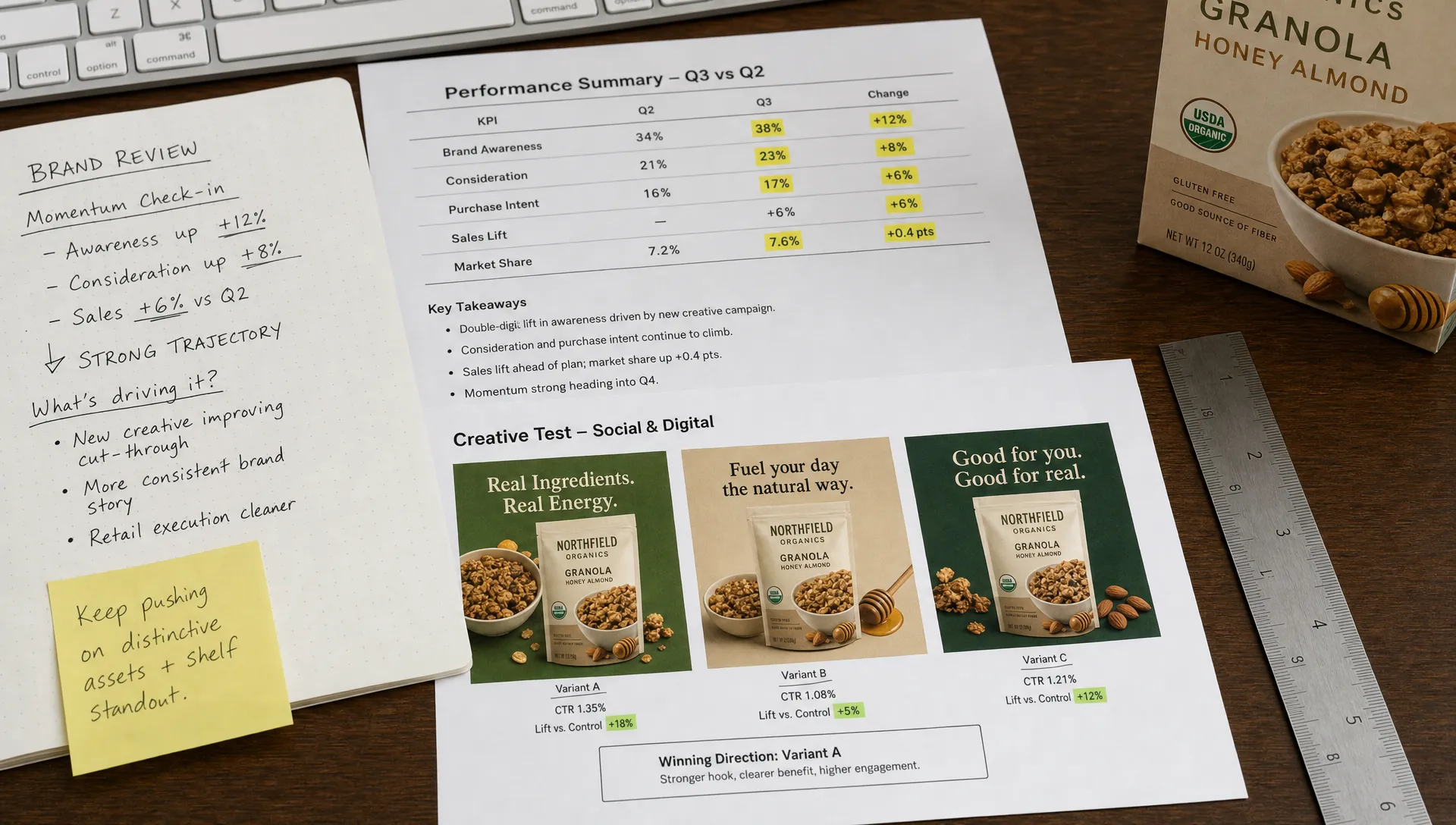
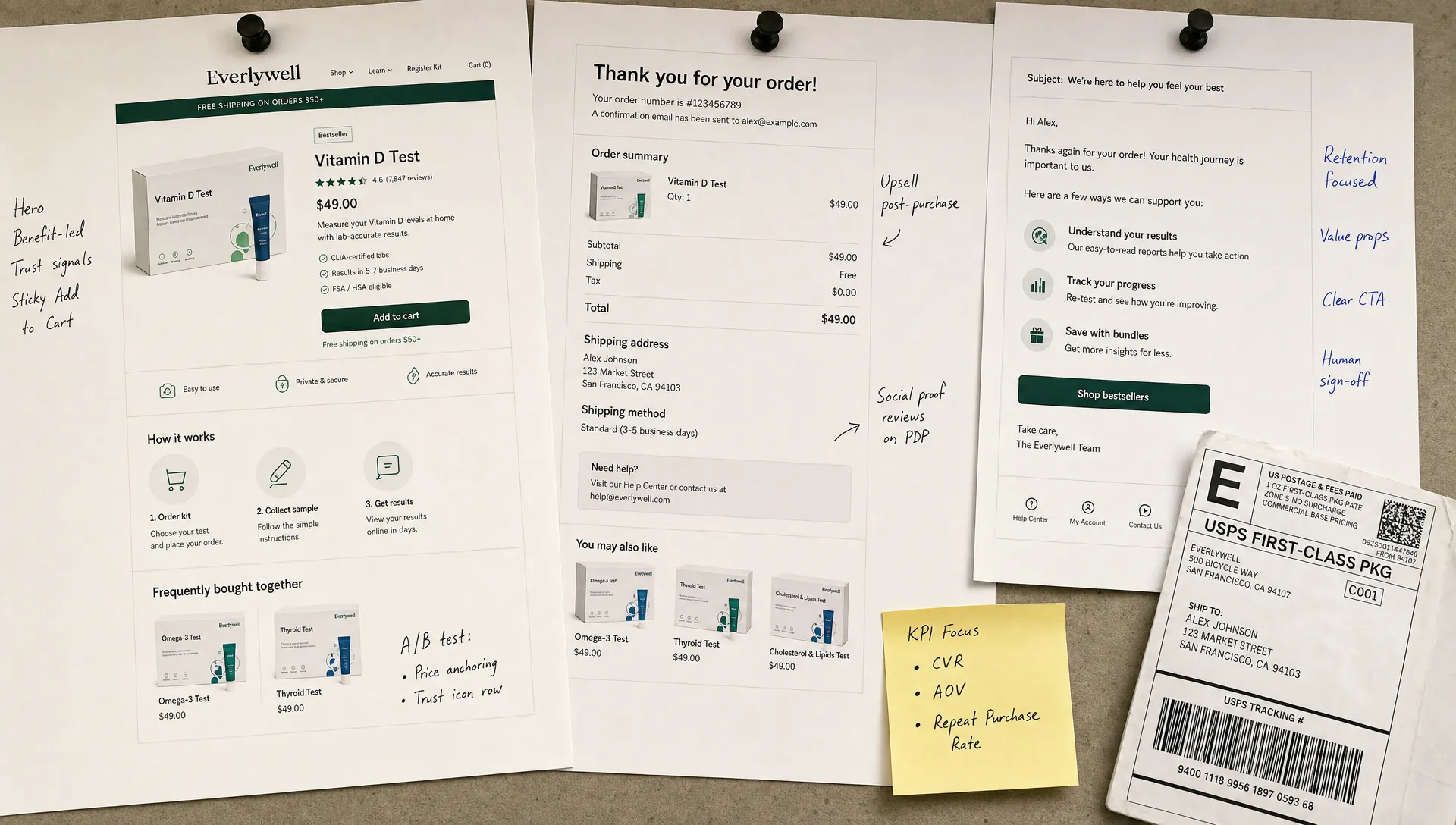
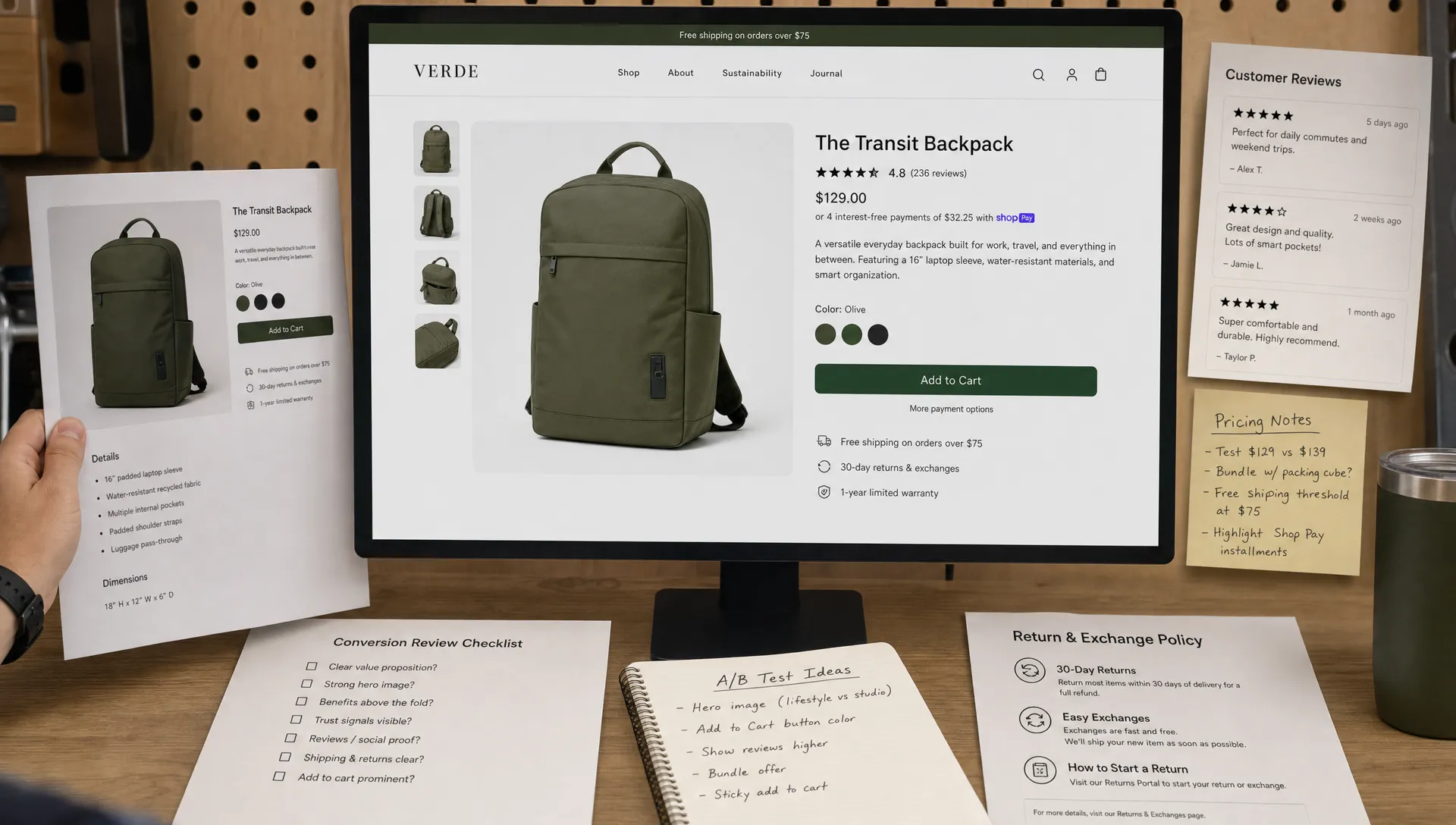
.png)




Emerging consumer brands rarely fail because they chose the “wrong” channel. More often, they fail because every channel is treated like a shortcut to revenue before the brand understands how customers discover, evaluate, buy, and repurchase the product.
That is the core challenge of channel marketing. A D2C fitness brand may run Meta ads, recruit creators, test Amazon, build email flows, pitch specialty retailers, and show up at events, but without a clear role for each channel, the result is usually scattered spend, inconsistent messaging, and a messy customer experience.
The best channel marketing strategies are not about being everywhere. They are about creating a focused mix of channels that match your stage, margin structure, audience behavior, and operational capacity. For emerging consumer brands, especially in sports, fitness, wellness, apparel, supplements, and CPG, that discipline can be the difference between controlled growth and expensive chaos.
What channel marketing means for emerging brands
Channel marketing is the strategy of reaching, converting, and retaining customers through the right mix of distribution and communication channels. For consumer brands, that can include your ecommerce site, paid social, organic social, email, SMS, search, creators, affiliates, marketplaces, retail, wholesale, events, gyms, studios, clinics, teams, clubs, and strategic partners.
A channel is not just a place where you promote. It is a path between your brand and your customer.
For an established brand, adding channels can be a scale lever. For an emerging brand, adding channels too quickly can dilute focus. Every new channel adds complexity: creative needs, margin implications, inventory planning, customer service questions, attribution challenges, and fulfillment expectations.
That is why channel marketing should start with a simple question: what job should this channel do for the business right now?
Some channels are best for demand creation. Others are better for trust, conversion, retention, or geographic expansion. When brands understand those roles, they can avoid judging every channel by the same metric and build a healthier growth system.
Start with channel-market fit
Before a brand commits budget to a channel, it needs channel-market fit. This means the channel aligns with how the target customer already discovers, researches, and buys products in your category.
A premium running recovery product may perform well through coaches, clinics, creator education, SEO, and retargeting because customers need context before purchase. A lower-priced hydration product may scale faster through paid social, retail sampling, subscriptions, and marketplace visibility. A niche combat sports apparel brand may need a mix of gym partnerships, fighters, community events, and ecommerce before mass retail makes sense.
Channel-market fit depends on several factors:
- Purchase frequency : Does the product lend itself to repeat purchases, subscriptions, replenishment, or seasonal drops?
- Average order value : Can the channel support profitable acquisition after fees, discounts, shipping, and creative costs?
- Education requirement : Does the customer understand the product immediately, or do they need proof, demonstrations, reviews, and comparisons?
- Trust barrier : Is the category sensitive to quality, performance, ingredients, sizing, safety, or certification?
- Audience behavior : Where does the customer already spend attention, seek advice, and make purchase decisions?
This is closely connected to your broader launch and growth plan. If the fundamentals are still unclear, a focused go-to-market strategy for D2C brands should come before adding more channels.
Give every channel a clear role in the funnel
Emerging brands often ask, “Which channel has the best ROAS?” That question is too narrow. ROAS matters, but it does not explain whether a channel is creating demand, harvesting existing intent, nurturing buyers, or retaining customers.
A better approach is to organize channels by funnel role.
Demand creation channels
These channels introduce the brand to people who may not be actively shopping yet. Paid social, short-form video, creators, podcasts, events, athlete partnerships, community activations, and PR often fall into this category.
The goal is not immediate conversion from every impression. The goal is to make the problem, product, and brand memorable enough that the customer enters your world.
For sports and wellness brands, demand creation is especially important because many purchases are identity-driven. Customers are not just buying a product. They are buying progress, performance, confidence, recovery, status, belonging, or a better version of themselves.
Consideration channels
These channels help customers evaluate whether your product is credible and relevant. SEO, product education pages, reviews, comparison content, creator demos, email welcome flows, UGC, press mentions, and retargeting all support consideration.
This is where many emerging brands underinvest. They spend to create attention, then send traffic to a product page that lacks proof, clarity, or objection handling. The result is high traffic and weak conversion.
Conversion channels
These channels turn intent into purchase. Ecommerce landing pages, paid search, shopping ads, marketplace listings, optimized product pages, abandoned cart flows, limited-time offers, bundles, and retail availability all play a conversion role.
Conversion channels work best when demand and trust already exist. If a brand relies only on conversion channels, it may capture a small pool of existing buyers but struggle to grow the market.
Retention channels
Email, SMS, subscriptions, loyalty programs, post-purchase education, community, referral programs, and replenishment reminders help increase lifetime value. For emerging consumer brands, retention is often the difference between a channel that looks unprofitable and one that becomes scalable over time.
A customer who buys once at a tight margin may still be profitable if the product experience, lifecycle marketing, and repurchase path are strong.
For a deeper view of how channels should work together across the journey, OPTYO’s breakdown of full-funnel thinking for direct to consumer brands is a useful companion to this framework.
Build owned channels before you overextend
Owned channels are the assets your brand controls directly, including your website, email list, SMS list, organic content library, customer data, and brand community. These channels may not always create the fastest spike in revenue, but they create long-term leverage.
For emerging brands, owned channels matter because paid acquisition costs can fluctuate, retailer terms can change, marketplaces can compress margin, and algorithms can shift. A strong owned foundation helps reduce dependence on any single platform.
Your ecommerce site should do more than display products. It should explain who the product is for, why it is different, how it works, what proof supports it, and what action the customer should take next. Product pages need clear benefits, strong imagery, reviews, sizing or usage guidance, FAQs, and frictionless checkout.
Email and SMS should not be treated only as discount tools. They are relationship channels. A strong lifecycle program can welcome new subscribers, educate hesitant buyers, recover abandoned carts, guide product usage, request reviews, promote replenishment, and reactivate lapsed customers.
SEO can also become an owned growth engine, especially for brands with educational categories. A wellness brand can build content around symptoms, routines, ingredients, and product comparisons. A fitness brand can create training, recovery, gear, and performance content. An apparel brand can rank for sizing, care, use cases, and sport-specific guides.
Owned channels give every other channel somewhere better to send attention.
Use paid media as a learning system, not just a sales channel
Paid social and paid search are still valuable for emerging consumer brands, but they should be used with realistic expectations. In early stages, paid media is not only a revenue driver. It is a testing environment for positioning, creative angles, offers, landing pages, and audience response.
The brands that get the most from paid media usually test structured hypotheses. Instead of launching random ads, they ask questions such as:
- Which customer problem creates the strongest response?
- Which product benefit is easiest to understand in three seconds?
- Which proof point reduces hesitation?
- Which offer improves conversion without destroying margin?
- Which landing page turns attention into action most efficiently?
Paid media becomes more scalable when insights flow back into the rest of the business. Winning hooks can shape website copy. High-performing creator clips can inform organic content. Common objections in ad comments can become FAQ sections. Landing page test results can improve retail sell sheets and marketplace listings.
This is why channel marketing should not be managed in silos. A paid campaign that “fails” on immediate ROAS may still reveal the message that unlocks another channel.
Turn creators and affiliates into performance partners
Creators can be powerful for emerging brands because they combine content, trust, and distribution. But creator marketing is often treated too casually. Sending free product to a large list of influencers is not a strategy.
The stronger approach is to segment creators by role. Some creators are awareness drivers because they have reach and cultural relevance. Others are educators because they can explain product benefits credibly. Some are conversion partners because they have a loyal audience that trusts their recommendations. Others are content producers whose assets can be used across ads, product pages, email, and organic social.
For sports, fitness, and wellness brands, authenticity matters. A strength coach, athlete, physical therapist, gym owner, nutritionist, or niche community leader may outperform a lifestyle influencer with a larger following but less relevance.
Affiliate programs can also work well when the economics are clear. Brands should define commission rates, discount codes, attribution windows, creative usage rights, compliance rules, and content expectations. The goal is to make the partnership valuable for both sides without over-discounting the brand.
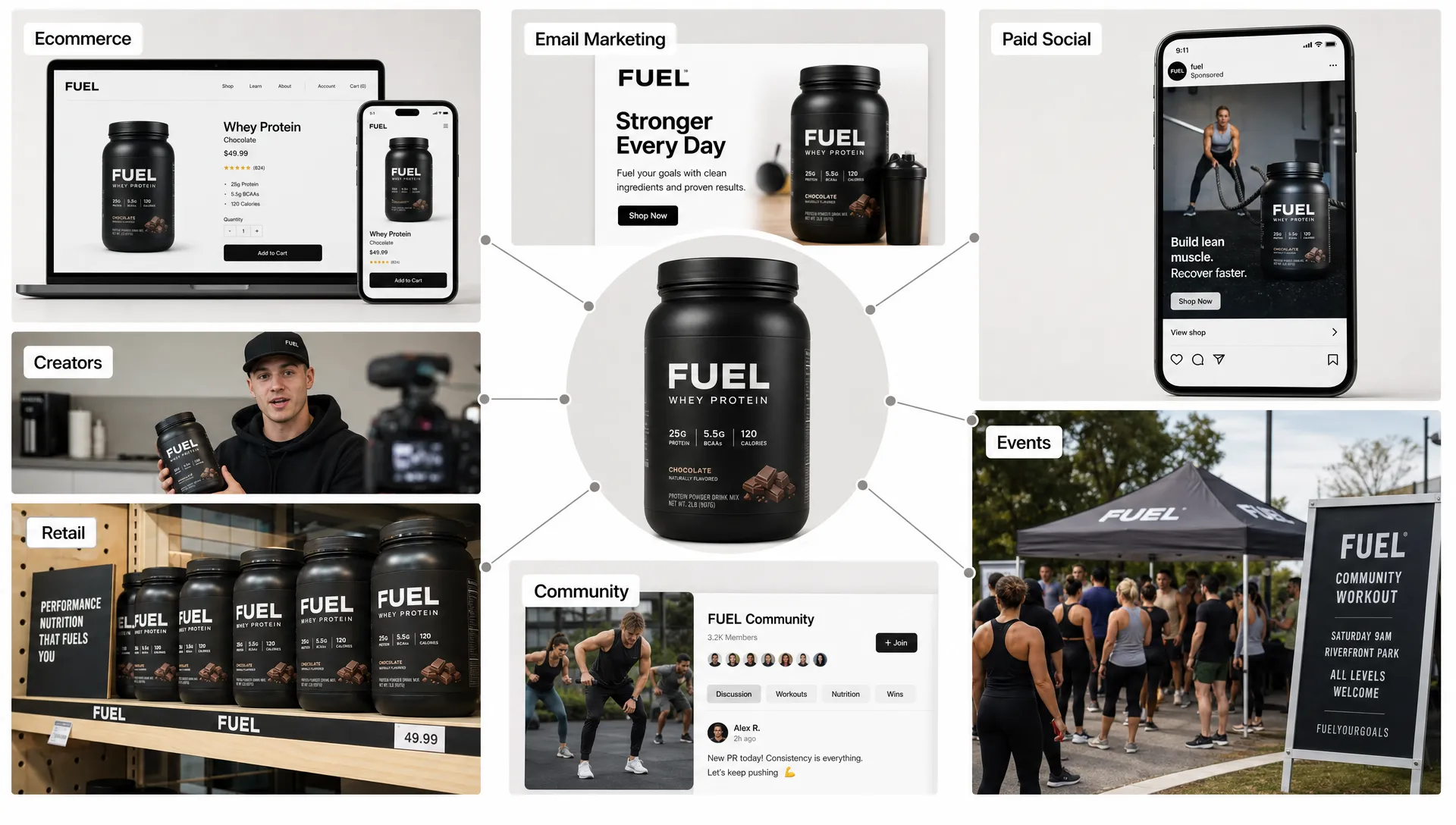
Choose retail, wholesale, and marketplaces carefully
Retail, wholesale, and marketplaces can accelerate distribution, but they also change the economics of the business. These channels can increase volume, credibility, and customer access, but they introduce fees, margins, inventory commitments, chargebacks, merchandising requirements, and operational demands.
For emerging brands, the question is not simply, “Can we get into retail?” It is, “Can we support retail profitably and use it to strengthen the brand?”
Specialty retail can be a strong fit for sports and wellness brands because it places the product near relevant customers. A recovery product in physical therapy clinics, a supplement in performance gyms, or a niche apparel line in martial arts academies may generate more qualified demand than broad retail too early.
Marketplaces like Amazon can be useful for capturing high-intent searches and giving customers a familiar buying path. But they can also reduce control over the brand experience and intensify price comparison. If a brand enters a marketplace, it should treat listings as conversion assets, not simple catalog uploads. Product titles, images, reviews, A+ content, FAQs, and inventory discipline all matter.
Wholesale also requires upstream readiness. A brand expanding into combat sports gear, for example, needs reliable product quality, custom branding, and production timelines before pitching gyms, distributors, or retailers. In that category, working with a specialized private label MMA apparel manufacturer can help support channel readiness by aligning production capabilities with the needs of fightwear, rash guards, uniforms, and branded team apparel.
The bigger point is that distribution channels should match operational maturity. If a channel creates demand you cannot fulfill consistently, it can damage the brand faster than it grows revenue.
Use partnerships to borrow trust and reach
Partnerships are one of the most underused channel marketing strategies for emerging consumer brands. The right partner can introduce your product to an audience that already trusts them.
For sports, fitness, and wellness brands, partnership opportunities may include gyms, studios, clinics, teams, leagues, coaches, events, races, tournaments, wellness practitioners, subscription boxes, corporate wellness programs, and complementary brands.
Good partnerships are built around audience overlap and mutual value. A hydration brand might partner with endurance events. A mobility brand might partner with physical therapists. A protein snack brand might partner with boutique fitness studios. A recovery apparel brand might partner with training facilities or athlete communities.
The strongest partnerships are not one-off logo swaps. They have a clear activation plan, such as sampling, co-branded content, email swaps, affiliate incentives, event presence, bundled offers, or limited-edition products.
Partnerships also work best when they create proof. A product used by respected coaches, stocked by credible gyms, or recommended by practitioners earns trust faster than a product relying only on self-promotion.
Match channel strategy to unit economics
Channel marketing can look exciting in a planning deck, but economics decide whether it scales. Every channel has a cost structure. Paid media has ad spend and creative costs. Retail has wholesale margins and trade requirements. Marketplaces have fees and competitive pressure. Creators have product costs, commissions, and management time. Events have booth fees, travel, staffing, and samples.
Before scaling a channel, brands should understand contribution margin, not just revenue. That means accounting for cost of goods, shipping, fulfillment, payment processing, discounts, returns, channel fees, commissions, and customer support.
A channel with lower initial margin may still be valuable if it drives high repeat purchase, strong brand awareness, or downstream sales through owned channels. But the brand needs a measurement model that captures those effects honestly.
This is where many emerging brands need more discipline. They either over-credit last-click revenue or dismiss upper-funnel channels too quickly. Neither view is complete.
A practical solution is to evaluate channels using both performance metrics and strategic metrics. Performance metrics include CAC, conversion rate, AOV, repeat purchase rate, payback period, and contribution margin. Strategic metrics include qualified traffic, email capture, retail sell-through, creator content volume, review growth, branded search lift, and customer feedback quality.
A channel deserves more investment when it improves business economics, produces usable learning, and strengthens the customer journey.
Create a 90-day channel marketing plan
Emerging brands do not need a 20-channel roadmap. They need a focused 90-day plan that creates learning and momentum.
The first step is to define the growth constraint. Is the brand lacking awareness, trust, traffic, conversion, repeat purchase, or distribution? The answer determines which channels deserve attention.
Next, choose two to four priority channels. For many D2C consumer brands, a strong early mix might include paid social for testing, email for lifecycle revenue, creators for proof and content, and SEO or partnerships for durable demand. A brand with strong local relevance might prioritize events and specialty retail instead.
Then, assign a role and metric to each channel. Paid social might test creative angles and acquire first-time customers. Email might improve first purchase and repeat purchase. Creators might generate content and qualified traffic. Retail might validate offline demand and build credibility.
Finally, set a learning agenda. The goal of the first 90 days is not just sales. It is to answer the questions that make the next 90 days smarter.
A simple 90-day plan may focus on:
- Weeks 1 to 2 : Audit the funnel, define the customer segments, clarify channel roles, and establish baseline metrics.
- Weeks 3 to 6 : Launch controlled tests across priority channels with consistent messaging and clear success criteria.
- Weeks 7 to 10 : Optimize based on creative performance, conversion data, customer feedback, and margin impact.
- Weeks 11 to 12 : Decide what to scale, pause, refine, or replace before the next planning cycle.
This planning rhythm keeps the team focused while still allowing enough room to learn.
Avoid the most common channel marketing mistakes
The biggest mistake emerging brands make is confusing more channels with more growth. Expansion should happen when the foundation is ready, not when the team is anxious.
Another common mistake is copying a competitor’s channel mix without understanding their economics. A brand with higher margins, larger budgets, stronger retention, or better retail terms can afford a channel that may be unsustainable for a newer company.
Brands also weaken channel performance by changing the message too much from one platform to another. The format should adapt, but the core positioning should remain consistent. Customers should feel the same brand promise whether they find you through an ad, creator, search result, product page, retail shelf, or post-purchase email.
Finally, many brands underinvest in creative operations. Channel growth requires a steady supply of platform-native assets: videos, images, landing pages, emails, product education, testimonials, UGC, and retail materials. Without a creative engine, even the best channel strategy slows down.
If your brand is ready to connect positioning, creative testing, funnel design, and channel selection, this guide on how to build a marketing strategy that actually scales expands on the operating system behind sustainable growth.
Frequently Asked Questions
What is channel marketing for consumer brands? Channel marketing is the strategy of using different sales and communication channels, such as ecommerce, paid media, email, creators, retail, marketplaces, and partnerships, to reach customers and grow revenue.
How many marketing channels should an emerging brand use? Most emerging brands should start with two to four priority channels. This creates enough learning without spreading budget, creative, and operations too thin.
Which channel is best for a new D2C brand? There is no universal best channel. The right choice depends on the product category, customer behavior, average order value, margins, purchase frequency, and how much education the product requires.
When should a brand expand into retail or wholesale? A brand should consider retail or wholesale when it has reliable supply, clear demand, strong packaging or merchandising, healthy margins, and the ability to support inventory and partner requirements.
How do you measure channel marketing performance? Measure both direct performance and strategic value. Track CAC, AOV, conversion rate, repeat purchase, contribution margin, payback period, email growth, branded search, creator content, reviews, and retail sell-through where relevant.
Build a channel mix that can actually scale
Channel marketing is not about chasing every trend. It is about building a growth system where each channel has a purpose, the customer journey feels connected, and the economics support scale.
For emerging consumer brands, the smartest path is usually focused and sequential. Clarify the audience, define the offer, strengthen owned assets, test demand channels, build proof, then expand distribution when operations and margins are ready.
OPTYO helps sports, fitness, wellness, D2C, and CPG brands connect performance marketing, creative, ecommerce, conversion optimization, email, SEO, and growth strategy into a more scalable system. If your brand is ready to turn scattered channel activity into a focused growth plan, visit OPTYO to explore how the right strategy can support your next stage of growth.