.png)



A company growth strategy fails when it is treated like a marketing calendar. More ads, more content, more launches, and more channels can create motion, but motion is not the same as momentum.
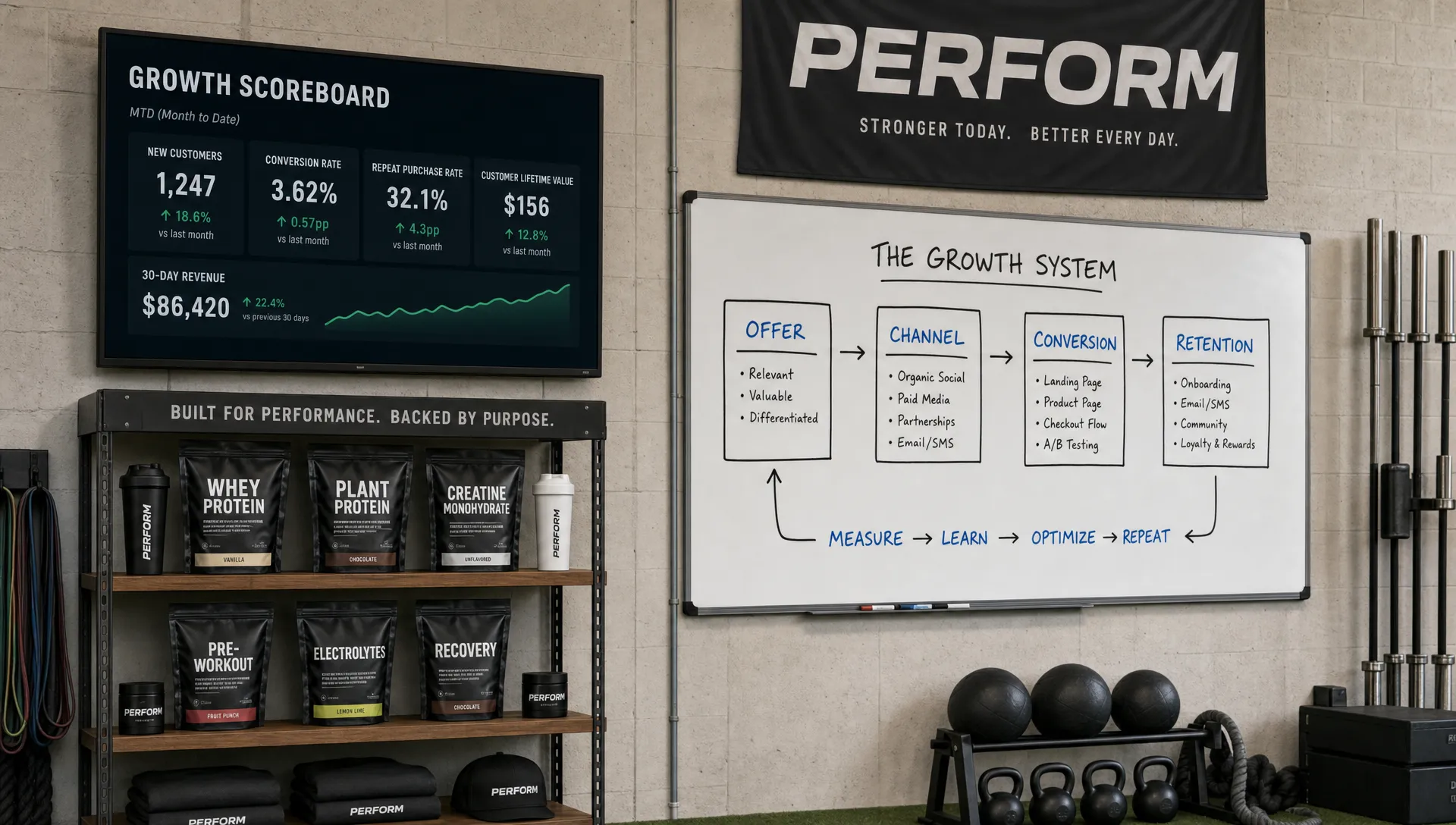
For ecommerce founders, especially in sports, fitness, and wellness, growth has to be built as a system. The brand needs a clear market position, strong unit economics, a compelling offer, a channel plan, a creative testing process, and an operating rhythm that turns data into decisions.
The companies that scale best are not always the ones with the biggest budgets. They are the ones that know where growth should come from, why customers should care, and how to repeat what works without breaking the business.
What Makes a Company Growth Strategy Different From a Marketing Plan?
A marketing plan explains how you will reach customers. A company growth strategy explains how the entire business will create, capture, and compound demand.
That difference matters. A brand can have strong ads and still struggle if margins are weak, the offer is unclear, the website leaks conversions, or customers never come back. Likewise, a brand can have a great product and still plateau if it lacks a reliable acquisition engine.
A strong company growth strategy connects the full picture:
- Who the company serves
- What problem or aspiration the brand owns
- Which products, offers, or categories will drive expansion
- How the business will acquire customers profitably
- How it will improve conversion and retention
- What metrics define success
- Who is accountable for execution
In other words, growth is not one department’s job. It is the result of alignment across brand, product, creative, performance marketing, operations, and finance.
Start by Defining “Good Growth”
Not all growth is worth chasing. Revenue can rise while cash flow gets worse. Customer count can increase while profitability declines. A viral campaign can create a spike that the brand cannot sustain.
Before choosing tactics, leadership needs to define what good growth means for the company’s current stage. For an early D2C brand, good growth may mean validating demand and finding a repeatable first channel. For a scaling CPG brand, it may mean improving contribution margin, increasing repeat purchase, or expanding into new retail and ecommerce channels without diluting the brand.
A useful definition of good growth usually includes four standards.
First, it should be profitable or on a clear path to profitability. Second, it should be repeatable, not dependent on one lucky campaign. Third, it should strengthen the brand’s position rather than confuse the market. Fourth, it should be operationally realistic, meaning the company can fulfill demand, support customers, and maintain quality.
If a growth strategy cannot pass those four tests, it is probably a short-term push rather than a durable strategy.
Clarify Where Growth Should Come From
Many companies say they want to grow, but they do not specify the source of that growth. That creates scattered execution. The team tries new ads, new influencers, new bundles, new markets, and new content all at once, without knowing which lever matters most.
A better approach is to identify the primary growth path for the next stage of the business. Most companies grow through some combination of these levers:
- More customers in the current market: Increasing acquisition through better targeting, creative, offers, and conversion.
- Higher order value: Improving bundles, upsells, product education, and merchandising.
- Better retention: Turning first-time buyers into repeat customers through product experience, email marketing, replenishment, and loyalty.
- New products or categories: Expanding the product line around a proven customer need.
- New channels: Moving into wholesale, marketplaces, SEO, paid search, affiliates, partnerships, or retail.
- New segments or geographies: Applying a proven model to a new audience or market.
The right path depends on the company’s data. If acquisition is expensive but repeat purchase is strong, the strategy may focus on improving paid media efficiency and conversion. If acquisition is working but customers do not return, retention and product experience need attention. If the market is responding but margins are thin, offer architecture and pricing may be the priority.
This is why a company growth strategy should be specific. “Grow revenue by 50%” is an outcome. “Increase repeat purchase, raise average order value, and scale paid social only when contribution margin stays above target” is a strategy.
Build Around a Sharp Customer and Category Position
Growth gets easier when the market understands who the brand is for and why it matters. This is especially true in sports, fitness, and wellness, where customers often buy based on identity, goals, routines, trust, and community.
A supplement brand is not just selling powder. A recovery brand is not just selling equipment. An athletic apparel brand is not just selling fabric. Each is selling a better version of the customer’s lifestyle, performance, confidence, or consistency.
The strategic question is: what should your company become known for?
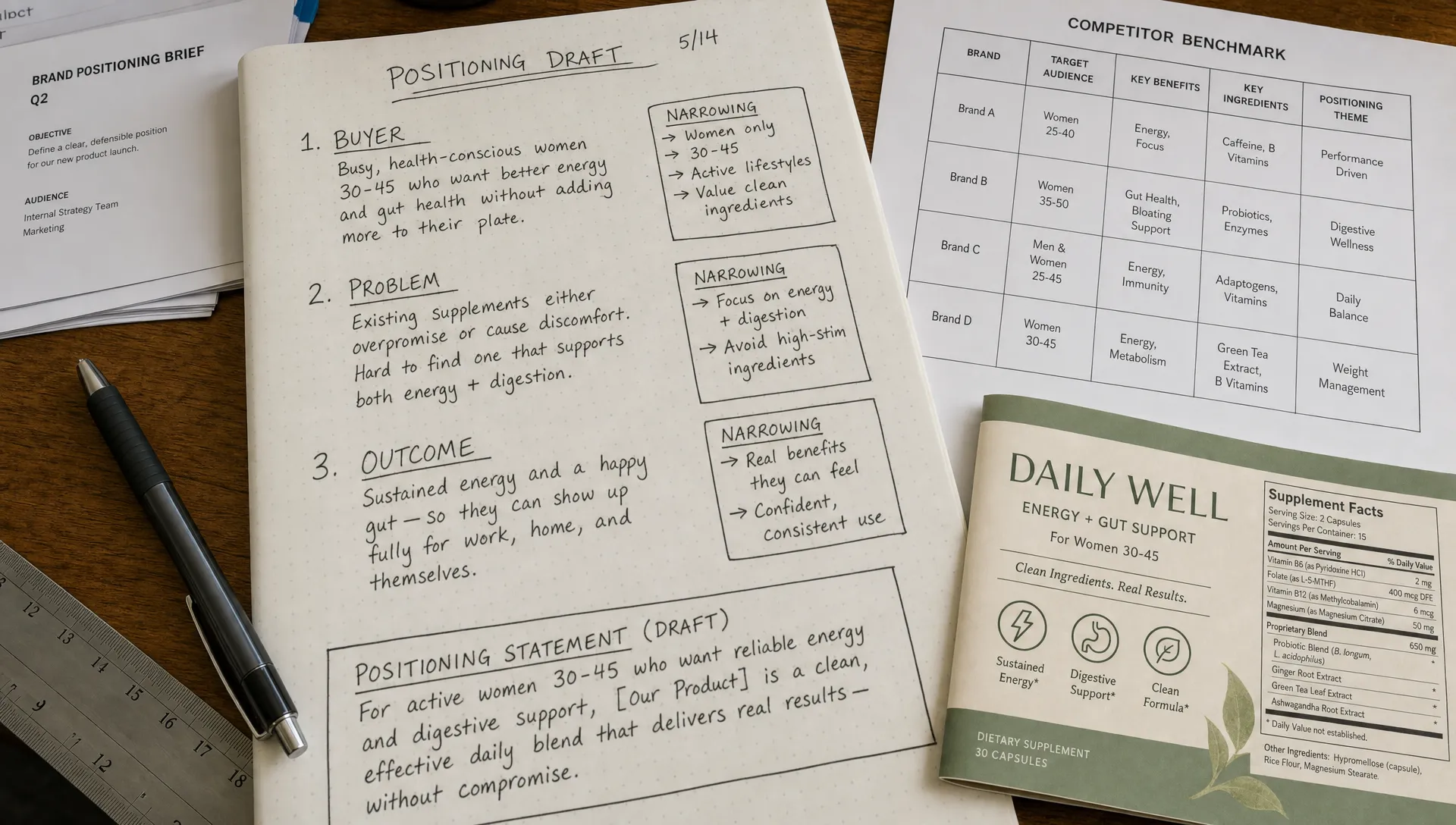
That answer should be narrow enough to be memorable and broad enough to support growth. A brand that tries to appeal to every active person may disappear in a crowded category. A brand that deeply understands a specific type of athlete, fitness enthusiast, parent, coach, or wellness customer can build stronger messaging and more efficient acquisition.
Clear positioning is not limited to ecommerce. Even outside consumer products, organizations such as Ons Plekske’s purpose-built day program show how defining a specific audience, activity mix, and desired outcome makes the value of an organization easier to understand.
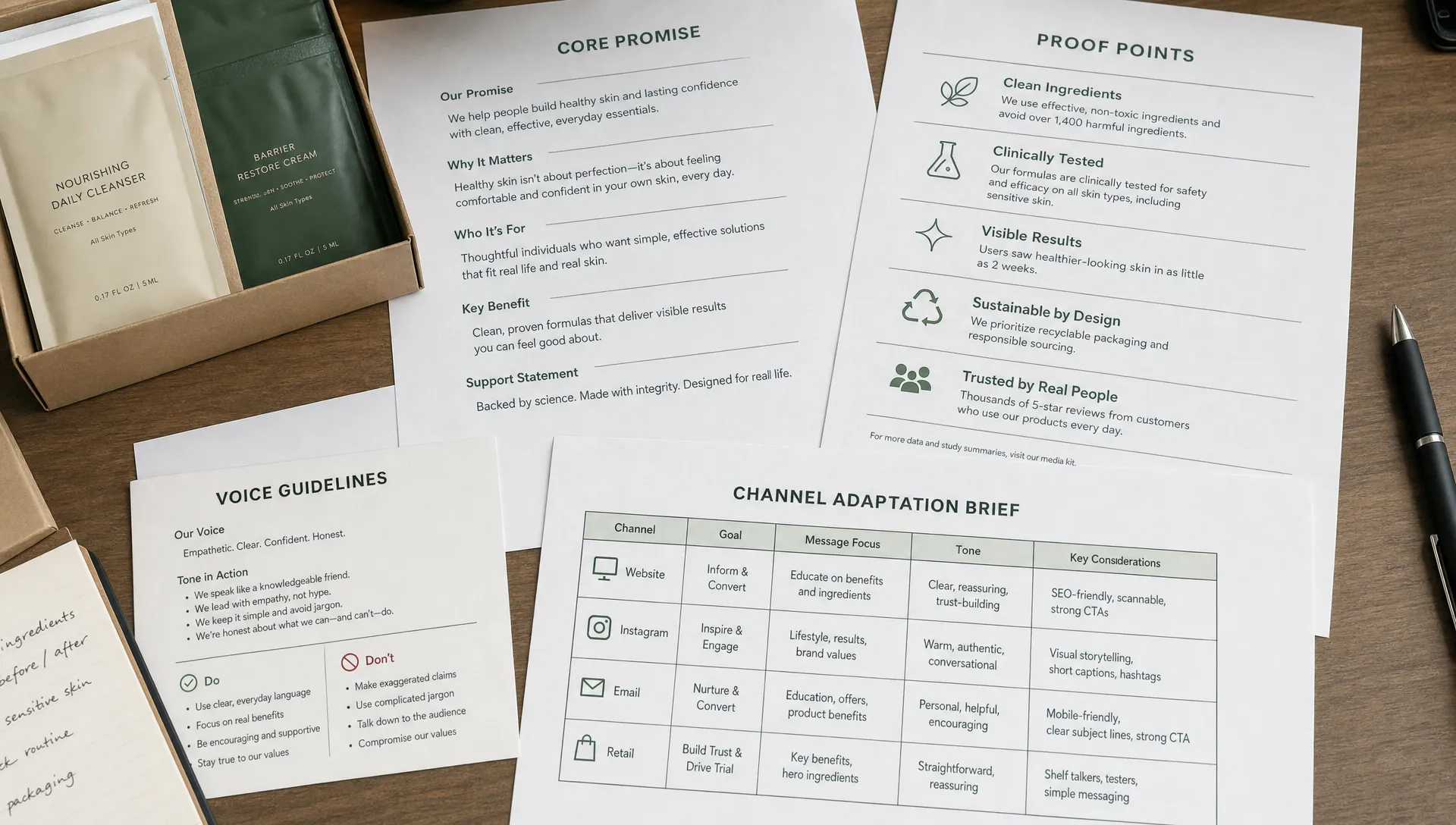
For ecommerce brands, positioning should shape product pages, ads, email flows, landing pages, packaging, and content. If your customer definition changes from channel to channel, the company will struggle to compound learning.
If you need a deeper ecommerce-specific breakdown, OPTYO’s guide to building a growth strategy for an ecommerce brand explains how customer definition, positioning, economics, channels, and creative testing work together.
Know the Economics Before You Scale Spend
A growth strategy without economics is just a wish. Founders often focus on top-line revenue because it is visible and exciting, but the numbers underneath determine how aggressively the company can scale.
The most important growth metrics vary by business model, but ecommerce teams should understand a few fundamentals:
- Gross margin: How much revenue remains after product costs.
- Contribution margin: How much remains after variable costs such as shipping, discounts, transaction fees, fulfillment, and ad spend.
- Customer acquisition cost: How much it costs to acquire a new customer.
- Average order value: How much customers spend per order.
- Repeat purchase rate: How often customers come back.
- Payback period: How long it takes to recover the cost of acquiring a customer.
- Lifetime value: How much gross profit or contribution profit a customer generates over time.
These numbers are not just finance metrics. They are strategic constraints. If your payback period is too long, you may not have enough cash to scale paid acquisition. If your average order value is too low, you may need stronger bundles or a more compelling first purchase offer. If your repeat purchase rate is weak, scaling traffic may only accelerate churn.
Strong growth strategies set boundaries. They define when to increase spend, when to pause, when to test new offers, and when to fix conversion before adding more traffic.
Create an Offer Customers Can Say Yes To
A great product can still underperform if the offer is weak. The offer is the complete buying proposition: product, price, bundle, guarantee, urgency, incentive, proof, and perceived value.
For sports and wellness brands, the offer should reduce hesitation and increase confidence. Customers may wonder whether the product will fit their routine, improve performance, taste good, last long enough, or justify the price. Your offer needs to answer those doubts before they become abandoned carts.
Effective offer architecture often includes a clear first-purchase path. This might be a starter bundle, trial size, hero product, subscription option, seasonal kit, or goal-based package. The best choice depends on the product category and customer behavior.
The key is to avoid random discounting. Discounts can help conversion, but they can also train customers to wait, damage margin, and weaken perceived value. A stronger strategy uses offers to increase confidence and order value, not just to cut price.
For example, a recovery brand may bundle complementary products around a specific use case. A nutrition company may educate customers on a 30-day routine rather than simply pushing a one-time purchase. A fitness apparel company may merchandise by activity, weather, or training goal to make the buying decision easier.
Choose Channels Based on Evidence, Not Preference
Every founder has channels they like. Some love paid social. Some want SEO. Some believe influencers are the answer. Others want to jump into retail or wholesale as soon as possible.
A company growth strategy should not start with channel preference. It should start with customer behavior, economics, and proof.
Paid social can be powerful when the product is visual, the offer is clear, and creative testing is strong. Search can work well when demand already exists and customers are comparing options. SEO can compound over time when the brand has useful expertise and patience. Email marketing can improve retention and conversion when the customer journey includes education, replenishment, or community. Partnerships can unlock credibility when trust is a major purchase factor.
The mistake is trying to scale every channel before one or two are truly working. Emerging brands usually need focus. A simple rule is to prove a channel before expanding it. That means defining the target customer, testing messages, measuring conversion quality, and understanding whether the customers acquired through that channel actually come back.

Channel strategy should also account for creative capacity. Paid social, for example, is not just a media buying channel. It requires a steady flow of hooks, angles, formats, testimonials, lifestyle content, product demonstrations, and landing page alignment. Without creative output, even strong media buying will plateau.
Build a Creative Learning System
Creative is one of the biggest growth levers for modern ecommerce brands. It is also one of the most misunderstood.
Creative testing is not about guessing which ad looks best. It is about learning which customer motivations, objections, use cases, and proof points drive action. Over time, those learnings should improve not only ads, but also product pages, emails, landing pages, packaging, and brand messaging.
A good creative system answers questions like:
- Which customer problem gets the strongest response?
- Which product benefit is easiest to understand?
- Which proof point creates trust?
- Which use case increases purchase intent?
- Which objections stop customers from buying?
- Which format works best for each channel?
For sports, fitness, and wellness brands, creative should often show the product in context. Customers want to see how it fits into a training routine, recovery moment, meal plan, competition day, outdoor activity, or daily wellness habit. The more naturally the product fits the customer’s life, the easier it is to believe.
The output of creative testing should be documented. If learnings live only in ad accounts or team conversations, the company loses institutional knowledge. A growth strategy succeeds when each test makes the next test smarter.
Improve Conversion Before Pouring in More Traffic
If the website cannot convert, more traffic simply exposes the weakness faster. Conversion rate optimization is not a cosmetic exercise. It is a growth strategy lever because it increases the value of every visitor and every dollar spent on acquisition.
For ecommerce brands, conversion improvements often come from reducing friction and increasing confidence. Product pages should answer the customer’s most important questions. Reviews, ingredients, sizing, materials, shipping details, return policies, usage instructions, and guarantees should be easy to find when relevant.
The checkout path should feel simple. The mobile experience should be fast and intuitive. Landing pages should match the promise of the ad or search result that brought the customer there. If a customer clicks because of a specific benefit, the page should reinforce that benefit immediately.
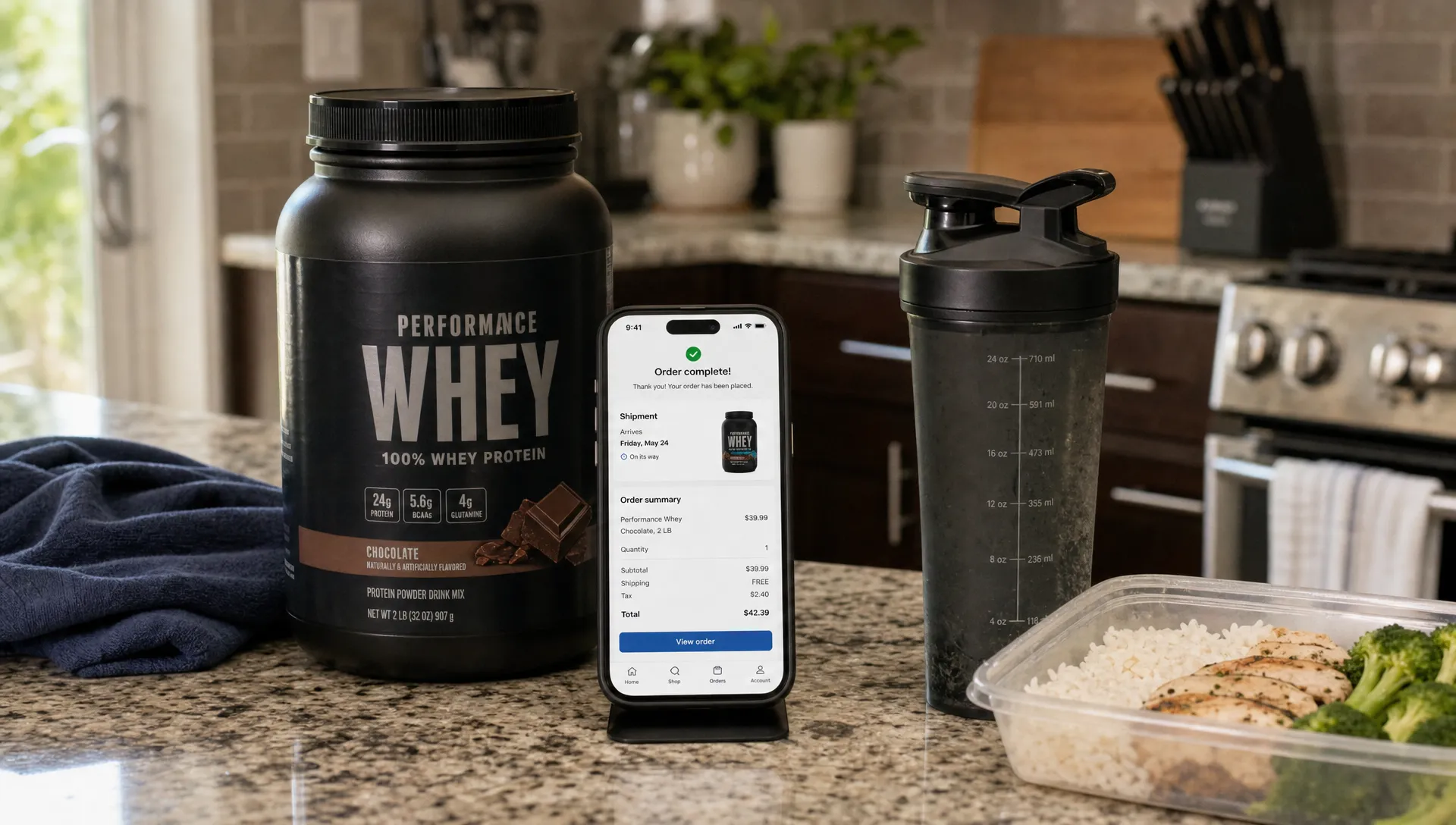
Retention is equally important. First-time purchases are expensive. If the customer never returns, the brand has to keep buying demand from scratch. Email marketing, post-purchase education, replenishment reminders, product recommendations, and community content can all improve the economics of growth.
For a deeper look at the profit side of scaling, OPTYO’s article on business strategies for growth that improve profitability explores how contribution margin, offers, conversion, and retention shape sustainable expansion.
Turn Strategy Into an Operating Rhythm
A company growth strategy only works if it changes how the team operates. A polished deck is not enough. The company needs a cadence for planning, execution, measurement, and decision-making.
This is where many growth strategies break down. Leadership agrees on the direction, but the weekly workflow does not change. Creative tests are delayed. Reporting is inconsistent. Channel owners optimize for different goals. Product launches happen without enough customer insight. The team reacts to last week’s results instead of learning from patterns.
A strong operating rhythm includes a few practical habits.
Weekly reviews should focus on the metrics that matter most, not every possible dashboard number. Monthly reviews should connect performance back to the broader strategy. Quarterly planning should decide what to double down on, what to stop, and what new bets deserve resources.
Ownership also needs to be clear. Someone must be accountable for channel performance, someone for creative output, someone for conversion improvements, someone for retention, and someone for financial targets. In a small company, one person may own several areas, but the responsibilities still need to be explicit.
The goal is not to create bureaucracy. The goal is to make growth less dependent on founder intuition and more dependent on a repeatable system.
Avoid the Warning Signs of a Weak Growth Strategy
A weak strategy often looks busy from the outside. The team is launching campaigns, testing ads, posting content, updating the website, and trying partnerships. But underneath, there is no coherent system.
Common warning signs include:
- The company cannot explain its ideal customer in specific terms.
- Growth goals are based on revenue only, not margin or cash flow.
- Paid media spend increases without clear payback targets.
- Creative testing is random rather than tied to customer insights.
- The website receives traffic but conversion problems are not prioritized.
- Retention is treated as an afterthought.
- Reporting shows activity but does not drive decisions.
- Every channel is considered a priority.
If several of these problems sound familiar, the company probably does not need more tactics yet. It needs a better growth architecture.
What to Prioritize in the Next 90 Days
A company growth strategy can feel overwhelming, but the first 90 days do not need to solve everything. The goal is to create clarity, fix the biggest constraints, and build a stronger learning loop.
Start by auditing the current business. Look at margins, acquisition costs, conversion rate, average order value, repeat purchase, best-selling products, customer reviews, and channel performance. Identify the biggest bottleneck. Is the brand struggling to attract the right customers, convert them, make money on the first order, or bring them back?
Next, sharpen the customer and offer. Update messaging based on what customers actually care about. Improve the first-purchase experience. Strengthen product pages and landing pages. Build creative tests around clear hypotheses rather than random concepts.
Then, choose a limited number of growth bets. For many emerging ecommerce brands, this may mean focusing on one acquisition channel, one conversion project, and one retention initiative. That level of focus creates better learning than spreading the team across ten half-executed ideas.
Finally, set a reporting cadence. Decide which metrics will be reviewed weekly and which decisions those metrics should inform. If a metric does not change a decision, it may not belong in the main growth scorecard.
The Role of the Right Growth Partner
Some brands can build this system internally. Others need outside support because growth requires multiple disciplines at once: strategy, creative, paid media, SEO, ecommerce development, conversion optimization, email marketing, and KPI reporting.
The right partner should not simply execute tasks. They should help connect the company’s goals to the right growth levers, identify constraints, prioritize initiatives, and build a system that improves over time. If you are evaluating support, it is worth understanding what a growth agency should deliver for emerging brands before choosing a partner.
For sports, fitness, and wellness brands, this alignment is especially important. The market is competitive, customer trust matters, and category trends shift quickly. Growth depends on performance and brand working together, not competing for attention.
Frequently Asked Questions
What is a company growth strategy? A company growth strategy is a plan for how a business will expand in a sustainable way. It connects customer positioning, products, pricing, marketing channels, conversion, retention, operations, and financial goals into one system.
Why do company growth strategies fail? They often fail because they focus on tactics before fundamentals. If the company does not understand its customer, economics, offer, channel fit, or operational constraints, more marketing activity will not create sustainable growth.
What metrics should a growth strategy track? Ecommerce brands should usually track revenue, gross margin, contribution margin, customer acquisition cost, conversion rate, average order value, repeat purchase rate, payback period, and customer lifetime value. The right scorecard depends on the company’s stage and business model.
How often should a company update its growth strategy? The broad direction may hold for a year or more, but execution should be reviewed weekly, monthly, and quarterly. A good strategy stays stable enough to guide decisions while adapting as new data becomes available.
Is growth strategy only about marketing? No. Marketing is a major part of growth, but it is not the whole system. Product quality, margins, operations, customer experience, retention, creative, and leadership decisions all affect whether a company can scale.
Build a Company Growth Strategy That Can Actually Scale
A successful company growth strategy is not built around one hack, channel, or campaign. It is built around clear choices: who you serve, what you want to be known for, how you make money, which levers matter most, and how your team will execute consistently.
For ecommerce brands in sports, fitness, and wellness, OPTYO helps connect performance marketing, creative, ecommerce development, conversion rate optimization, email marketing, SEO, KPI reporting, and growth consulting into a more focused path to scale.
If your company is ready to move from scattered growth tactics to a clearer system, start by evaluating the fundamentals. The brands that win are not just louder. They are sharper, more disciplined, and better aligned around what growth really requires.