.png)




Email is often treated like a separate channel, something brands “turn on” after ads, content, and product launches are already planned. That is a mistake. For ecommerce brands, especially in sports, fitness, and wellness, email works best when it is connected to every part of marketing: acquisition, creative, website experience, retention, and measurement.
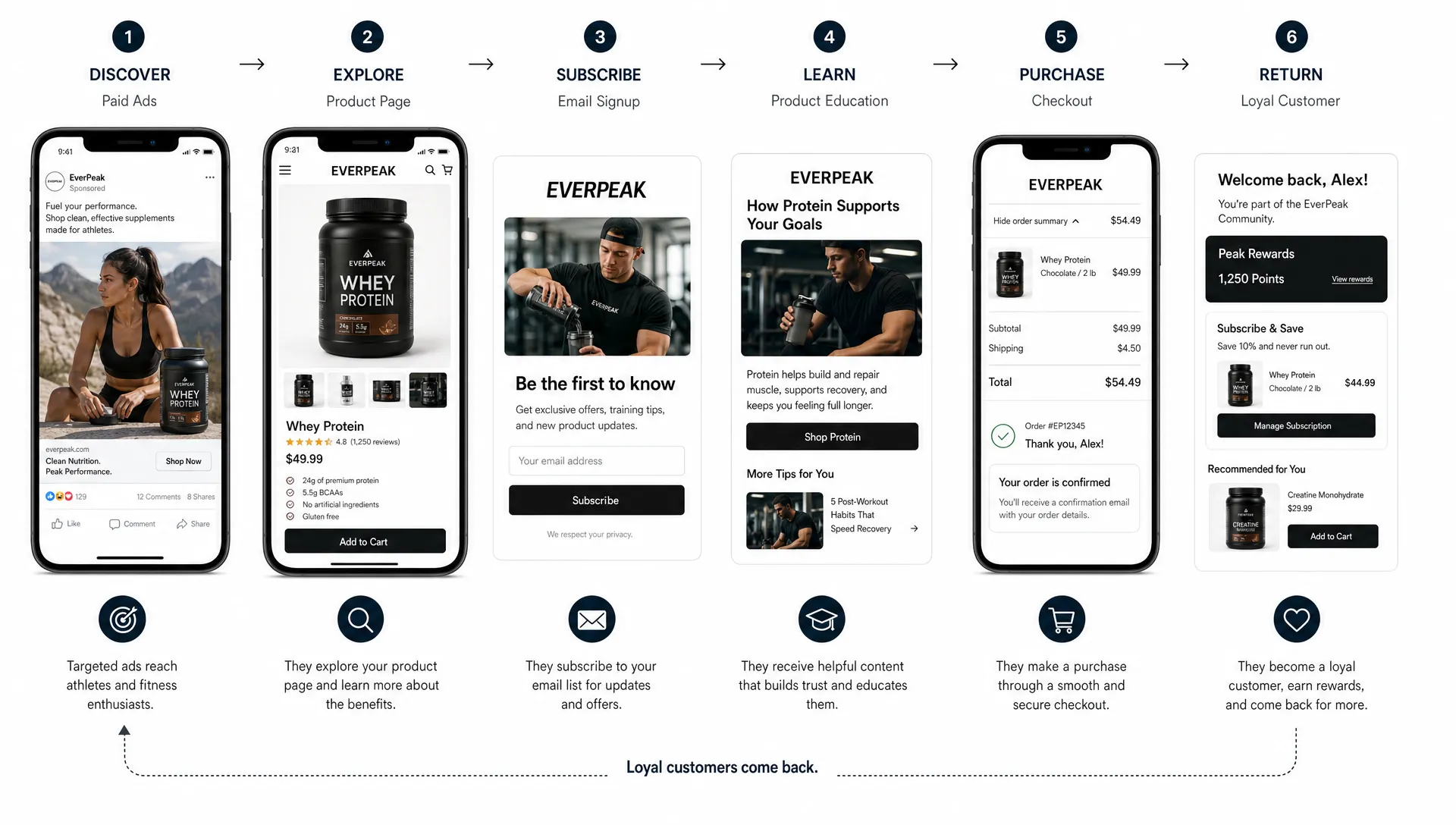
When email and marketing work together, the customer journey feels more consistent. A shopper sees a paid social ad, lands on a product page, joins a list, receives useful education, comes back to buy, gets support after purchase, and eventually buys again. Each touchpoint reinforces the last.
When they do not work together, the journey feels fragmented. Ads promote one message, email says something else, the website does not match either, and the brand ends up paying to acquire traffic it does not retain.
For entrepreneurs and ecommerce operators, the goal is not to “send more emails.” The goal is to build a marketing system where email captures demand, nurtures trust, improves conversion, and increases customer lifetime value.
Why Email Should Not Sit Outside Your Marketing Strategy
Email is not just a retention tool. It is a bridge between the attention you buy, the audience you earn, and the revenue you keep.
Paid social, search, influencer campaigns, SEO, events, and partnerships all create awareness. But awareness is fragile. Many shoppers do not buy the first time they discover a product, especially if the product requires education, habit change, or a higher price point. This is common in fitness equipment, supplements, wellness products, performance apparel, and recovery tools.
Email gives your brand a way to continue the conversation after that first interaction. Instead of relying on a shopper to remember your brand days or weeks later, you can guide them with relevant content, offers, product education, and social proof.
This matters because most marketing traffic is not ready to convert immediately. A strong email system helps you turn that traffic into owned audience growth. It also gives you first-party data that can improve the rest of your marketing, from ad creative to product positioning.
If you are still choosing your tech stack, OPTYO’s guide to the best marketing email platforms for ecommerce brands can help you compare options with the needs of D2C brands in mind.
How Email Strengthens Acquisition Channels
Customer acquisition is expensive when every sale depends on a single ad click. Email changes the economics by giving acquisition channels a second job: not only driving purchases, but also growing an owned list.
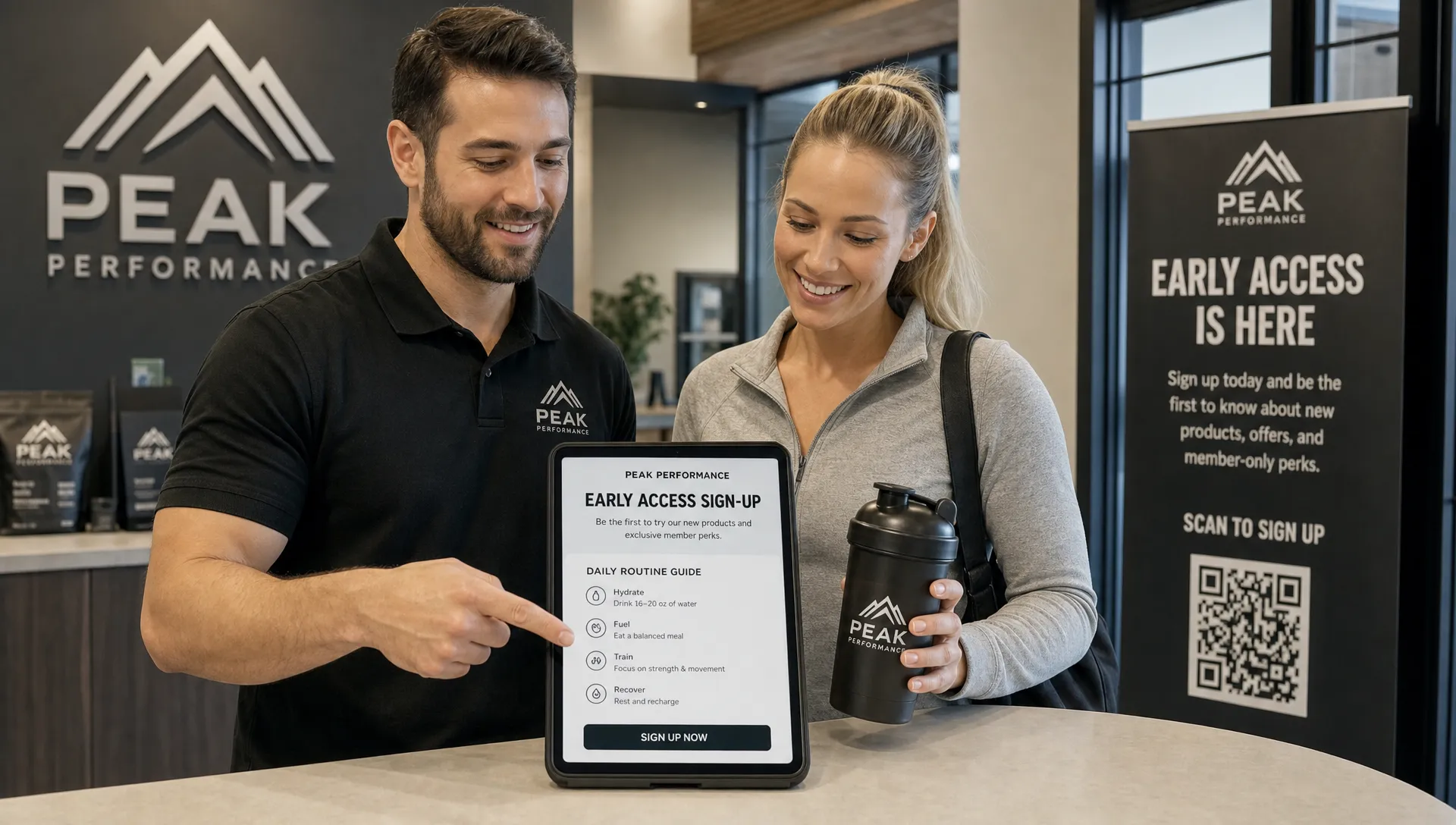
A paid ad campaign, for example, might promote a product directly to warm buyers. But it can also send colder traffic to a quiz, challenge, training guide, nutrition checklist, size guide, or early access signup. That list-building step creates an asset the brand can continue marketing to without paying for every impression again.
This is where email and marketing become more efficient together. Your ads generate qualified attention. Your landing page captures intent. Your email flows nurture that intent. Your campaigns convert the subscriber when the timing, message, and offer are right.
A few examples make this clearer:
- A running apparel brand can use paid social to promote a “find your race-day kit” guide, then email subscribers based on climate, distance, or training goal.
- A supplement brand can use influencer traffic to drive a product education series before asking for a first purchase.
- A home fitness brand can offer a beginner workout plan, then send emails that connect the plan to relevant equipment bundles.
- A recovery brand can capture leads through content about soreness, sleep, or mobility, then nurture subscribers with proof, use cases, and customer stories.
In each case, email does not replace acquisition. It makes acquisition more profitable by increasing the number of ways a visitor can become valuable.
How Marketing Makes Email More Relevant
Email performs better when it is informed by the rest of your marketing. If your email team is disconnected from ads, content, creative, and customer research, campaigns become generic. They rely too heavily on discounts, seasonal promotions, or product announcements.
Marketing gives email the raw material it needs to be more persuasive:
- Ad testing reveals which hooks and benefits get attention.
- Website behavior shows where shoppers hesitate.
- SEO content reveals what customers are researching.
- Customer reviews surface language, objections, and outcomes.
- Influencer comments show what people are curious or skeptical about.
- Sales and support conversations reveal recurring questions.
When this information flows into email, messaging improves. Subject lines become more specific. Segments become more useful. Product education becomes more aligned with real objections. Campaigns stop sounding like isolated promotions and start feeling like part of a bigger brand experience.
This is especially important in sports and wellness, where customers often care about performance, trust, routines, and outcomes. They do not just want to know what a product is. They want to know how it fits their lifestyle, why it works, and whether it is right for their goals.
The Customer Journey Email Can Support
Email works best when it is mapped to the stages of the customer journey. A single newsletter calendar is not enough. Ecommerce brands need lifecycle emails that respond to customer behavior and marketing context.
The first stage is list growth. This includes popups, landing pages, lead magnets, quizzes, event signups, and account creation. The goal is to capture the right people with the right promise, not to collect low-intent emails that never engage.
The second stage is the welcome experience. This is where new subscribers learn what the brand stands for, what problems it solves, and why customers trust it. A welcome flow should not feel like a random coupon delivery system. It should introduce the brand’s point of view, best products, proof points, and next best step.
The third stage is conversion support. Browse abandonment, cart abandonment, quiz follow-ups, and product education emails help shoppers make decisions. These emails should answer objections, clarify value, and reduce uncertainty.
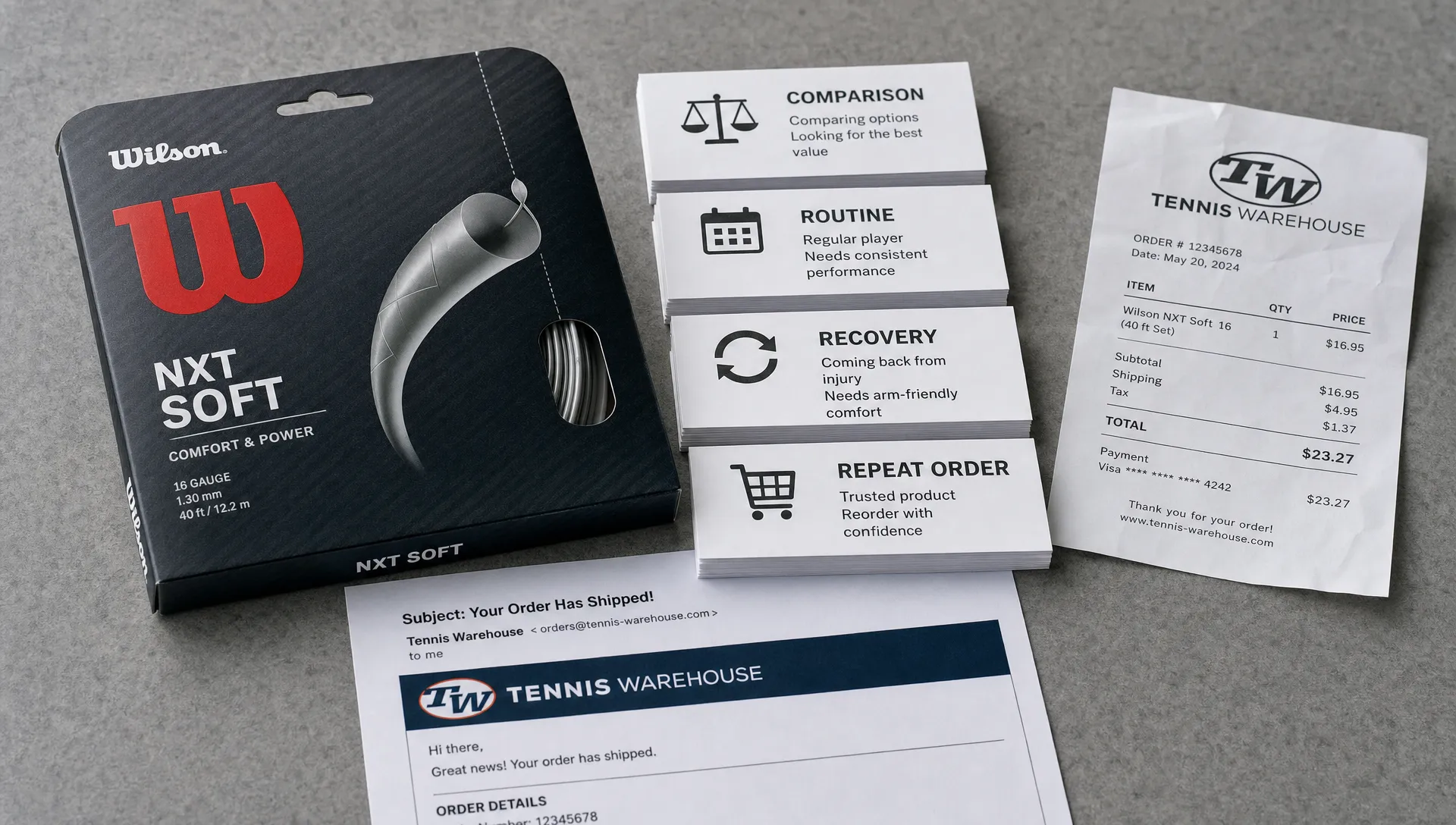
The fourth stage is post-purchase. This is where many brands underinvest. A strong post-purchase email system can reduce buyer’s remorse, teach customers how to use the product, set expectations, ask for reviews, and recommend the next purchase at the right time.
The fifth stage is retention. Replenishment reminders, loyalty messages, win-back emails, community updates, and educational content all help keep customers engaged after the first order. If you want a deeper look at this part of the funnel, OPTYO explains how a newsletter marketing agency grows repeat revenue through lifecycle strategy and segmentation.
Email Data Improves the Rest of Your Marketing
One of the biggest benefits of integrating email and marketing is the feedback loop. Email does not just send messages. It collects signals.
Open rates are less reliable than they used to be because of privacy changes, but clicks, conversions, unsubscribes, replies, quiz answers, product interest, and purchase behavior still reveal what your audience cares about. Those insights should influence your broader marketing decisions.
If a product education email gets high click-through but low conversion, the issue may not be demand. It may be pricing, offer structure, product page clarity, or lack of proof. If a specific customer story drives purchases, that angle may deserve a paid social test. If subscribers repeatedly click content about endurance, recovery, or strength, your content and ad strategy can reflect those interests.
This is how email becomes a research channel. It helps brands identify which messages deserve more investment and which assumptions need to be challenged.
For growing ecommerce companies, this feedback loop can influence:
- Paid ad creative concepts
- Landing page headlines
- Product bundles and offers
- SEO content topics
- Influencer briefs
- Customer segmentation
- Retention campaigns
The best brands do not treat email reporting as a standalone dashboard. They use it as a signal for the entire growth strategy.
Where Compliance and Trust Fit In
Email is powerful because it is direct. That also means it has to be handled responsibly. Brands need clear consent practices, accurate claims, easy unsubscribe options, and messaging that does not overpromise outcomes.
This is particularly important in wellness, supplements, fitness, and performance categories, where product claims can affect customer trust and regulatory risk. Marketing teams should work closely with legal, compliance, or qualified advisors when claims, contracts, or regulated topics are involved. In more specialized legal environments, professionals such as Diana Ordoñez Abogada show how focused legal guidance can help organizations identify risks before they become costly problems.
For ecommerce brands, the principle is simple: trust compounds. If your email program respects customer expectations, protects the brand’s reputation, and delivers genuine value, subscribers are more likely to stay engaged.
Common Mistakes When Email and Marketing Are Disconnected
Many brands have the tools to run email well but still struggle because the channel is not integrated with the broader marketing plan.
A common mistake is using email only for promotions. Discounts can drive short-term revenue, but overusing them trains customers to wait for deals. Strong email programs balance offers with education, community, proof, product guidance, and brand storytelling.
Another mistake is collecting emails without a plan. A popup that offers 10 percent off may grow a list, but if the follow-up is weak, that list will not create much value. List growth should connect to a clear welcome flow, segmentation strategy, and conversion path.
Brands also hurt performance when campaign timing is disconnected. If paid ads are promoting a new product launch, email should support that launch with pre-launch education, early access, product proof, FAQs, and post-launch follow-up. If email learns something valuable from customer clicks, paid and creative teams should know about it.
Finally, many brands measure email too narrowly. Revenue attributed to email matters, but it is not the whole story. Email may assist conversions that are credited to paid search, reduce support questions after purchase, increase repeat purchase rate, or improve the performance of a product launch. A smarter measurement approach looks at the total customer journey.
How to Make Email and Marketing Work Together
Integration does not require a complicated process. It requires shared planning, shared data, and shared goals.
Start with the campaign calendar. Product launches, seasonal moments, influencer pushes, content campaigns, sales periods, and paid media tests should be visible across teams. Email should not find out about a campaign after the creative is already approved.
Next, align messaging. The promise in an ad should match the landing page. The landing page should match the welcome flow. The welcome flow should match the product experience. Consistency builds confidence, while inconsistency creates friction.
Then, build segmentation around behavior. New subscribers, first-time buyers, repeat customers, inactive customers, high-intent browsers, and category-specific shoppers should not always receive the same message. Segmentation allows email to support the customer’s stage instead of blasting everyone with the same campaign.
Finally, review performance across channels. If paid acquisition costs are rising, email may help improve payback through stronger lead capture and retention. If conversion rate is weak, email behavior may reveal which objections need to be addressed. If repeat purchases are low, post-purchase and lifecycle flows may need more attention.
For brands that need a broader operating system for growth, OPTYO’s article on how a marketing strategy agency builds smarter growth explains how positioning, creative, conversion, retention, and measurement fit together.

What This Means for Ecommerce Entrepreneurs
For founders and lean teams, email can feel like one more task on an already crowded marketing checklist. But when integrated properly, it reduces pressure on the rest of the business.
Instead of needing every ad click to convert immediately, you can capture demand and nurture it. Instead of relying only on new customers, you can create more value from existing customers. Instead of guessing what your audience cares about, you can use email engagement and purchase data to guide decisions.
The practical question is not whether your brand should “do email marketing.” It is whether your email system is connected to how customers discover, evaluate, buy, use, and return to your products.
That connection is where growth becomes more durable.
Frequently Asked Questions
How do email and marketing work together? Email supports the broader marketing strategy by capturing leads, nurturing shoppers, converting traffic, supporting post-purchase education, and increasing repeat purchases. Marketing channels create attention, while email helps turn that attention into owned audience value.
Is email mainly for retention or acquisition? Email supports both. It helps retain existing customers through lifecycle campaigns, but it also improves acquisition by converting more website visitors into subscribers and giving paid traffic a lower-friction next step before purchase.
What types of ecommerce brands benefit most from email integration? Brands with education-heavy products, repeat purchase potential, strong communities, or higher-consideration purchases benefit significantly. This includes sports, fitness, wellness, supplement, apparel, recovery, and equipment brands.
What should an email strategy include besides newsletters? A strong email strategy should include list growth, welcome flows, browse abandonment, cart abandonment, post-purchase education, replenishment reminders, win-back campaigns, segmentation, testing, and performance reporting.
How do you know if email is improving marketing performance? Look beyond campaign revenue. Track signup conversion rate, revenue per recipient, click behavior, repeat purchase rate, customer lifetime value, paid media payback, and how email insights improve ads, landing pages, and offers.
Build a More Connected Growth Engine
Email becomes far more powerful when it is not treated as an isolated channel. For ecommerce brands, it should connect acquisition, creative, conversion, retention, and measurement into one coordinated system.
OPTYO helps sports, fitness, and wellness brands build performance marketing strategies that connect the dots across paid social, SEO, email marketing, creative, CRO, ecommerce development, KPI reporting, and growth consulting.
If your brand is driving traffic but not capturing enough long-term value from it, a more integrated approach to email and marketing may be the next growth lever to unlock.