.png)




Paid advertising has become a creative discipline as much as a media-buying discipline. For ecommerce brands, especially in sports, fitness, and wellness, the biggest performance bottleneck is often not the campaign setup. It is the speed and quality of the creative being tested.
That is where a user generated content agency can strengthen paid ads. UGC gives ads something polished brand shoots often struggle to create at scale: believable product context, real-world language, relatable demonstrations, and social proof that feels native to platforms like Meta, TikTok, Instagram Reels, and YouTube Shorts.
But effective UGC is not just a creator holding a product and saying they love it. The best UGC for paid media is built around customer psychology, acquisition economics, product positioning, and a structured testing system. When done well, it can improve the entire paid ads engine, from hook rate to landing page conversion.
Why paid ads need stronger creative inputs
Most paid social platforms are increasingly automated. Campaigns can optimize delivery, find likely buyers, and shift spend based on performance signals. That does not mean strategy no longer matters. It means the creative you feed into the system matters more.
If every ad looks like a studio product shot, your brand may struggle to earn attention in a feed filled with personal content, creator recommendations, reviews, tutorials, and short-form entertainment. People are not opening TikTok or Instagram hoping to watch another traditional commercial. They are looking for content that feels useful, entertaining, honest, or relevant to their own goals.
For a fitness brand, that might mean a creator showing how resistance bands fit into a hotel workout. For a wellness brand, it might be a morning routine featuring a hydration product. For a sports equipment brand, it could be a side-by-side demonstration showing why a product solves a specific training frustration.
Paid ads become stronger when creative answers the questions buyers already have:
- Will this work for someone like me?
- How does it fit into my routine?
- What problem does it solve?
- Why should I trust this brand?
- What makes it different from similar products?
A UGC agency helps turn those answers into repeatable ad assets, not one-off creator posts.
What a user generated content agency actually does
A user generated content agency plans, sources, manages, edits, and delivers creator-style content that brands can use in paid campaigns, organic social, landing pages, email, and other growth channels.
The agency’s job is not simply to find creators. It is to translate a brand’s positioning into believable content formats that can be tested against real customers. That includes understanding the product, identifying buyer objections, selecting creator profiles that match the target audience, writing briefs, managing usage rights, and editing raw clips into ad-ready variations.
There is an important difference between UGC and influencer marketing. Influencer marketing usually relies on a creator’s own audience. UGC for paid ads usually relies on the content itself. The creator may have a small following, or no meaningful following at all. What matters is whether the asset can perform when distributed through paid media.
This distinction is especially valuable for emerging D2C and CPG brands. You do not need to pay only for celebrity reach. You need a steady pipeline of credible creative that can help your ads learn faster.
How UGC strengthens paid ads
It creates more natural hooks
The first few seconds of a paid social ad are critical. A traditional brand ad might open with a logo, product beauty shot, or broad lifestyle scene. A strong UGC ad often opens with a sharper human insight.
Examples might include:
- I stopped skipping workouts when I made my home setup this simple.
- If your protein shaker still smells after washing, this is worth seeing.
- I thought all running socks were the same until marathon training exposed the difference.
These hooks work because they begin with a problem, moment, or belief the viewer recognizes. A user generated content agency can produce multiple hook angles from the same product brief, which gives the paid media team more opportunities to discover what actually earns attention.
This is where creative strategy and media strategy need to work together. If your brand is already investing in paid acquisition, it helps to understand how creative fits into the full campaign system. OPTYO’s guide on how a social ad agency builds winning paid campaigns explains why paid performance starts before ads go live.
It makes product benefits feel tangible
Many brands describe benefits in polished but vague language. A supplement supports wellness. A training accessory improves performance. A recovery tool helps you feel better. Those claims may be true, but they often need a real-world scene to become persuasive.
UGC turns abstract benefits into concrete moments.
A creator can show how a gym bag separates sweaty gear from clean clothes. A runner can explain why a pair of compression socks feels different after long mileage. A busy parent can show how a meal replacement fits between work, school pickup, and an evening workout.
For sports, fitness, and wellness brands, this matters because products are often tied to habits. Buyers are not just purchasing an object. They are imagining a better routine, a more consistent training schedule, a more confident body, or a healthier lifestyle. UGC helps the ad show that transformation in an accessible way.
It builds trust without overproducing the message
Trust is hard to manufacture. Highly polished creative can communicate quality, but it can also create distance. UGC closes that distance by making the product feel like something a peer might recommend.
That does not mean every UGC asset should look messy or amateur. The goal is not low quality. The goal is believability. Good UGC usually feels clear, specific, and human. It should still have strong lighting, clean audio, and a focused message, but it should avoid sounding like a corporate script.
This balance is important for premium brands. If you sell higher-priced equipment, apparel, supplements, or wellness products, the content still needs to protect the brand’s perceived value. A good agency will guide creators toward authentic delivery while maintaining visual standards and claim accuracy.
It increases the speed of creative testing
Paid ads improve through testing. The problem is that many brands test too slowly. They wait weeks for one campaign concept, launch a small number of variations, then struggle to know whether performance was driven by the hook, offer, format, audience, or landing page.
A UGC agency can create modular assets that are easier to test. One creator shoot can become multiple ad variations by changing the opening hook, rearranging the proof points, testing different calls to action, or cutting for different platforms.
Instead of producing one finished video, the brand can test several angles:
- Problem and solution
- Routine integration
- Product demonstration
- Objection handling
- Founder or customer story
- Comparison against the old way of doing things
This gives the ad account more creative signals. Over time, the brand learns which messages drive clicks, which formats drive conversion, and which objections need to be handled earlier in the funnel.
The UGC process behind stronger paid ads
A strong UGC program follows a system. It should not depend on random creator inspiration or one viral idea.
First, the agency needs to understand the business objective. Is the brand trying to reduce customer acquisition cost, increase first-purchase conversion, launch a new product, scale a winning campaign, or improve retention through education? Each objective requires different creative.
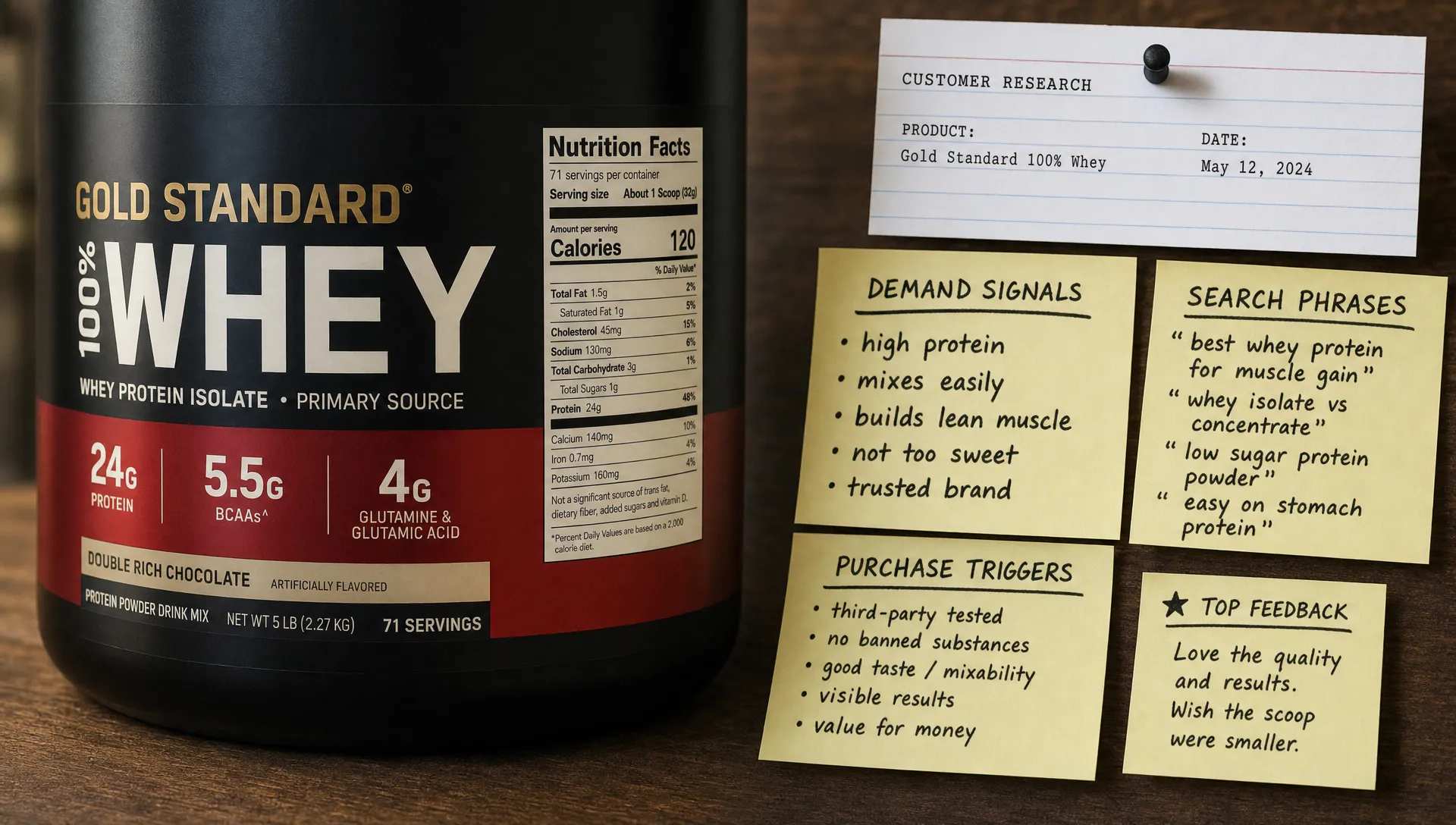
Second, the agency should define the buyer insight. A sports nutrition brand targeting serious lifters needs different content than a wellness brand targeting busy professionals who want easier daily habits. The creator, hook, script, and proof points should match the buyer’s level of awareness.
Third, the agency should turn the insight into a brief. The brief should include the desired angle, must-have product details, claims guidance, usage rights, visual direction, and examples of what the final asset should accomplish.
This is similar to any performance-focused positioning exercise. Clarity changes how a person or product is evaluated, whether the goal is selling a product or presenting professional value through recruiter-led profile optimisation. In paid ads, clearer positioning helps creators communicate why the product matters in seconds.
Finally, the agency should edit for performance. Raw creator footage is only the starting point. Strong paid ad editing considers pacing, captions, pattern interrupts, scene order, product visibility, and the call to action. The final asset should feel native to the platform, but it still needs to sell.

What makes UGC especially useful for sports, fitness, and wellness brands
Sports, fitness, and wellness buyers often care about identity. They want products that help them become more disciplined, capable, healthy, competitive, confident, or consistent. That makes creator-led storytelling especially powerful.
A static product image can show what something is. UGC can show who it is for and why it fits their life.
For example, a recovery product can be positioned for marathoners, weekend warriors, new gym members, office workers with tight hips, or parents training after bedtime. Each group may care about a different problem, even if the product is the same.
A user generated content agency can help create audience-specific ad variations without forcing the brand to reinvent its entire campaign strategy. This is particularly useful for ecommerce brands with multiple customer segments, seasonal promotions, product bundles, or a growing catalog.
UGC also helps wellness brands navigate skepticism. Consumers have seen too many exaggerated claims. Creator-led content can be more effective when it focuses on routine, experience, and specific use cases rather than unrealistic promises. For products with regulated claims, a strong agency should keep content aligned with approved language and avoid unsupported before-and-after statements.
The best UGC formats for paid ads
Not every UGC format works for every product, but several formats tend to be useful starting points for D2C brands.
The problem-solution demo
This format opens with a recognizable frustration, then shows the product solving it. It works well when the product has a clear functional benefit, such as reducing friction, saving time, improving comfort, or making a routine easier.
For example, a creator might show how a poorly designed gym bag creates clutter, then demonstrate how a better layout keeps shoes, clothes, and accessories separated.
The routine integration video
This format shows the product inside a daily habit. It is especially useful for supplements, wellness products, fitness accessories, skincare, recovery tools, and apparel.
The key is specificity. A generic morning routine is forgettable. A creator showing how they prepare for a 6 a.m. strength session, pack recovery essentials, or stay consistent while traveling feels more useful and believable.
The objection-handling ad
Many paid ads fail because they ignore the buyer’s hesitation. UGC can address objections directly, such as price, taste, fit, durability, ease of use, shipping concerns, or whether the product is right for beginners.
A creator might say they were skeptical about paying more for a premium yoga mat, then explain the grip, cushioning, and durability that changed their mind. The ad works because it enters the buyer’s internal conversation.
The comparison ad
Comparison ads can be powerful when handled carefully. The creator can compare the product to a common alternative, the old way of doing things, or a category misconception. This is useful when a brand needs to explain differentiation quickly.
For paid social, the best comparison ads are visual. Show the difference. Do not just claim it.
How UGC affects the full funnel
The most obvious use for UGC is paid social creative, but its impact can extend beyond the ad itself.
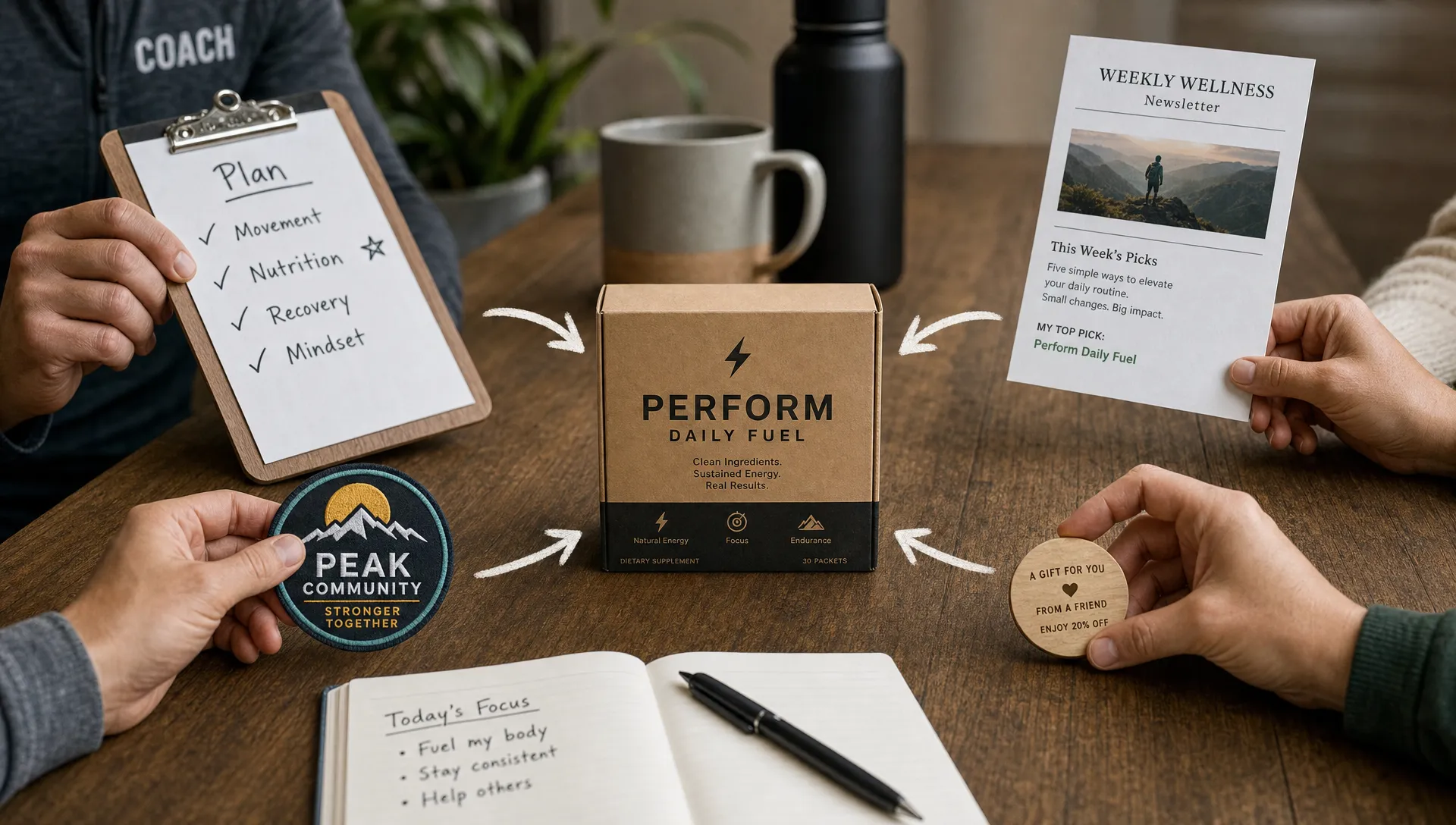
Winning UGC hooks can become landing page headlines. Creator testimonials can support product pages. Objection-handling clips can be repurposed in email flows. Short demonstrations can improve retargeting. Customer language from UGC testing can influence SEO content and product education.
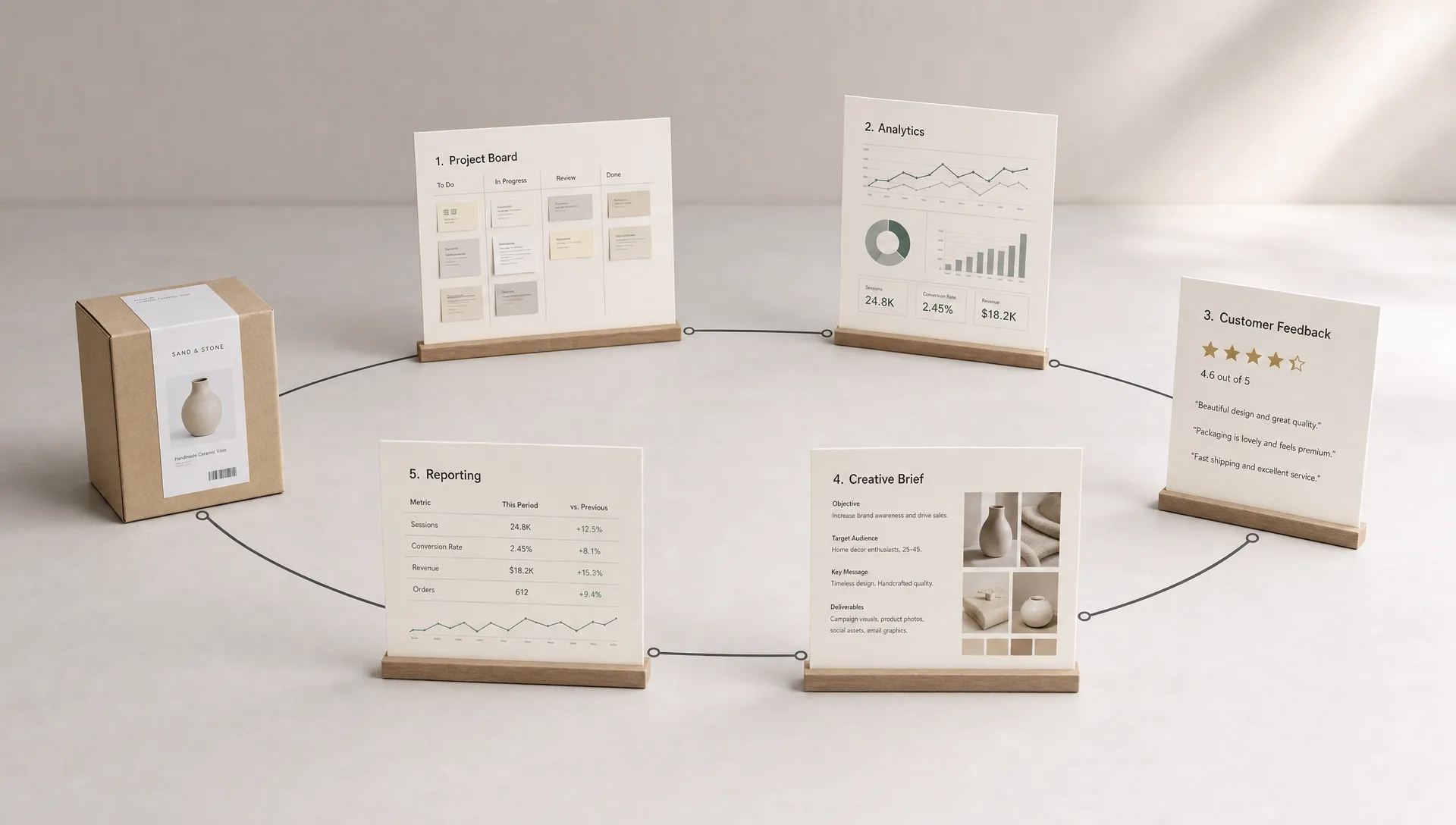
That is why UGC should not sit in a silo. It works best when connected to acquisition strategy, conversion rate optimization, email marketing, and reporting. For ecommerce brands trying to scale, paid media performance is rarely solved by one channel alone. OPTYO’s article on how an ecommerce marketing agency can scale revenue covers how these growth levers work together.
When UGC is integrated across the funnel, the brand gets more value from each asset. A video that fails as a cold acquisition ad might still work as a retargeting ad. A testimonial that is too slow for TikTok might become strong product page proof. A creator explanation that does not drive immediate purchases might reduce support questions or improve email engagement.
Metrics that matter when testing UGC ads
A UGC agency should not measure success only by how nice the content looks or how many creators were sourced. For paid ads, creative should be evaluated against business outcomes and diagnostic metrics.
Useful metrics include thumb-stop rate, hook retention, average watch time, click-through rate, landing page view rate, conversion rate, cost per acquisition, return on ad spend, blended customer acquisition cost, and contribution to overall revenue efficiency.
No single metric tells the whole story. A video can have a strong hook but weak conversion because the message attracts curiosity without purchase intent. Another video might have a lower click-through rate but stronger conversion because it pre-qualifies the right buyer.
The goal is to understand what each asset teaches you. Does the audience respond to performance claims, lifestyle identity, price justification, product demonstration, or customer proof? Those insights should inform the next round of creative.
If customer acquisition is the priority, UGC should be evaluated in the context of the full acquisition model. OPTYO’s guide to how a paid social agency improves customer acquisition goes deeper into how creative, offers, audiences, landing pages, and economics connect.
Common mistakes brands make with UGC
The first mistake is treating UGC as cheap content rather than strategic creative. Low-cost creator videos can be useful, but only if they are guided by clear positioning and edited for paid performance.
The second mistake is over-scripting. If a creator sounds like they are reading brand copy word for word, the asset loses the authenticity that makes UGC valuable. The brief should guide the message, but the delivery should still feel natural.
The third mistake is ignoring usage rights. Brands should be clear about where the content can be used, how long it can run, whether it can be edited, and whether the creator’s likeness can appear in paid ads. This protects both the brand and the creator relationship.
The fourth mistake is testing too few variations. One UGC video is not a strategy. A strong program needs enough variation to learn which hooks, formats, creators, and messages produce profitable customer acquisition.
The fifth mistake is disconnecting UGC from the landing page. If the ad promises one thing and the product page emphasizes something else, the buyer’s momentum breaks. The strongest campaigns keep the ad, offer, and post-click experience aligned.
Should you hire a UGC agency or build it in-house?
Some brands can start UGC in-house, especially if they have a small product catalog, a clear brand voice, and a founder or team member who is comfortable producing content. In-house UGC can be fast, affordable, and useful for early learning.
A user generated content agency becomes more valuable when the brand needs consistent volume, creator diversity, structured testing, paid media alignment, or stronger editing. If your ad account is showing creative fatigue, if costs rise whenever you scale spend, or if your team lacks the bandwidth to manage creators and iterations, agency support can accelerate the process.
The right partner should understand both content and performance. A creator marketplace may help you source videos. A performance-focused agency should help you decide what to test, how to structure the briefs, how to evaluate results, and how to turn learnings into the next creative cycle.
For sports, fitness, and wellness entrepreneurs, that combination matters. The creative needs to feel human, but the strategy needs to be commercial.
Frequently Asked Questions
What does a user generated content agency do for paid ads? A user generated content agency helps brands plan, source, produce, edit, and test creator-style content for paid advertising. The goal is to create believable ads that improve attention, trust, click-through rate, and conversion.
Is UGC better than influencer marketing? UGC and influencer marketing serve different purposes. Influencer marketing relies on a creator’s audience, while UGC for paid ads relies on the content’s ability to perform when promoted through ad platforms. Many ecommerce brands use both.
How many UGC ads should a brand test? There is no universal number, but brands should test enough variations to learn from different hooks, angles, creators, and formats. One or two videos rarely provide enough insight to guide a scalable paid ads strategy.
Can UGC work for premium sports or wellness brands? Yes, if the content is authentic without feeling careless. Premium brands should use creators, visuals, and editing standards that match the product’s positioning while still keeping the message relatable.
How quickly can UGC improve paid ad performance? UGC can create useful signals quickly, but lasting improvement comes from repeated testing. The first round helps identify promising angles, while later rounds refine the hooks, proof points, offers, and landing page alignment.
Turn UGC into a stronger paid ads engine
A user generated content agency can make paid ads more effective by giving platforms better creative inputs and giving buyers more believable reasons to act. The strongest UGC is not random. It is rooted in customer insight, edited for performance, and connected to the full ecommerce growth system.
For sports, fitness, and wellness brands, that means showing products in real routines, answering real objections, and testing creative with the same discipline used for media buying. When UGC becomes part of a structured growth strategy, paid ads stop relying on guesswork and start producing clearer learning cycles.