.png)



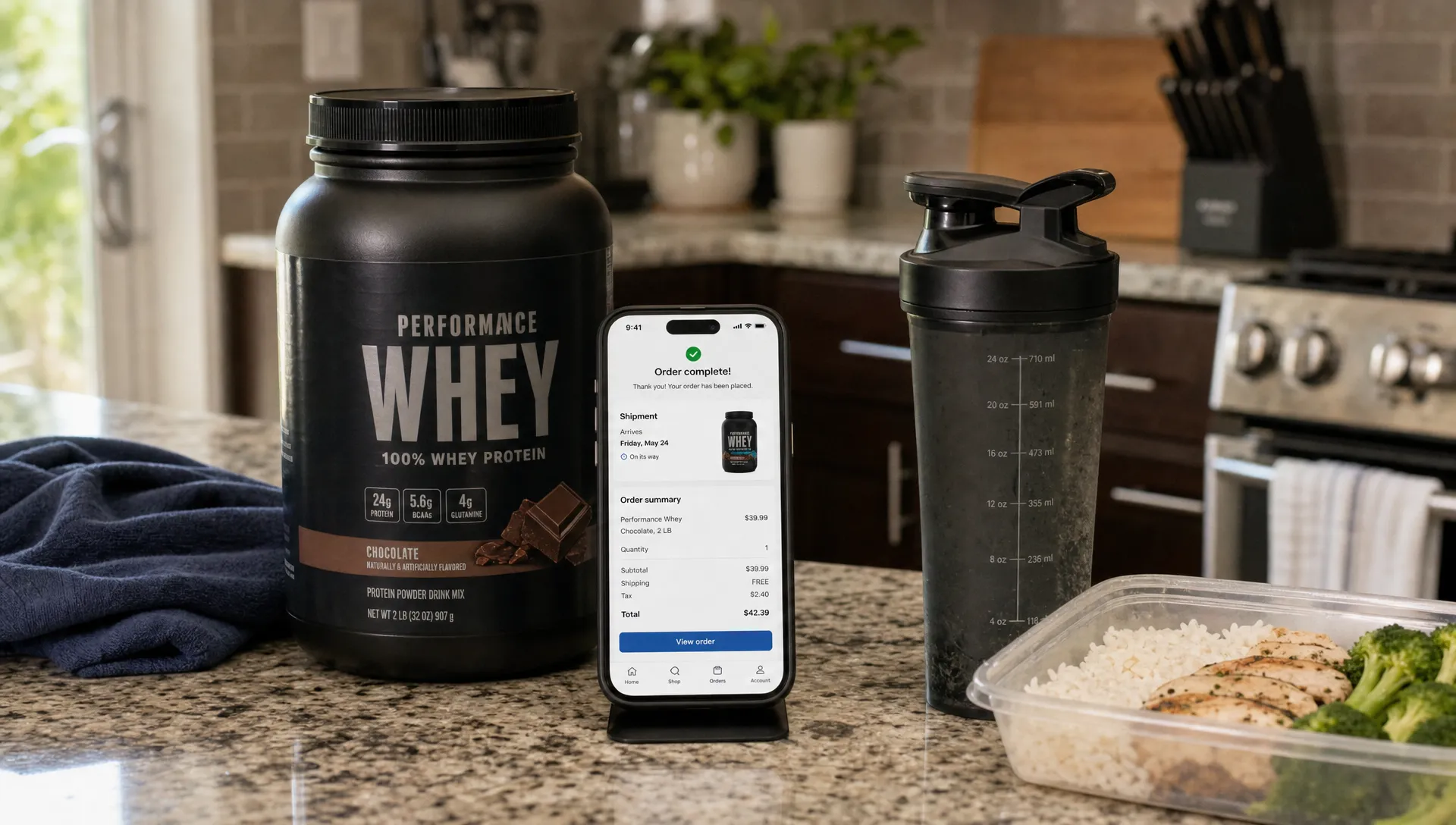
Advertising is not a maturity badge. It is a growth tool that either sharpens a working business model or exposes a weak one faster. Ecommerce brands should pay for advertising when their margins, offer, website experience and follow-up systems can convert paid attention into profitable customers, not simply because organic growth feels slow.
For founders in sports, fitness, wellness and CPG, the timing matters because paid traffic compresses learning cycles. A $2,000 test can reveal which audience, promise and product angle deserves more energy. The same $2,000 can also disappear quickly if tracking is broken, the product page is unclear or the brand has not proven that people actually want the offer.
When ecommerce brands should pay for advertising
The simplest answer is this: ecommerce brands should pay for advertising when they have enough proof to buy more demand without guessing about every core variable. You do not need a perfect brand, a giant email list or a huge creative team. You do need a product people buy, a margin structure that can support acquisition and a path to measure what happened after the click.
Paid media works best as an amplifier. If your current store converts cold visitors at a reasonable rate, your customers leave strong reviews and your reorder or upsell potential is clear, ads can help you scale those signals. If those pieces are missing, ads may still be useful for research, but the goal should be learning rather than immediate profit.
| Readiness area | What you want to see before scaling | Why it matters |
|---|---|---|
| Product demand | Organic sales, repeat customers, waitlists or strong preorders | Shows the market wants the offer |
| Unit economics | Clear gross margin, shipping costs and fulfillment costs | Prevents growth that loses money |
| Conversion path | Fast site, clear product pages and low-friction checkout | Turns paid clicks into revenue |
| Tracking | Reliable attribution, pixel setup and order reporting | Helps you know what to fix |
| Creative | Multiple angles, formats and hooks to test | Gives platforms enough input to find buyers |
Start with unit economics before you buy traffic
Before you pay for advertising, calculate what you can afford to spend to acquire one customer. Many founders look at ROAS first, but ROAS can be misleading if the product has low margins, high shipping costs or frequent returns. A 3x ROAS may be great for one brand and unprofitable for another.
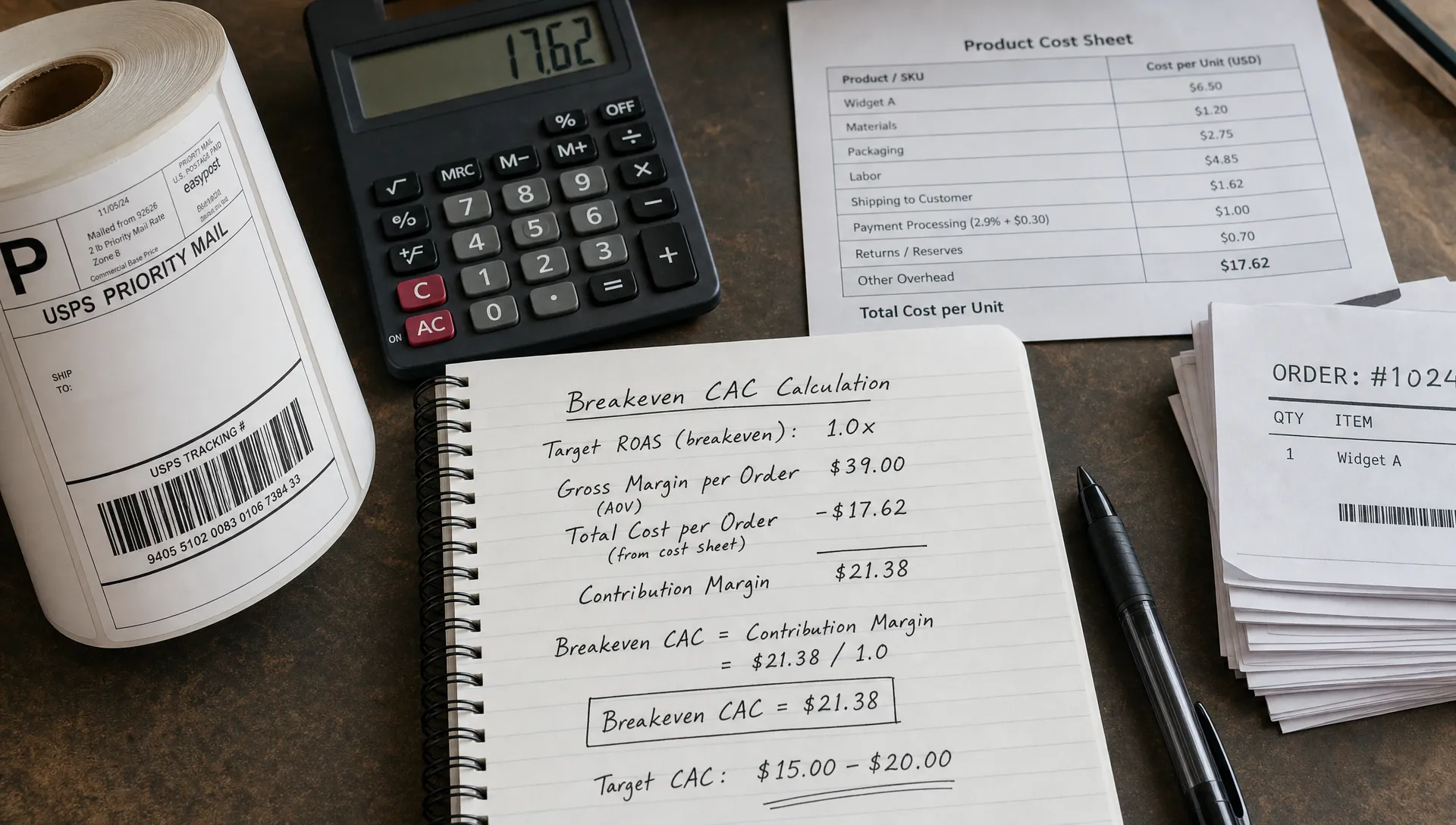
The more useful starting point is contribution margin. That means revenue left after variable costs such as product cost, payment processing, packaging, shipping, fulfillment and discounts. Once you know that number, you can define a breakeven customer acquisition cost.
| Metric | Basic formula | What it tells you |
|---|---|---|
| Gross margin | Revenue minus cost of goods sold | How much room the product has before fulfillment and ads |
| Contribution margin | Revenue minus all variable costs | What is left to cover ads and overhead |
| Breakeven CAC | Contribution margin per first order | The most you can spend to acquire a customer on the first purchase |
| Payback period | Time needed to recover acquisition cost | Whether cash flow can support scaling |
| LTV | Average value of a customer over time | Whether repeat purchases can justify higher CAC |
For example, a supplement brand with strong reorder behavior may be able to tolerate a higher first-purchase CAC than a one-time equipment brand. A premium fitness accessory with a 70 percent gross margin may have more flexibility than a refrigerated wellness product with expensive fulfillment. The decision is not whether ads work in general. It is whether ads work for your economics.
Know your breakeven CAC
A founder should pay for advertising only after knowing the difference between a target CAC and a maximum CAC. Your target CAC is where growth is healthy. Your maximum CAC is the point where the first order no longer contributes profit, unless you are intentionally investing for lifetime value.
This does not mean every campaign must be profitable on day one. New creative tests, new channels and new products often need controlled experimentation. The key is knowing what kind of loss is acceptable, how long you can carry it and what signal would justify continued spend.
Readiness signals that ads can accelerate growth
A brand is usually ready to pay for advertising when it has a repeatable sales story. That story may come from organic social, influencer partnerships, wholesale feedback, email launches or direct customer conversations. The source matters less than the pattern: a specific customer understands the promise and buys without heavy explanation.
Look for these readiness signals before you increase daily budgets:
- Customers can describe the product benefit in plain language.
- Reviews mention the same outcomes your ads would promise.
- Your top product page has a clear headline, strong visuals and visible proof.
- Email or SMS follow-up recovers abandoned carts and welcomes new buyers.
- You have at least a few creative angles to test, not one static ad.
- Inventory and fulfillment can handle a spike in orders.
These signals are especially important in performance categories like athletic recovery, hydration, functional foods, training gear and wellness products. Buyers often compare claims, ingredients, materials and reviews before purchasing. Paid traffic can bring them to the store, but the store still has to earn trust.
Ads should not carry the whole brand
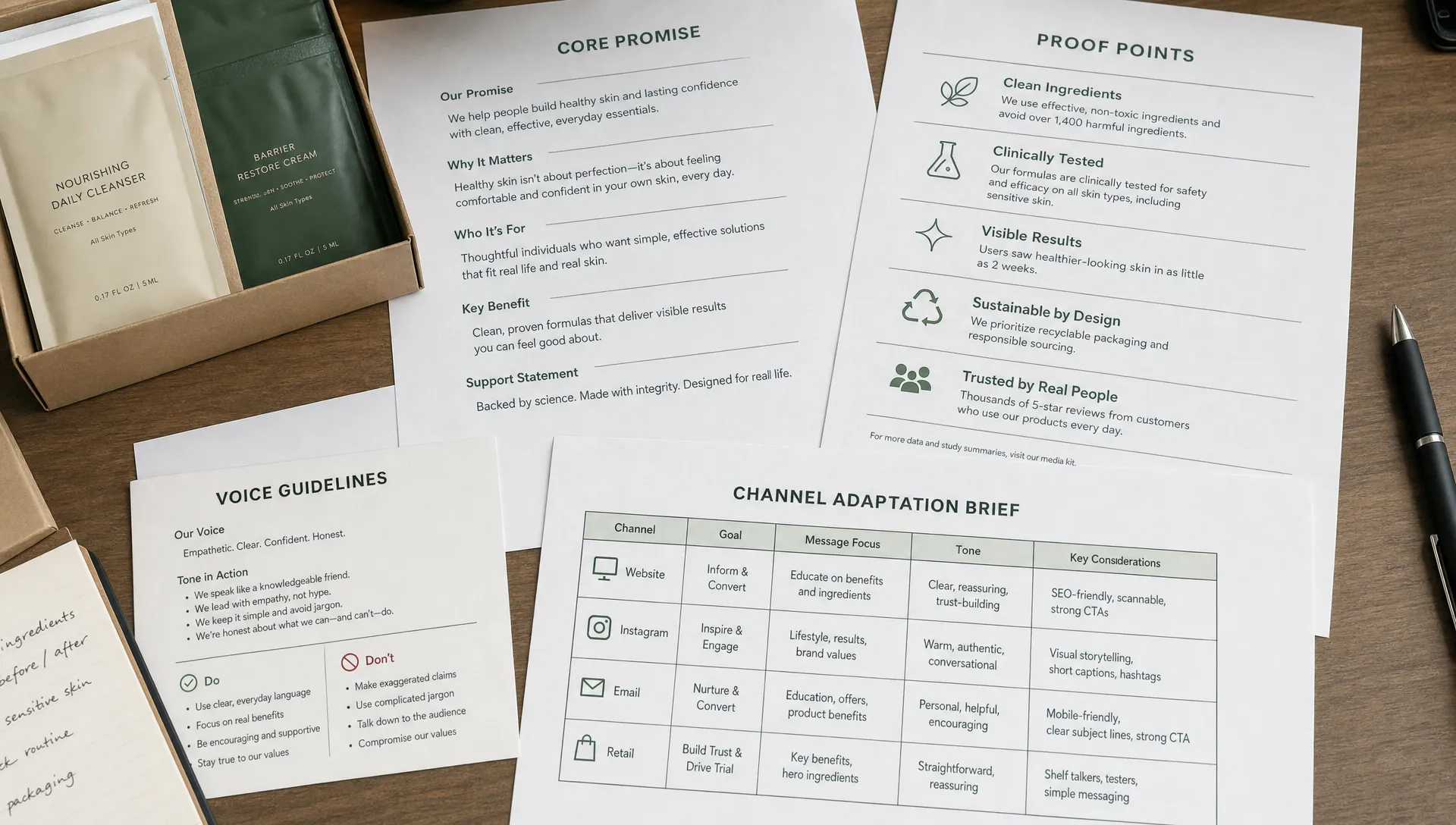
Advertising can introduce people to your product, but it cannot permanently compensate for weak positioning. If your brand promise sounds like every competitor, your ads will likely depend on discounts, urgency or platform targeting to perform. That may work briefly, but it rarely creates durable growth.
A stronger approach is to connect paid campaigns with a broader growth system. OPTYO has covered this in more detail in its guide to how advertising in marketing supports brand growth, which explains why ads perform better when they reinforce positioning, retention and customer education.
When paid ads are premature
There are times when a brand should not pay for advertising at scale yet. This does not mean the business is bad. It means paid media may not be the highest-leverage next move.
If customers need a long explanation before they understand the product, improve the offer page first. If most sales come only from deep discounts, review pricing, perceived value and merchandising. If the site has slow load times, unclear shipping policies or weak mobile checkout, fix the buying experience before sending expensive traffic into it.
| Warning sign | Better next move |
|---|---|
| Low conversion rate across all traffic | Improve product pages, checkout and site speed |
| No clear best-selling offer | Test bundles, pricing and merchandising with existing traffic |
| Unclear customer persona | Interview buyers and analyze reviews, support tickets and comments |
| Thin creative library | Produce more product demos, UGC-style videos and comparison assets |
| Poor retention | Strengthen email, subscriptions, replenishment reminders or post-purchase education |
Small ad tests can still be useful during this stage. A founder might spend modestly to test messaging, collect retargeting audiences or validate a landing page. The mistake is treating those tests like a scale campaign before the fundamentals are ready.

Choose channels based on intent, not popularity
Once you are ready to pay for advertising, channel selection should follow the customer journey. A running nutrition brand, a gym equipment company and a wellness beverage startup may all use paid media, but they should not use the same mix in the same way.
Google Search and Shopping are often strongest when shoppers already know what they want. Meta, TikTok and YouTube can create demand by showing the product in use, making them useful for education, demonstration and social proof. Retargeting helps bring back visitors who were interested but not ready to buy. Amazon ads may make sense if the marketplace is a major purchase destination for your category.
Paid social is a creative testing engine
Paid social is rarely just an audience-targeting game now. Platforms need varied creative inputs to learn what resonates. For ecommerce brands, that means testing hooks, product demonstrations, founder stories, customer proof, comparison angles and problem-solution formats.
A sports recovery brand might test ads around soreness, sleep quality, training consistency and competition prep. A wellness beverage might test taste, ingredients, morning routine and social occasion. The winning angle is often more specific than the founder expected.
Search captures existing demand
Search ads work best when there is clear purchase intent. If people are already searching for your product category, branded alternatives or problem-specific solutions, search can capture shoppers who are closer to buying. The downside is that search may be limited by demand volume, especially for new categories.
For founders comparing options, OPTYO's pay-per-click advertising agency checklist for ecommerce is useful because it focuses on unit economics, tracking and account structure rather than surface-level campaign activity.
B2B, wholesale and retail outreach need a different lens
Some ecommerce and CPG brands use paid media not only for D2C sales but also to reach retailers, distributors, corporate buyers or wholesale partners. Those campaigns should be judged differently because the sales cycle, buyer value and channel costs are different.
For example, a premium wellness brand targeting retail decision-makers may find that paid social awareness, direct outreach and account-based campaigns work better together than any single channel alone. This comparison of LinkedIn ads versus direct mail for B2B brands is a helpful reminder that CAC has to be evaluated by channel, audience and deal value.
Creative quality decides whether spend compounds
The decision to pay for advertising is also a decision to feed the creative machine. Strong ecommerce ads usually do at least one of four things: demonstrate the product, dramatize the problem, make the benefit easy to remember or reduce buying anxiety.
Creative does not need to look expensive to work. In many sports, fitness and wellness categories, practical proof often outperforms polished brand films. A clear demo, a believable customer testimonial or a founder explaining the product can outperform studio assets if it answers the buyer's real question.
Still, brand consistency matters. If every ad looks like it belongs to a different company, the brand becomes harder to remember. Distinctive colors, product framing, messaging patterns and buying situations help paid impressions accumulate over time. For a deeper look at this connection, see OPTYO's article on branding and advertising that make ecommerce more memorable.
How much should you spend at each stage?
There is no universal first ad budget, but there is a practical way to think about spend. The earlier the brand, the more the budget should buy learning. The more proven the brand, the more the budget should buy scale.
| Stage | Primary goal | Budget posture | What to watch |
|---|---|---|---|
| Pre-launch or early launch | Test interest and messaging | Small controlled tests | Click-through rate, signups, comments and survey responses |
| First consistent sales | Identify profitable angles | Moderate testing budget | CAC, conversion rate, AOV and creative performance |
| Product-market traction | Scale winning campaigns | Larger budget with guardrails | MER, contribution margin and payback period |
| Multi-channel growth | Diversify acquisition | Portfolio approach | New customer revenue, retention and channel incrementality |
A founder should pay for advertising differently at each stage. Early spend should answer questions such as who cares, which promise gets attention and which landing page converts. Later spend should answer whether the brand can scale without margin erosion, creative fatigue or operational strain.
Measure more than platform ROAS
Platform ROAS is useful, but it should not be the only scorecard when you pay for advertising. Attribution windows, privacy changes, delayed purchases and cross-channel exposure can all distort what a platform reports. A Meta campaign may influence a branded search purchase. A search campaign may get credit for demand created by TikTok or influencer content.
Use a broader reporting view that connects advertising to business outcomes. MER, or marketing efficiency ratio, compares total revenue to total marketing spend. Contribution margin shows whether revenue is profitable after variable costs. New customer revenue helps separate acquisition from repeat buyer demand.
A simple weekly scorecard can include:
- Total revenue and new customer revenue
- Total ad spend and blended CAC
- Contribution margin after ad spend
- Conversion rate by landing page
- Top and bottom creative assets
- Email capture rate and abandoned cart recovery
- Inventory constraints or fulfillment issues
This kind of reporting makes advertising decisions less emotional. If spend rises and contribution margin stays healthy, scaling may be justified. If spend rises but new customer revenue stalls, the brand may be over-retargeting, exhausting creative or reaching the wrong audience.
A practical decision framework
Before you increase budgets, ask five questions. First, do we know our breakeven CAC? Second, is the website ready to convert mobile shoppers? Third, do we have enough creative to test? Fourth, can our team fulfill orders without hurting the customer experience? Fifth, do we have a retention plan after the first purchase?
If the answer to most of these questions is yes, it may be time to pay for advertising with a structured test. Start with a clear hypothesis, define your budget limit, run the test long enough to gather signal and review results against contribution margin rather than vanity metrics.
If the answer is no, focus on the bottleneck first. Improve the offer, sharpen the product page, interview customers, build email flows or produce creative. Paid media will still be there when the business is better prepared to turn attention into profitable growth.
Frequently Asked Questions
Should a new ecommerce brand pay for ads right away? A new brand can run small tests right away, but it should not scale spend until the offer, website and economics are clear. Early ads are best used to test demand, messaging and landing pages.
What is the biggest mistake brands make with paid advertising? The biggest mistake is treating ads as the strategy instead of the amplifier. If positioning, margins, conversion and retention are weak, paid traffic usually exposes those weaknesses quickly.
How do I know if my ad spend is profitable? Compare customer acquisition cost to contribution margin, not just revenue. A campaign is healthier when it brings in new customers at a cost the business can recover through the first order or expected lifetime value.
Which channel should ecommerce brands start with? Start where buyer intent and creative fit are strongest. Search can work well for existing demand, while paid social is often better for demonstrating products, testing angles and creating demand.
Ready to scale with more confidence?
Knowing when to pay for advertising is not about chasing a perfect moment. It is about having enough clarity to invest with discipline. When margins, messaging, creative and reporting are aligned, paid media can help ecommerce brands grow faster without losing control of the business.
OPTYO helps sports, fitness, wellness and CPG brands connect performance marketing with brand strategy, creative production, ecommerce development, conversion optimization and growth consulting. If your team is ready to scale paid acquisition with sharper economics and stronger execution, visit OPTYO to learn more.