.png)


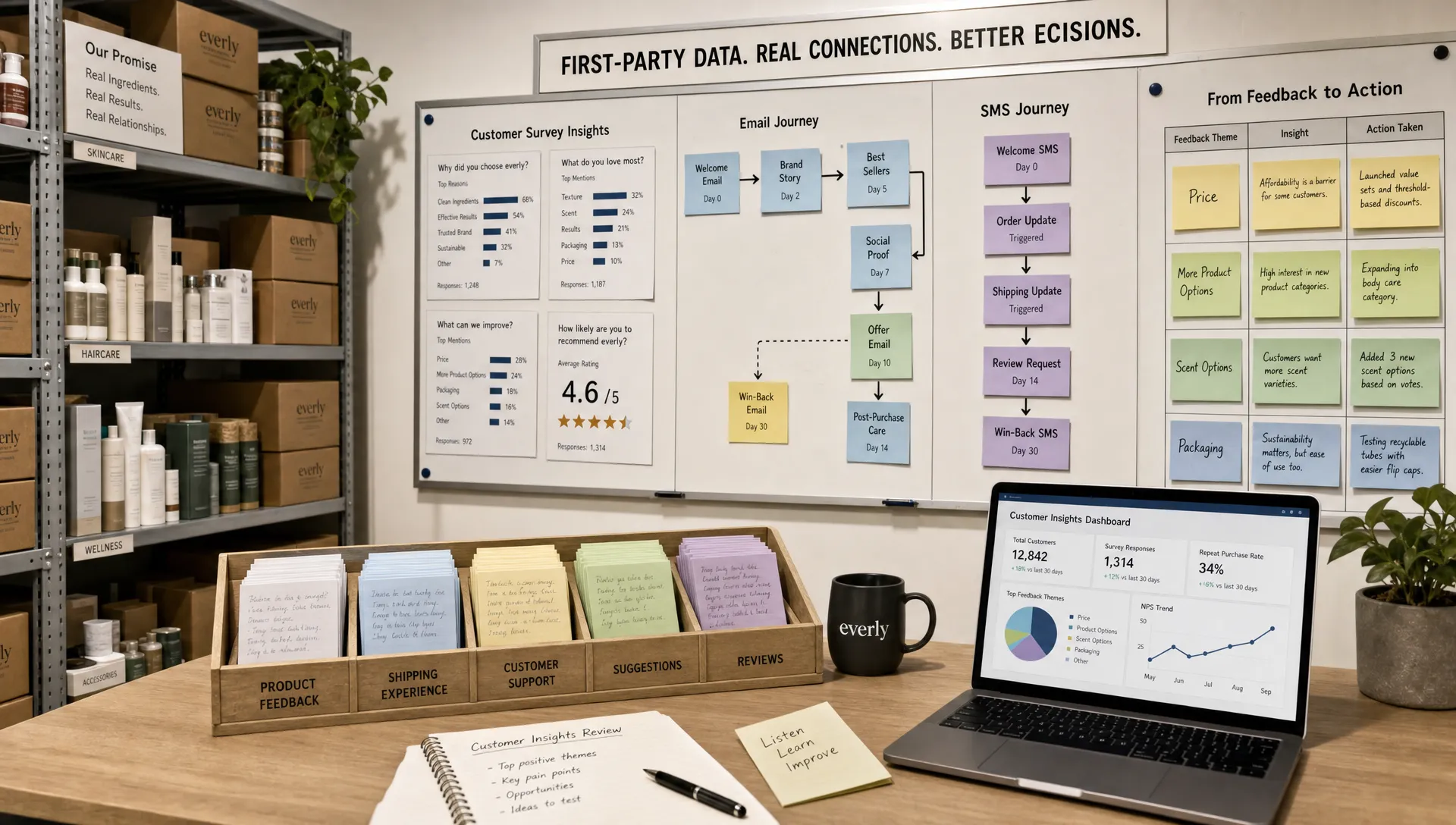

First-party data has moved from a nice-to-have marketing asset to a core growth requirement. For direct-to-consumer brands, the customer relationship is the business model. If that relationship is filtered entirely through ad platforms, marketplaces and last-click dashboards, the brand is giving away too much leverage.
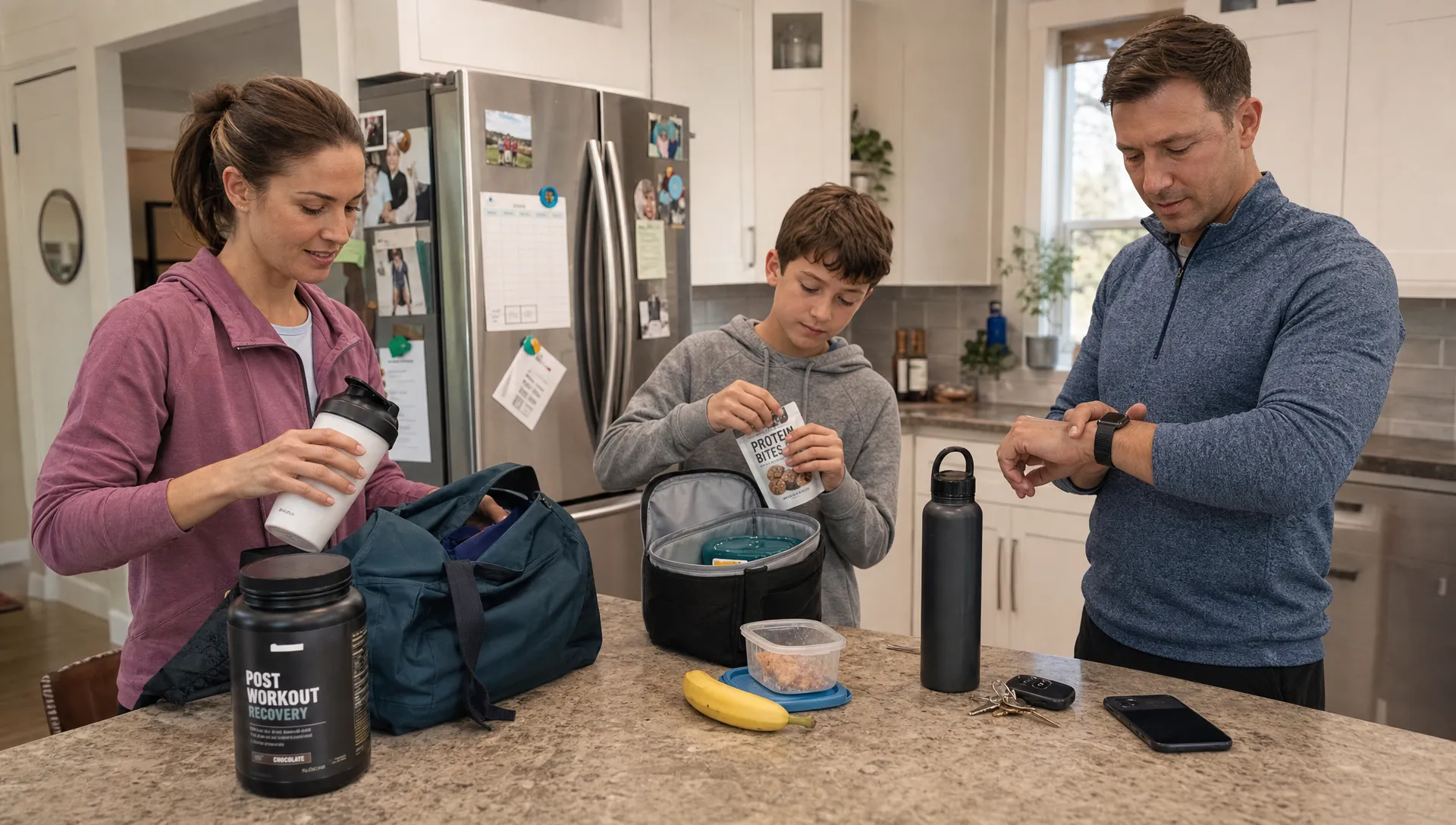
D2C brands in sports, fitness and wellness feel this pressure more than most. Customers do not buy only a product. They buy a goal, a routine, an identity and often a repeatable outcome. A runner choosing recovery tools, a parent buying clean snacks or an athlete subscribing to supplements all carry different motivations, objections and timing. Better first-party data helps you understand those differences before you spend more on acquisition.
The goal is not to collect every possible field. The goal is to build a data system that helps you make better decisions across paid media, creative, ecommerce, email, retention and product development.
Why first-party data is now a growth constraint
D2C growth used to lean heavily on platform signals. Brands could launch campaigns, find lookalike audiences, read platform-reported ROAS and scale quickly if the economics worked. That playbook still matters, but it is less reliable than it once was.
Privacy changes, browser restrictions, attribution gaps and rising media costs have made borrowed data weaker. Ad platforms still optimize, but they do not give brands a complete picture of who is buying, why they bought or what will make them buy again. The more a brand depends on platform-reported performance alone, the harder it becomes to understand whether growth is truly profitable.
First-party data gives D2C brands a clearer operating system. It helps answer questions such as which customer segments are most valuable, which creative angles attract high-quality buyers, what objections stop conversion and when customers are ready for a replenishment, upgrade or cross-sell.
That matters because growth is rarely blocked by one channel. A brand might think it has a paid social problem when the real issue is poor offer clarity. It might blame email revenue when the root cause is weak post-purchase education. It might chase lower CAC without realizing that some cheap acquisition segments have poor repeat purchase behavior.
Better data does not remove uncertainty. It reduces expensive guessing.
What first-party data actually means for D2C brands
First-party data is information a brand collects directly from its customers, site visitors, subscribers and buyers. It can come from purchases, quizzes, surveys, email behavior, SMS engagement, customer support, reviews, subscriptions, loyalty programs, website events and in-store or event activations.
Zero-party data is closely related. It refers to information customers intentionally share, such as goals, preferences, product interests or shopping intent. For many sports, fitness and wellness brands, zero-party data can be especially valuable because customer context changes the way a product should be marketed.
| Data source | What it reveals | How D2C brands can use it |
|---|---|---|
| Purchase history | Products bought, order value, bundle behavior and repeat timing | Build replenishment flows, forecast demand and identify high-value cohorts |
| Website behavior | Pages viewed, quizzes completed, carts started and products compared | Improve landing pages, product education and conversion rate optimization |
| Email and SMS engagement | Topics, offers and content customers respond to | Segment campaigns and avoid sending the same message to everyone |
| Post-purchase surveys | Purchase motivation, discovery channel and objections | Improve creative testing, attribution and positioning |
| Customer support | Friction points, product confusion and delivery issues | Reduce churn, improve FAQs and fix conversion barriers |
| Reviews and UGC | Customer language, use cases and perceived outcomes | Sharpen ad creative, product pages and social proof |
| Subscription data | Skip reasons, churn timing and reorder patterns | Improve retention offers, education and customer lifecycle messaging |
The value is not in the database itself. The value is in connecting those signals to decisions.
The real issue is not more data, it is better questions
Many D2C brands collect data by accident. They have a Shopify store, an email platform, ad accounts, analytics tools, customer service software and maybe a post-purchase survey. Each tool holds useful signals, but the data often sits in separate places. Teams then look at dashboards without a clear decision in mind.
Better first-party data starts with sharper questions. A sports nutrition brand does not only need to know that someone bought protein powder. It needs to know whether that buyer is training for performance, managing weight, replacing meals, building a routine or trying the product for the first time. Those contexts should change the ad creative, product education, email sequence and subscription timing.
A fitness equipment brand does not only need to know that a customer purchased resistance bands. It should know whether the buyer is recovering from injury, building a home gym, traveling often or adding accessories to an existing training setup. Each use case creates different content needs and different upsell paths.
Useful first-party data usually answers one of these questions:
- Who is this customer and what goal are they trying to achieve?
- What problem, objection or trigger led them to consider the product?
- Which channel, message or offer brought them in?
- What product or category are they most likely to buy next?
- What needs to happen for them to buy again, subscribe or refer someone?
If a data point does not help answer a decision-making question, it may not be worth collecting yet.
First-party data should connect the full funnel
The strongest D2C brands do not treat first-party data as an email tactic. They use it across the entire customer journey. That aligns with the broader need for full-funnel thinking for direct-to-consumer brands, where demand creation, conversion and retention work as one system instead of isolated channel tactics.
Demand creation
At the top of the funnel, first-party data helps brands understand which messages attract the right customers. A high-click ad is not always a good ad if it brings low-intent traffic or first-time buyers who never return. Survey data, cohort quality and post-purchase feedback can reveal which hooks bring in customers with stronger lifetime value.
For example, a wellness brand may find that discount-led ads generate lower CAC but weaker repeat purchase, while routine-based education brings fewer immediate conversions but stronger subscription adoption. Without first-party data, both campaigns might be judged only by short-term ROAS.
Conversion
On-site behavior and customer intent data help improve ecommerce performance. If visitors are comparing ingredients, looking for sizing guidance or abandoning at shipping, those signals should influence page design, FAQ placement, product bundles and checkout messaging.
This is especially important for categories where trust drives conversion. Supplements, recovery products, functional foods and wellness tools often require more education than impulse-driven products. First-party data shows where customers need reassurance before they buy.
Retention
Retention is where first-party data becomes a margin lever. Purchase timing, product usage, subscription behavior and support tickets can help brands send the right message at the right moment. A replenishment reminder should not feel random. A cross-sell should reflect the customer’s original goal. A win-back offer should respond to the reason someone lapsed.
For consumable CPG products, first-party data can also improve forecasting. If customers usually reorder every 28 days but start slipping to 45 days, the issue may be product usage, price sensitivity, subscription friction or competitive switching.
Product and operations
Customer data should not stop with marketing. Reviews, returns, support questions and fulfillment feedback can expose product and operational issues that affect growth. A brand may be acquiring the right customers but losing repeat purchase because delivery is unreliable, packaging creates confusion or customers do not understand how to use the product.
For temperature-sensitive wellness, food or beverage brands, operational quality can become part of customer experience data. Delivery timing, packaging performance and cold-chain reliability all influence repeat purchase, which is why some brands need to evaluate partners ranging from 3PLs to custom refrigerated van conversion providers when fulfillment quality affects customer trust.
The first-party data D2C brands should prioritize
A useful first-party data model does not need to be complex at the start. It needs to be clean, actionable and tied to the customer journey. Most growing D2C brands should prioritize seven data categories before chasing advanced personalization.
| Data category | Why it matters | Example use |
|---|---|---|
| Identity and consent | Confirms who can be contacted and through which channel | Email, SMS and retargeting audiences |
| Customer intent | Explains the goal behind the purchase | Goal-based welcome flows and product education |
| Acquisition source | Shows how customers discovered the brand | Creative testing and budget allocation |
| Product affinity | Identifies categories, flavors, sizes or formats customers prefer | Bundles, cross-sells and replenishment flows |
| Transaction economics | Tracks AOV, gross margin, discounts and payback | Profitability analysis by cohort |
| Lifecycle status | Separates prospects, first-time buyers, repeat buyers and lapsed customers | Segmented campaigns and retention offers |
| Feedback signals | Captures reviews, support issues and survey responses | Product page improvements and objection handling |
The most important principle is consistency. If one survey asks “What is your fitness goal?” and another asks “Why did you buy?” with unrelated answer choices, the data becomes harder to use. Standardized fields make it easier to compare cohorts over time.

How to collect first-party data without hurting conversion
Customers will share useful information when the value exchange is clear. They are less willing to complete long forms that feel like work. The best D2C data collection feels helpful, not extractive.
A quiz can help customers choose the right product. A preference center can reduce irrelevant emails. A post-purchase survey can be short enough to answer in under 30 seconds. A replenishment reminder can save the customer from running out. In each case, the customer gets something in return.
Progressive profiling also matters. You do not need to ask every question before the first purchase. Ask for the minimum information needed to reduce friction and improve relevance, then learn more through later interactions. A first-time visitor might share a goal. A buyer might share what almost stopped them from purchasing. A repeat customer might share usage frequency or flavor preferences.
Brands should also collect data at moments when customers are most willing to respond. Immediately after purchase, many customers are open to answering how they found the brand. After delivery, they can comment on packaging, speed or product clarity. After repeated use, they can share outcomes, objections or routine fit.
Turn data into segments that change what you do
Segmentation only matters if it changes a decision. A segment that sits in a dashboard but does not influence creative, offers, retention or site experience is just decoration.
Strong segments usually combine behavior with intent. “Bought once” is useful. “Bought once, chose recovery as their goal, purchased through an education-led ad and has not reordered after 35 days” is far more useful. That customer may need usage guidance or a replenishment reminder, not a generic discount.
| Segment | Trigger | Better action |
|---|---|---|
| High-intent prospect | Completed quiz and viewed product page twice | Send product education, reviews and offer reassurance |
| First-time buyer | Purchased one product in a core category | Send onboarding content tied to the product goal |
| Subscription candidate | Reordered a consumable product within expected usage window | Promote subscription convenience and routine benefits |
| At-risk customer | Expected reorder window passed with no purchase | Send helpful reminder, objection-handling content or tailored offer |
| High-value advocate | Multiple purchases, strong review or referral behavior | Invite UGC, referral participation or early product access |
Segmentation should also tie into measurement. Cohorts can reveal whether a creative angle produces repeat buyers, whether discounts lower customer quality or whether certain bundles increase second-purchase rates. If your team needs a clearer measurement framework, OPTYO’s guide to data-driven marketing metrics every D2C brand should track outlines the numbers that help separate growth from noise.
Privacy and trust are part of the strategy
First-party data only works when customers trust the brand collecting it. That means consent, transparency and restraint are not legal footnotes. They are part of the customer experience.
D2C brands should explain why they are asking for information and how it improves the experience. They should avoid collecting sensitive data they do not need, especially in health-adjacent wellness categories. They should also make preference management simple, honor opt-outs and keep customer data secure.
A practical privacy standard is simple: collect what you can use, use what you collect and remove what no longer serves a clear purpose. More data creates more responsibility. It can also create more internal confusion if the team does not have a plan for maintaining quality.
This is one reason first-party data should not live only with the media buyer or the email manager. Brand, creative, ecommerce, retention, product and leadership teams all need shared definitions. If everyone defines “new customer,” “repeat customer,” “subscriber” or “high value” differently, reporting loses credibility.
What better first-party data changes in paid media
Paid media does not become less important when first-party data improves. It becomes smarter.
Better data can sharpen creative briefs. Instead of testing random hooks, brands can test messages based on actual purchase motivations, objections and use cases. A sports supplement brand might learn that customers care less about abstract performance claims and more about digestibility, routine fit or trusted ingredient sourcing. That insight should change the ad, landing page and post-purchase education.
Better data can also improve audience quality. Customer lists, value-based segments and lifecycle exclusions can help prevent waste, especially when brands are running campaigns across paid social, search, email and retargeting. Even when platform targeting is broad, the brand’s own data can guide creative direction and budget decisions.
Most importantly, first-party data helps teams evaluate paid media beyond platform ROAS. If one campaign generates lower first-purchase ROAS but higher repeat purchase, stronger AOV or faster payback, it may deserve more investment than the dashboard suggests. Without first-party data, those decisions are easy to miss.
A practical 30-60-90 day plan
D2C brands do not need a massive data transformation to start improving. A focused 90-day plan can create momentum quickly.
| Timeframe | Objective | Actions | Output |
|---|---|---|---|
| First 30 days | Audit and clean the basics | Map data sources, review consent, define core lifecycle stages and identify tracking gaps | A simple first-party data inventory and shared definitions |
| Days 31 to 60 | Capture better intent signals | Add or refine post-purchase surveys, preference centers, quiz fields and support tagging | More useful customer context for creative, CRO and retention |
| Days 61 to 90 | Turn insights into tests | Build priority segments, update email flows, test landing page changes and brief new creative angles | A repeatable testing loop tied to first-party insights |
The key is to avoid treating this as a one-time setup. First-party data gets more valuable as the team builds habits around it. Review customer feedback monthly. Compare cohorts by acquisition angle. Feed survey language into creative. Use support issues to improve product pages. Look at retention by customer goal, not only by SKU.
Frequently Asked Questions
What is first-party data for direct-to-consumer brands? First-party data is information a D2C brand collects directly from its customers, subscribers and site visitors. It includes purchase history, website behavior, email engagement, survey answers, reviews, support tickets and subscription activity.
Why do direct-to-consumer brands need better first-party data now? Platform attribution is less reliable, acquisition costs are harder to control and customer expectations are higher. Better first-party data helps brands understand who is buying, why they buy and what will make them return.
Is first-party data only useful for email marketing? No. Email is one use case, but first-party data also improves paid media, creative testing, landing pages, CRO, retention, product development and forecasting.
What is the easiest first-party data source to start with? A short post-purchase survey is often the fastest starting point. It can reveal how customers discovered the brand, why they bought and what almost stopped them from purchasing.
How should D2C brands protect customer trust when collecting data? Ask only for data you can use, explain the value exchange, get proper consent, make preferences easy to manage and avoid collecting sensitive information without a clear need.
Build a growth system around better data
First-party data is not a software project. It is a growth discipline. The brands that use it well can make better creative decisions, improve conversion, retain more customers and understand which acquisition channels are actually building enterprise value.
For sports, fitness and wellness brands, that discipline is especially powerful because customer context matters so much. Goals, routines, product usage and trust signals all shape the path to purchase.
If your team needs help connecting performance marketing, ecommerce development, CRO, email, SEO, creative and KPI reporting into one data-informed growth system, OPTYO helps D2C brands turn better insights into better execution.